· Todd Martin · Jewelry & Watch Care · 21 min read
How To Clean Gold Watch
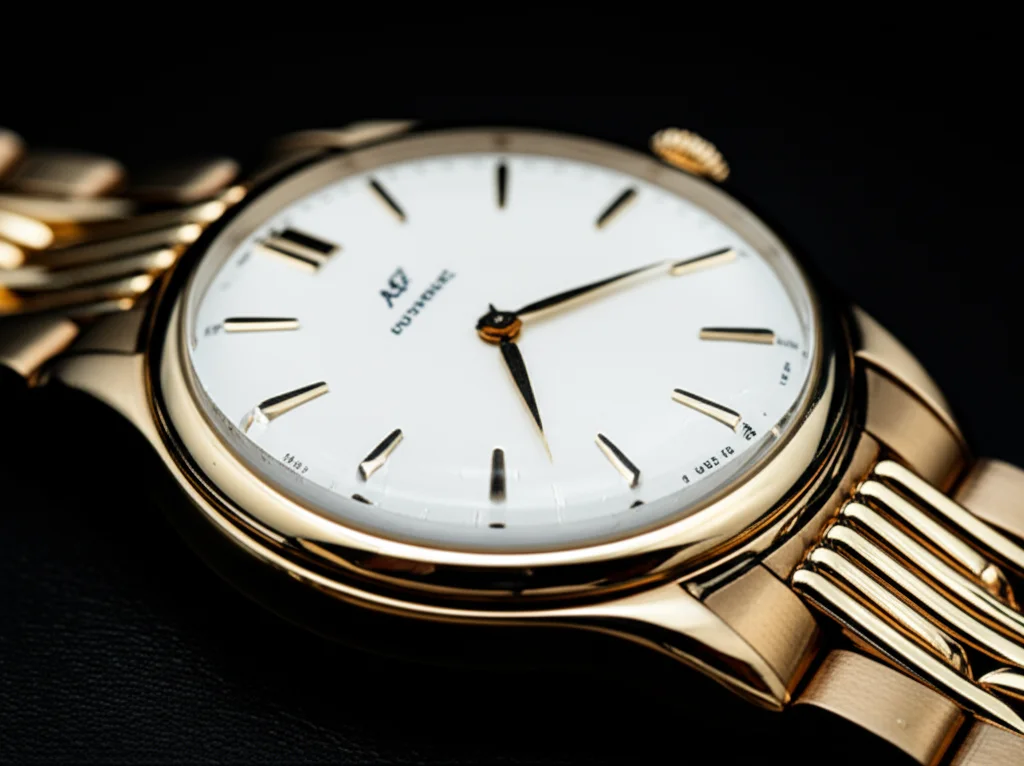
How to Clean Your Gold Watch: A Comprehensive Guide
A gold watch is more than just a timepiece; it is an investment and a cherished accessory. Over time, daily wear, sweat, dirt, and lotions can dull its brilliant shine. Knowing how to clean gold watch properly is essential for maintaining its beauty and value. Proper cleaning prevents grime buildup and preserves the integrity of both the gold and its delicate internal mechanisms.
This guide provides a detailed approach to keeping your gold timepiece in pristine condition. We will explore the necessary tools, a step-by-step cleaning process for various parts of the watch, and crucial tips for long-term maintenance. You will learn specific methods for different types of gold and watch bands. This information helps you safely restore your watch’s original luster.
Takeaway
To clean your gold watch safely and effectively:
- Always check your watch’s water resistance before cleaning.
- Use mild soap, warm water, and soft cleaning tools.
- Separate the watch case from the band if possible, or clean them meticulously.
- Gently scrub with a soft brush and polish with a lint-free cloth.
- Avoid harsh chemicals or abrasive materials.
To clean a gold watch, use a soft, damp cloth with a small amount of mild, non-abrasive soap. Gently wipe down the gold surfaces, avoiding the watch’s internal mechanisms and water-sensitive areas. Rinse with distilled water and dry thoroughly with a soft, lint-free cloth. Always check the watch’s water resistance before applying any moisture.
Understanding Your Gold Watch Before Cleaning
Before you begin to clean gold watch, it is important to understand its specific characteristics. Gold watches come in various purities and types. They also feature different band materials. Knowing these details helps you choose the safest and most effective cleaning methods. Using the wrong approach can damage your valuable timepiece.
Different Types of Gold and Their Impact on Cleaning
Gold purity is measured in karats. Pure gold is 24 karats. Most gold watches are 18K (75% gold), 14K (58.3% gold), or 10K (41.7% gold). Lower karat gold contains more alloy metals. These alloys can react differently to cleaning agents or tarnish more easily. White gold, for example, is often plated with rhodium. This plating can wear off and require re-plating over time. Rose gold gets its color from copper alloys. These nuances matter for proper care. If you want to know how to clean white gold or how to clean rose gold, it often requires slightly different considerations than pure yellow gold. Always use gentle methods for any gold type.
You may also have a gold-plated watch. Gold-plated items have a thin layer of gold over a base metal. This layer is very delicate. Cleaning a gold-plated watch requires extreme care to avoid rubbing off the gold layer. Harsh scrubbing or abrasive cleaners can easily damage the plating. Gentle wiping is usually the best approach. If you have a gold-plated chain, you can learn more about its specific care. how to clean gold plated chain. This knowledge ensures you treat your specific watch appropriately.
Water Resistance and Watch Movement Considerations
The water resistance rating of your watch is critical. Many modern gold watches have some degree of water resistance, but this varies widely. Check the watch’s manual or case back for its ATM (atmospheres) or meter rating. A watch rated 3 ATM (30 meters) is splash-resistant but not suitable for submersion. A 10 ATM (100 meters) watch can withstand swimming. Never submerge a watch unless you are certain of its water resistance.
If your watch is not water-resistant, avoid getting any liquid near the crown, pushers, or case back. Moisture can seep into the movement and cause severe damage. For non-water-resistant watches, use a barely damp cloth. Wipe only the external gold surfaces. Always consult a professional watchmaker if you are unsure about your watch’s water resistance. They can test it for you. This step protects the delicate internal components of your watch.
Watch Band Materials and Specific Cleaning Needs
Gold watches often feature various band materials. Each material requires a different cleaning approach.
- Metal Bands (Gold, Stainless Steel, etc.): Solid gold bracelets can be cleaned with the same gentle solutions used for the case. Bracelets made of other metals, like stainless steel, also benefit from similar care. For detailed guidance on metal watch bands, refer to how to clean metal watch band. If you have a stainless steel watch, specific cleaning tips for it can be found at how to clean stainless steel watch. Ensure clasps and links are free of debris.
- Leather Bands: Leather straps should never be submerged in water. Water can dry out, crack, or stain the leather. Use a slightly damp cloth to wipe the surface. You can apply a tiny amount of mild leather cleaner or conditioner. Let it air dry away from direct sunlight. To learn more about cleaning leather watch straps, visit how to clean leather watch strap.
- Fabric/Nylon Bands: These bands can often be gently hand-washed with mild soap and water. Remove them from the watch first. Let them air dry completely before reattaching. For detailed steps on nylon bands, see [how to clean nylon watch band](https://homeessentialsguide.com/how to-clean-nylon-watch-band).
- Rubber/Silicone Bands: These are generally durable and can be washed with mild soap and water. Wipe them down and rinse thoroughly. They are quite resilient to moisture.
Understanding these material differences prevents accidental damage during cleaning. Always clean the band separately from the watch case if possible. This ensures both components receive appropriate care.
Essential Tools and Supplies for Gold Watch Cleaning
Gathering the right tools and supplies makes the cleaning process safe and effective. Using incorrect items can scratch your gold or damage the watch’s delicate parts. Avoid abrasive materials at all costs. This section outlines everything you will need for a successful cleaning session.
Gentle Cleaning Solutions
You do not need harsh chemicals to clean gold. In fact, many common household cleaners can damage gold or its alloys. Use a very mild, pH-neutral soap. Dish soap that is free of harsh detergents, perfumes, and dyes works well. A small drop is usually enough for a basin of water.
Alternatively, you can use a specialized jewelry cleaning solution designed for gold. Make sure it is explicitly stated as safe for gold and does not contain ammonia or other aggressive ingredients. Ammonia can damage certain alloys, especially in white gold, or affect delicate gemstones if your watch has them. For general gold cleaning, consider methods similar to how to clean gold jewelry. This ensures you use the safest options.
Soft Brushes and Cloths
The type of brush you use is very important. You need something soft enough not to scratch the gold, but firm enough to dislodge dirt.
- Soft-bristled toothbrush: A baby toothbrush or a very soft adult toothbrush is ideal. Ensure it has never been used for dental hygiene, as it could transfer residues. Its small bristles can reach into tiny crevices and between watch links.
- Microfiber cloths: These cloths are excellent for cleaning and polishing. They are lint-free and extremely soft. Have at least two on hand: one for cleaning and one for drying and buffing.
- Jewelry polishing cloth: These cloths often contain a mild polishing compound. Use them for a final buff to restore shine. Make sure it is safe for gold.
Other Important Supplies
- Small bowls or containers: You will need two or three small, clean bowls. One for your cleaning solution, one for rinsing, and perhaps one for disassembling small parts.
- Distilled water: Tap water can leave mineral deposits, especially if you live in an area with hard water. Distilled water ensures a spotless, residue-free rinse. This is important for preventing water spots.
- Cotton swabs or cotton balls: These are useful for precise cleaning in small, hard-to-reach areas, like around the crown or pushers. They absorb moisture well.
- Air blower (optional): A small, hand-held air blower (like those used for camera lenses) can help remove excess water from crevices without scratching. Do not use compressed air cans, as their force can damage delicate parts.
- Magnifying glass (optional): A magnifying glass can help you spot hidden dirt and ensure thorough cleaning. It allows you to inspect the watch closely.
By gathering these items, you prepare for a safe and effective cleaning. You protect your valuable gold watch throughout the process. This meticulous preparation prevents potential damage.
Step-by-Step Guide: Cleaning the Gold Watch Case and Dial
Cleaning the main gold parts of your watch requires precision and care. This process aims to remove dirt and grime without damaging the finish or internal components. Always work in a well-lit area. Place a soft cloth or towel under your workspace. This prevents scratches if you accidentally drop the watch.
Preparing the Watch for Cleaning
First, determine if you can remove the watch band. Some bands have quick-release pins or screws. Removing the band allows you to clean the case and band separately and more thoroughly. If the band is not removable, you will need to be extra careful not to get the band too wet, especially if it is leather.
Assess your watch’s water resistance. If it is highly water-resistant (10 ATM/100 meters or more), you can proceed with gentle rinsing. If it has low water resistance (3-5 ATM/30-50 meters) or no water resistance, use only a damp cloth. Never submerge a watch with unknown or low water resistance. Ensure the crown is pushed in and secured tightly.
Gentle Cleaning of the Gold Case and Bezel
- Prepare the cleaning solution: Fill a small bowl with warm (not hot) distilled water. Add one or two drops of mild, pH-neutral dish soap. Stir gently to mix.
- Dampen the cloth: Dip a microfiber cloth into the soapy water. Wring it out thoroughly so it is damp, not dripping wet.
- Wipe the surfaces: Gently wipe down the entire gold watch case, bezel, and case back. Use light, circular motions. Pay attention to areas where dirt often accumulates, like around the lugs and pushers.
- Use a soft brush for crevices: For stubborn dirt in engravings, between lugs, or around the crown, lightly dampen a soft-bristled toothbrush in the soapy water. Gently brush these areas. Be very careful not to press too hard or scratch the gold. The bristles should barely touch the surface.
- Clean the crystal: Use a clean, damp microfiber cloth to wipe the watch crystal. If there are smudges, a tiny amount of glass cleaner (non-ammonia-based) can be used on the cloth, then wipe the crystal. Never spray cleaner directly onto the watch.
This gentle approach is crucial for preserving the gold’s finish. For general gold jewelry cleaning tips, you can explore resources like how to clean gold jewelry with baking soda or how to clean gold jewelry with toothpaste, but exercise extreme caution with these methods on watches. Baking soda can be abrasive, and toothpaste is almost always too abrasive for delicate gold watch surfaces and especially the crystal. Stick to the mild soap and water method for watches.
Rinsing and Drying for a Spotless Finish
- Rinse: Fill a second clean bowl with plain distilled water. Dip a clean microfiber cloth into the distilled water and wring it out well. Gently wipe down all the soapy areas of the watch case to remove any soap residue. Change the rinse water if it becomes cloudy. For highly water-resistant watches, you can quickly rinse the case under a very gentle stream of distilled water, being careful not to let water near the crown unless it is tightly secured.
- Pat dry: Use a dry, clean, lint-free microfiber cloth to gently pat the watch case completely dry. Do not rub vigorously.
- Air dry: Let the watch air dry for a few minutes in a clean, dust-free area. Ensure no moisture remains in crevices. Use an air blower if you have one.
- Buff: Once completely dry, use a clean, dry jewelry polishing cloth to buff the gold surfaces. This step restores the watch’s shine and removes any remaining smudges or water spots.
Regular, gentle cleaning prevents dirt buildup and keeps your gold watch looking its best. This careful process ensures no harm comes to the intricate parts of your timepiece.
Cleaning Different Gold Watch Band Types
The watch band often collects more dirt, sweat, and oils than the watch case itself. Its material dictates the cleaning method. Treating each band type appropriately is crucial for its longevity and appearance.
Cleaning Metal Gold Watch Bands
Metal gold watch bands, whether solid gold or gold-plated, can accumulate grime in their links and clasps.
- Detach the band: If possible, carefully remove the metal band from the watch case. This protects the watch head from excess moisture. You can find general guidance on how to clean a watch band here: how to clean watch band.
- Soak (if water-resistant): For solid gold bands and highly water-resistant watches, you can soak the detached band in a bowl of warm, soapy distilled water for 5-10 minutes. This helps loosen stubborn dirt. For gold-plated bands, avoid soaking; instead, use a damp cloth.
- Brush: Use a soft-bristled toothbrush to gently scrub between the links and around the clasp. Focus on areas where dirt tends to build up. Be thorough but gentle to avoid scratching the gold. For more specific advice on metal bands, refer to how to clean metal watch band.
- Rinse: Rinse the band thoroughly under a slow stream of cool distilled water or in a clean bowl of distilled water. Make sure all soap residue is gone.
- Dry: Pat the band completely dry with a lint-free microfiber cloth. Allow it to air dry fully on a clean towel before reattaching it to the watch. Ensure all moisture is gone from the links to prevent water spots or rust on pins.
Cleaning Leather Watch Straps
Leather straps require a very different approach. Water and harsh chemicals can damage leather.
- Remove the strap: Always remove the leather strap from the watch case before cleaning.
- Wipe the surface: Dampen a clean microfiber cloth with plain water (not soapy water). Wring it out extremely well so it is barely damp. Gently wipe the surface of the leather strap to remove surface dirt and oils.
- Spot clean: For stubborn spots, use a tiny amount of mild leather cleaner applied to a separate cloth, then gently wipe the spot. Avoid saturating the leather. Do not use strong soaps or alcohol.
- Condition (optional): After cleaning and drying, you can apply a small amount of leather conditioner. This helps keep the leather supple and prevents cracking. Apply it with a soft cloth and buff gently.
- Air dry: Let the leather strap air dry completely. Do not place it in direct sunlight or use a hairdryer, as this can cause the leather to dry out and crack. For more details on caring for leather straps, see how to clean leather watch strap.
Cleaning Fabric and Rubber/Silicone Watch Bands
These materials are generally more resilient but still require gentle care.
Fabric/Nylon Bands:
- Remove: Take the fabric band off the watch.
- Wash: Hand-wash the band in a bowl of warm, soapy water using a mild soap. You can gently rub the fabric together or use a soft brush.
- Rinse: Rinse thoroughly under cool running water until no soap remains.
- Dry: Pat dry with a towel and then allow it to air dry completely. Ensure it is bone-dry before reattaching. For nylon bands, specifically, how to clean nylon watch band provides additional tips.
Rubber/Silicone Bands:
- Remove: Detach the silicone or rubber band.
- Wash: Wash with warm water and a small amount of mild soap. You can use your fingers or a soft cloth.
- Rinse: Rinse thoroughly to remove all soap.
- Dry: Wipe dry with a clean cloth. These bands dry quickly.
Cleaning watch bands separately protects your watch and ensures each material receives its appropriate care. This helps extend the life and appearance of your entire timepiece.
Dealing with Specific Issues: Tarnish, Scratches, and Deep Cleaning
Even with regular cleaning, your gold watch might develop specific issues over time. Tarnish can dull its shine, and scratches can mar its surface. Sometimes, a more thorough cleaning is needed. Addressing these problems correctly helps restore your watch’s original beauty.
Removing Tarnish from Gold Watches
Gold is resistant to tarnish. However, gold alloys (especially in 10K or 14K gold) contain other metals like copper or silver that can oxidize. This oxidation creates a dark, dull film. Sweat, chemicals, and air pollution can accelerate this process. If your gold has turned black, it usually means the alloy is tarnishing. See how to clean gold that has turned black for more details.
- Mild Tarnish: For light tarnish, follow the gentle cleaning steps outlined earlier using mild soap and water. A soft-bristled toothbrush can help dislodge some of the tarnish.
- Moderate Tarnish: If mild cleaning is not enough, you can try a specialized gold jewelry cleaning solution. Make sure it is ammonia-free and safe for watches. Dip a soft cloth in the solution and gently wipe the affected areas. Do not immerse the entire watch unless it is highly water-resistant and the solution is approved for watch use.
- Persistent Tarnish: For heavy or stubborn tarnish, it is best to consult a professional jeweler or watchmaker. They have access to specialized equipment, like ultrasonic cleaners, and safe chemical solutions. They can restore the luster without damaging your watch. Avoid using harsh abrasives or home remedies like baking soda directly on the watch case. While baking soda can clean tarnished gold jewelry, it is too abrasive for delicate watch surfaces and can leave micro-scratches. how to clean tarnished gold offers broader guidance.
Addressing Minor Scratches on Gold Surfaces
Gold is a soft metal, making it prone to minor scratches. Fine scratches are almost unavoidable with regular wear.
- Polishing Cloth: For very superficial scratches, a high-quality jewelry polishing cloth can sometimes help. These cloths often contain a mild polishing compound that can gently buff away tiny imperfections. Rub the cloth in small, circular motions. Always use light pressure.
- Professional Polishing: For deeper scratches or a watch with a brushed finish, professional intervention is necessary. A watchmaker or jeweler can expertly polish the gold. This process removes a tiny layer of metal. Excessive polishing can reduce the gold’s thickness. Therefore, it should be done sparingly. Do not attempt to use abrasive pastes or polishes meant for cars or other metals on your gold watch. These can cause irreversible damage.
When to Consider Professional Deep Cleaning
Sometimes, your gold watch needs more than a surface clean. This is especially true for watches that have been worn for many years without professional maintenance or those with intricate details.
- Internal Grime: Over time, dust, lint, and tiny debris can get into the watch’s movement. This can affect its accuracy and functionality.
- Water Damage: If your watch has been exposed to water beyond its resistance level, immediate professional attention is required. Water ingress can corrode the movement.
- Ultrasonic Cleaning: Jewelers and watchmakers often use ultrasonic cleaners. These devices use high-frequency sound waves to create tiny bubbles that dislodge dirt from intricate areas. This method is effective for metal parts. However, it is crucial that the watch is completely sealed and water-resistant for this process. It is also important that loose gemstones are secured. An unprofessional ultrasonic cleaning can damage the movement or loosen parts.
- Movement Servicing: A professional deep cleaning usually goes hand-in-hand with a movement service. This involves disassembling the watch, cleaning all internal components, lubricating them, and reassembling the watch. This service extends the watch’s life and ensures its accuracy. It is recommended every 3-5 years for most mechanical watches.
Choosing professional help for deep cleaning and servicing protects your investment. It ensures your gold watch remains beautiful and functions perfectly for many years.
Maintaining Your Gold Watch’s Luster: Best Practices
Regular cleaning is just one part of maintaining your gold watch. Implementing good habits for daily care, storage, and handling can significantly extend its life and preserve its radiant luster. These best practices protect your investment.
Daily Care Habits
Small daily actions make a big difference in preventing dirt buildup and damage.
- Wipe After Each Wear: After you wear your gold watch, use a soft, dry microfiber cloth to wipe it down. This simple step removes sweat, oils, and surface dust before they can dry and bond to the gold. This is like a quick refresh for your timepiece.
- Avoid Contact with Chemicals: Take off your watch before applying lotions, perfumes, hairspray, or cleaning products. These chemicals can tarnish gold, dull its finish, or damage watch bands. Chlorine, found in swimming pools, is particularly harmful to gold alloys. Remove your watch before swimming, especially in chlorinated water.
- Protect from Abrasions: Be mindful of your watch when performing activities that could cause scratches. Avoid direct contact with rough surfaces, metal, or other jewelry. For example, do not wear a gold watch next to a diamond bracelet, as diamonds can easily scratch gold.
- Handle with Care: Always handle your watch gently. Avoid dropping it or bumping it against hard surfaces. Such impacts can damage the movement, crystal, or case.
These daily habits minimize the need for frequent deep cleaning. They help keep your gold watch looking new.
Proper Storage Techniques
How you store your gold watch when not wearing it is just as important as how you clean it. Proper storage protects it from environmental damage and physical harm.
- Separate Storage: Store your gold watch separately from other jewelry items. Use a dedicated watch box, a soft pouch, or a watch winder. This prevents scratches from other hard objects.
- Cool, Dry Place: Store your watch in a cool, dry place. Extreme temperatures and humidity can affect the watch’s movement and even cause tarnishing. Avoid storing it in direct sunlight, which can fade certain materials over time.
- Watch Winder (for automatic watches): If you own an automatic gold watch and do not wear it daily, a watch winder keeps the movement wound. This prevents the lubricants from drying out and maintains the watch’s accuracy. A winder ensures your watch is always ready to wear.
Effective storage protects your watch from dust, moisture, and physical damage. This maintains both its appearance and its functionality.
When to Seek Professional Servicing
While home cleaning is important, it cannot replace professional servicing. A professional watchmaker provides essential maintenance that goes beyond surface cleaning.
- Regular Servicing Intervals: Most luxury watch brands recommend professional servicing every 3 to 5 years. This interval can vary depending on the watch’s movement type and how often it is worn.
- Movement Overhaul: During a service, the watchmaker disassembles the movement, cleans each tiny part, replaces worn components, lubricates the gears, and regulates the timing. This process is crucial for the watch’s accuracy and longevity.
- Water Resistance Re-sealing: Over time, the gaskets that provide water resistance can degrade. During a service, these gaskets are typically replaced. The watch’s water resistance is then re-tested. This ensures continued protection against moisture.
- Damage Assessment: A professional can identify and repair issues like deep scratches, dings, or internal damage that you might not notice. They can also advise on polishing the case or re-plating white gold if needed.
Regular professional servicing is an investment in your gold watch’s long-term health and value. Combining it with diligent home care ensures your timepiece remains a stunning and reliable accessory for generations.
What to Avoid When Cleaning Your Gold Watch
Cleaning a gold watch requires a delicate touch and the right products. Using incorrect methods or harsh materials can lead to irreversible damage. Knowing what to avoid is as important as knowing what to do. Protect your valuable timepiece by steering clear of these common mistakes.
Harsh Chemicals and Abrasive Cleaners
Many household cleaning products contain harsh chemicals that are detrimental to gold and watch components.
- Bleach and Chlorine: These chemicals are highly corrosive. They can cause gold to discolor or even break down its alloys, especially in lower karat gold. Never expose your gold watch to bleach, strong cleaners, or chlorinated swimming pools.
- Ammonia-Based Cleaners: While ammonia is found in some jewelry cleaners, it can be too strong for certain gold alloys, especially white gold (which often contains nickel) and rose gold (which contains copper). Ammonia can also damage soft gemstones if your watch has them. It can strip rhodium plating from white gold.
- Abrasive Pastes and Powders: Toothpaste, baking soda, and abrasive scrubbing powders are too harsh for gold watches. Even fine powders can cause micro-scratches on the gold surface and scratch the watch crystal. While baking soda is sometimes suggested for other gold items, like general gold jewelry, it is too risky for a watch. how to clean gold jewelry with baking soda may detail this for other items, but it is not recommended for watches. Similarly, avoid methods like how to clean gold jewelry with toothpaste on your watch.
- Rough Materials: Never use paper towels, tissues, or rough cloths to clean or dry your watch. These materials can scratch the gold or leave lint. Always opt for soft, lint-free microfiber cloths.
Using gentle, pH-neutral soap and distilled water is the safest and most effective method. This protects the gold, the crystal, and the delicate seals of your watch.
Ultrasonic Cleaners (Without Professional Guidance)
Ultrasonic cleaners use vibrations to dislodge dirt. They are very effective for cleaning intricate metal jewelry. However, using one on a gold watch without professional knowledge is risky.
- Water Resistance Risk: If your watch is not fully water-
- gold watch cleaning
- watch maintenance
- luxury watch care
- jewelry cleaning
- gold cleaning tips
- watch band care

Todd Martin
Senior Writer
With over 15 years of experience in home renovation and design, I started HEG to share what I’ve learned with homeowners who want to create spaces that are both beautiful and functional. I’ve always believed in a hands-on approach, and over the years, I’ve picked up practical solutions that actually work. Through HEG, I aim to make home improvement more approachable, sharing real tips that help you create a home you truly love.