
· Todd Martin · Kitchen Tips · 14 min read
How To Clean Berries With Vinegar
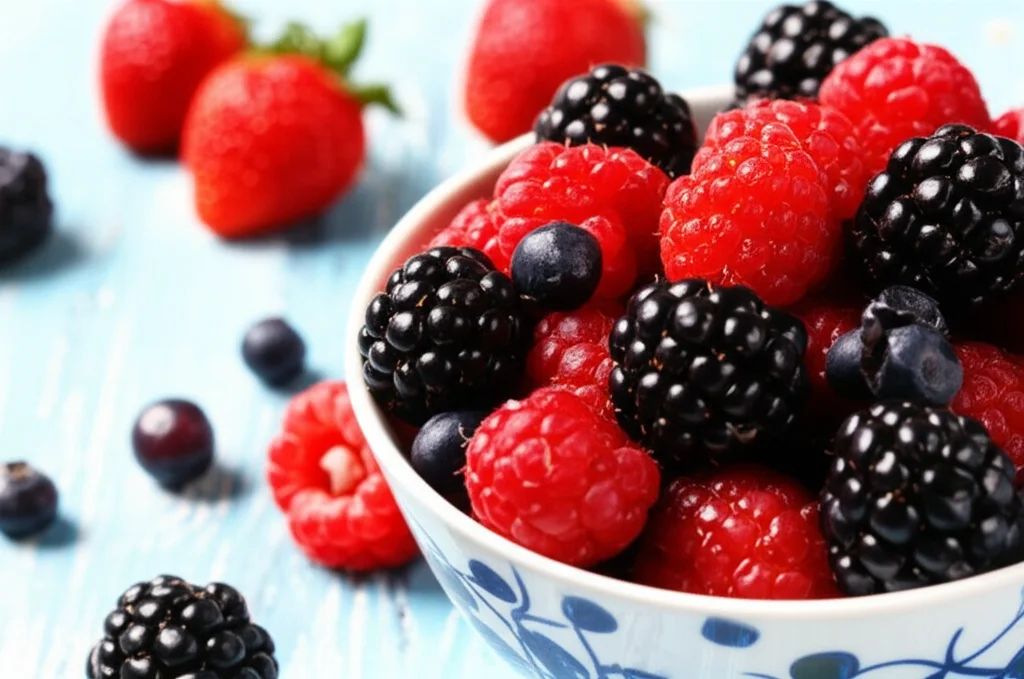
How To Clean Berries With Vinegar for Optimal Freshness
Have you ever wondered about the best way to clean your fresh berries? Many people simply rinse them under water. While this washes off some surface dirt, it often leaves behind pesticides, wax, and unseen microbes. Knowing how to clean berries with vinegar offers a superior solution. This natural approach effectively removes contaminants and can even help your berries stay fresh longer.
I want to share simple, proven methods that make your berries safe and delicious to eat. This guide will explain why vinegar works so well. You will learn the exact steps to wash different types of berries. We also cover the right vinegar-to-water ratio. You will get tips for drying and storing your clean fruit. Prepare to enjoy healthier, longer-lasting berries with ease.
Takeaway
- Vinegar wash removes pesticides and bacteria better than water alone.
- Use a 1:3 ratio of vinegar to water for an effective soak.
- Gently rinse and thoroughly dry berries to maintain freshness.
- Cleaning berries just before eating prevents spoilage.
How do I clean berries with vinegar?
You can effectively clean berries with vinegar by preparing a simple solution. Mix one part white vinegar with three parts water in a large bowl. Submerge your berries in this mixture for 5-10 minutes. Afterward, rinse them thoroughly under cool running water. Finally, gently pat the berries dry before storing or eating them.
Why Clean Berries with Vinegar Matters
Cleaning berries before you eat them is very important. Berries grow close to the ground. They often come into contact with soil, bugs, and other elements. Farmers also use pesticides to protect crops from pests. These chemicals can remain on the fruit’s skin. Simple water rinsing may not remove all these unwanted substances.
Vinegar offers a strong cleaning agent. Its acidic nature breaks down residues effectively. It also helps to kill bacteria and mold spores. This makes your berries safer to eat. It also helps them last longer in your refrigerator. I always feel better knowing my family eats thoroughly cleaned produce. This simple step protects our health.
Berries have delicate skins. They easily absorb things from their environment. This includes contaminants. Pests can also leave behind their droppings. Wild berries might have even more dirt or unseen elements. Cleaning them properly prevents you from consuming these unwanted additions. A vinegar wash is a gentle yet powerful way to ensure your berries are truly clean. It gives me peace of mind when serving fresh fruit.
This process is a cornerstone of good kitchen practice. It extends beyond just berries. Many types of produce benefit from a similar cleaning. Think about the journey your berries make from the farm to your table. They pass through many hands and environments. A good wash removes these traces. It prepares them for your enjoyment.
The Simple Vinegar Berry Wash Method
Cleaning berries with vinegar is easier than you think. You only need a few basic items. I find this method quick and effective every time. First, gather your berries, a large bowl, white vinegar, and cool water. You might also want a colander and paper towels or a clean cloth. Preparing your workstation makes the process smooth.
Here are the step-by-step instructions I use:
- Prepare the Vinegar Solution: Get a large bowl. Pour one part white vinegar into it. Then, add three parts cool water. For example, if you use one cup of vinegar, add three cups of water. This ratio is ideal for cleaning delicate berries. It is strong enough to clean but gentle enough not to harm the fruit.
- Submerge the Berries: Carefully place your berries into the vinegar and water solution. Make sure all the berries are completely covered. If you have many berries, you might need to clean them in batches. This prevents overcrowding and ensures each berry gets cleaned.
- Soak Time: Let the berries soak for about 5 to 10 minutes. Do not soak them for too long, as it could affect their texture or flavor. For very delicate berries like raspberries, I sometimes shorten the soak time to 5 minutes. This brief soak allows the vinegar to work its magic on any surface contaminants.
- Rinse Thoroughly: After soaking, drain the berries in a colander. Rinse them very well under cool running water. Move them around with your hands to ensure all traces of vinegar are gone. You want no vinegar smell or taste left. This step is crucial for flavor.
- Dry Gently: Transfer the rinsed berries onto a clean kitchen towel or several layers of paper towels. Gently pat them dry. Do not rub them roughly. Excess moisture leads to faster spoilage. Drying them properly helps them last longer.
This method also works for other fruits. You can also clean fruit with vinegar using a similar approach. I always recommend this technique for all soft, delicate produce. It is a simple habit that makes a big difference.
Choosing the Right Vinegar and Ratio
The type of vinegar you use matters for cleaning berries. White distilled vinegar is the best choice. It is clear and has a high acidity level. This acidity is what helps remove pesticides and bacteria. Other vinegars, like apple cider vinegar, can work. However, they might leave a slight flavor on your berries due to their distinct taste. I stick to white vinegar for a neutral finish.
Getting the right ratio of vinegar to water is crucial. I use a 1:3 ratio. This means one part vinegar to three parts water. For instance, if I use one cup of vinegar, I add three cups of water. This concentration is strong enough to be effective. It is also mild enough not to damage the delicate berries. Using too much vinegar might affect the berry’s taste. Using too little might not clean them properly.
This ratio provides a good balance. It allows the vinegar to sanitize and loosen dirt. The water dilutes it enough to prevent any lasting vinegar taste. I have found this ratio works perfectly for all berry types. This includes strawberries, blueberries, raspberries, and blackberries. It is a safe and reliable proportion.
Remember, the goal is to clean, not to pickle, your berries. The 1:3 ratio keeps your berries fresh and tasting natural. This balance is key to successful berry cleaning with vinegar. I always measure carefully to get it right. This small detail ensures the best results for your fruit.
Troubleshooting Common Berry Washing Issues
Sometimes, you might run into issues when washing berries. One common concern is berries becoming too soft. This usually happens if you soak them for too long. Delicate berries, like raspberries, are especially prone to this. I keep my soaking time to 5 minutes for these types. For firmer berries like blueberries, 10 minutes is fine. Always watch your berries during the soak.
Another issue is a lingering vinegar smell or taste. This means you did not rinse them enough. After the vinegar soak, rinse your berries very, very well. I place them in a colander under cool running water. I gently move them around with my hands. This ensures all traces of vinegar wash away. Keep rinsing until you can no longer smell the vinegar.
Berries can also go bad quickly after washing if they are not dried properly. Water left on the berries speeds up spoilage. After rinsing, spread them in a single layer on a clean towel. Gently pat them dry with another towel. You can also let them air dry for a short time. Make sure they are completely dry before storing them. This prevents mold growth.
Sometimes, despite cleaning, berries still look dull. This may be due to natural wax or leftover residue. A gentle rub with your fingers during the rinse can help. For stubborn spots, a second quick, diluted vinegar rinse might be needed. Then, rinse again thoroughly. These simple adjustments solve most washing problems. They help you get perfectly clean and fresh berries.
Storing Cleaned Berries for Freshness
Proper storage is key to making your cleaned berries last. After you wash berries with vinegar and rinse them, drying is the most important step. Any remaining moisture promotes mold growth. I spread my berries in a single layer on a clean kitchen towel. Then, I gently pat them with another towel until they are completely dry. This step takes patience but pays off.
Once dry, store your berries in a specific way. I use an airtight container. Line the bottom of the container with a paper towel. This absorbs any extra moisture. Then, place your dried berries in the container. Put another paper towel on top of the berries. Close the lid tightly. This method creates a buffer against humidity.
Keep these containers in your refrigerator. The cool temperature slows down spoilage. However, remember that even with proper cleaning and storage, berries do not last forever. They are best eaten within a few days. I find that berries cleaned with vinegar tend to last a bit longer than unwashed ones. This is because the vinegar kills mold spores.
Always store berries as whole fruits. Do not hull strawberries or remove stems from other berries until you are ready to eat them. This protects their delicate flesh from damage and decay. Following these storage tips helps you enjoy your fresh, clean berries for as long as possible. It is a simple habit that extends their life.
Beyond Berries: Other Produce to Clean with Vinegar
The vinegar wash method is not just for berries. Many other fruits and vegetables benefit from this cleaning technique. I often use it for produce with skins that people eat. This includes grapes, apples, pears, and plums. These items can also carry pesticides and dirt on their surfaces. A quick vinegar soak cleans them well.
Leafy greens also respond well to a vinegar bath. Lettuce, spinach, and kale can harbor soil and tiny insects. A diluted vinegar rinse helps dislodge these unwanted guests. For greens, I use a slightly weaker solution, maybe 1 part vinegar to 4 parts water. Then, I rinse them very thoroughly. It is a great way to ensure clean salads. If you are interested in cleaning greens, you can learn more here: how to clean greens with vinegar.
Even tougher produce like bell peppers, cucumbers, and tomatoes can get a vinegar wipe. For these, I sometimes use a spray bottle with a diluted vinegar solution. I spray them, let it sit for a minute, then wipe clean. This is good for items you might not soak. It still offers the sanitizing benefits of vinegar.
Some root vegetables, like carrots or potatoes, can also be soaked briefly. This helps loosen stubborn dirt before scrubbing them. The versatility of vinegar in kitchen cleaning is truly amazing. I even use it to clean brass with vinegar or other household items. Expanding its use in your kitchen makes food preparation safer and healthier. It is a simple, natural solution for many cleaning needs.
The Science Behind Vinegar’s Cleaning Power
Vinegar is more than just fermented grapes or grains. It is a natural cleaning agent, thanks to its main component: acetic acid. This acid is what gives vinegar its distinct smell and sour taste. But it is also what makes it so effective at cleaning. When you clean berries with vinegar, this acid gets to work.
Acetic acid acts as a natural disinfectant. It can break down the cell walls of many bacteria and mold spores. This kills or deactivates them. That is why vinegar helps reduce contaminants on your berries. It does not just wash things off; it actively works against microscopic threats. This makes your fruit safer to eat.
Furthermore, vinegar is good at dissolving waxy residues. Many fruits have a natural wax coating. Farmers sometimes add more wax to make fruit look shiny. Pesticides can stick to these waxy layers. The acetic acid in vinegar helps to loosen and dissolve these layers. This allows the contaminants to be rinsed away more easily. Water alone often cannot do this.
Vinegar also helps to break the surface tension of water. This means the water can spread more evenly over the berry’s surface. It allows for a more thorough wash. This combination of disinfectant properties, wax dissolution, and improved wetting action makes vinegar a powerful tool. It transforms your berry cleaning routine. Understanding this science helps me trust the method even more.
Alternative Cleaning Methods and Their Uses
While cleaning berries with vinegar is my preferred method, other options exist. Sometimes, a plain water rinse is all you have time for. Running berries under cool tap water removes loose dirt and some surface contaminants. However, it is not as effective against pesticides or bacteria. I use this only in a pinch when thorough cleaning is not possible.
Another popular method uses baking soda. You can mix baking soda with water to create a produce wash. Baking soda is abrasive. It helps scrub off dirt and some residues. It can also neutralize some acids. Some people even combine vinegar and baking soda to clean various things around the house. For berries, a baking soda soak involves dissolving a teaspoon of baking soda in a bowl of water. Soak berries for a few minutes, then rinse well. This can be effective, but I find vinegar more reliably tackles microbial issues.
Specialized fruit and vegetable washes are also available commercially. These products promise to remove pesticides and waxes. They are often convenient. However, they can contain various ingredients. I prefer natural solutions. Vinegar is inexpensive, readily available, and safe. It leaves no chemical residue on your food. I feel more confident about what I am putting into my body with vinegar.
Ultimately, the best method is the one you will use consistently. For me, the vinegar wash hits the sweet spot. It is effective, natural, and simple. It gives me peace of mind about the cleanliness of my berries. Each method has its place. But for daily fruit consumption, vinegar stands out as a top choice.
Frequently Asked Questions
Can I use apple cider vinegar instead of white vinegar?
Yes, you can use apple cider vinegar. It contains acetic acid, just like white vinegar. This means it will also clean your berries. However, apple cider vinegar has a distinct flavor and darker color. It might leave a slight taste or tinge on very delicate berries. For a neutral result, I recommend white distilled vinegar.
How long do berries last after a vinegar wash?
Berries typically last a few days longer after a vinegar wash compared to unwashed berries. The vinegar helps kill mold spores and bacteria that cause spoilage. Proper drying and storing in an airtight container with paper towels is crucial. Expect them to stay fresh for 3-7 days depending on the berry type and initial freshness.
Will berries taste like vinegar after washing?
No, if you rinse them thoroughly, your berries will not taste like vinegar. The key is to rinse them very well under cool running water after the vinegar soak. I always run them under water for a good minute or two. Make sure no vinegar smell remains. This ensures your berries taste fresh and clean.
Is a vinegar wash safe for all types of berries?
Yes, a diluted vinegar wash is safe for most berry types. This includes strawberries, blueberries, raspberries, and blackberries. The 1:3 vinegar to water ratio is gentle enough for their delicate skins. Remember to reduce soaking time for very fragile berries like raspberries to about 5 minutes. Handle them gently during washing and drying.
Can I pre-wash all my berries at once?
It is generally best to wash berries right before you eat them. Washing all your berries at once can reduce their shelf life. The added moisture, even if dried well, makes them more prone to spoilage. I typically wash only the amount I plan to consume in the next day or two. This keeps the rest of the berries fresher for longer.
Does vinegar remove all pesticides from berries?
Vinegar is highly effective at removing many surface pesticides and waxes. It can significantly reduce the amount of residue. No home washing method removes 100% of all contaminants. However, the vinegar wash is a strong method for improving food safety. It is much better than just rinsing with water.
Conclusion
Cleaning berries with vinegar is a simple yet powerful step. It ensures you eat cleaner, safer, and longer-lasting fruit. I have found this method to be incredibly effective in my own kitchen. You start by preparing a diluted vinegar solution. Then, you soak your berries for a short time. Finally, you rinse and dry them thoroughly. This entire process removes more than just dirt.
This technique is a natural way to reduce pesticides and bacteria. It improves food safety for your family. Remember the importance of drying your berries completely. This prevents spoilage. Adopting this practice helps you enjoy the freshest possible berries. Make this simple routine a part of your kitchen habits. Your berries, and your health, will thank you. Start cleaning your berries with vinegar today for a better eating experience.
- berry cleaning
- vinegar wash
- fruit cleaning
- produce safety
- natural cleaner

Todd Martin
Senior Writer
With over 15 years of experience in home renovation and design, I started HEG to share what I’ve learned with homeowners who want to create spaces that are both beautiful and functional. I’ve always believed in a hands-on approach, and over the years, I’ve picked up practical solutions that actually work. Through HEG, I aim to make home improvement more approachable, sharing real tips that help you create a home you truly love.