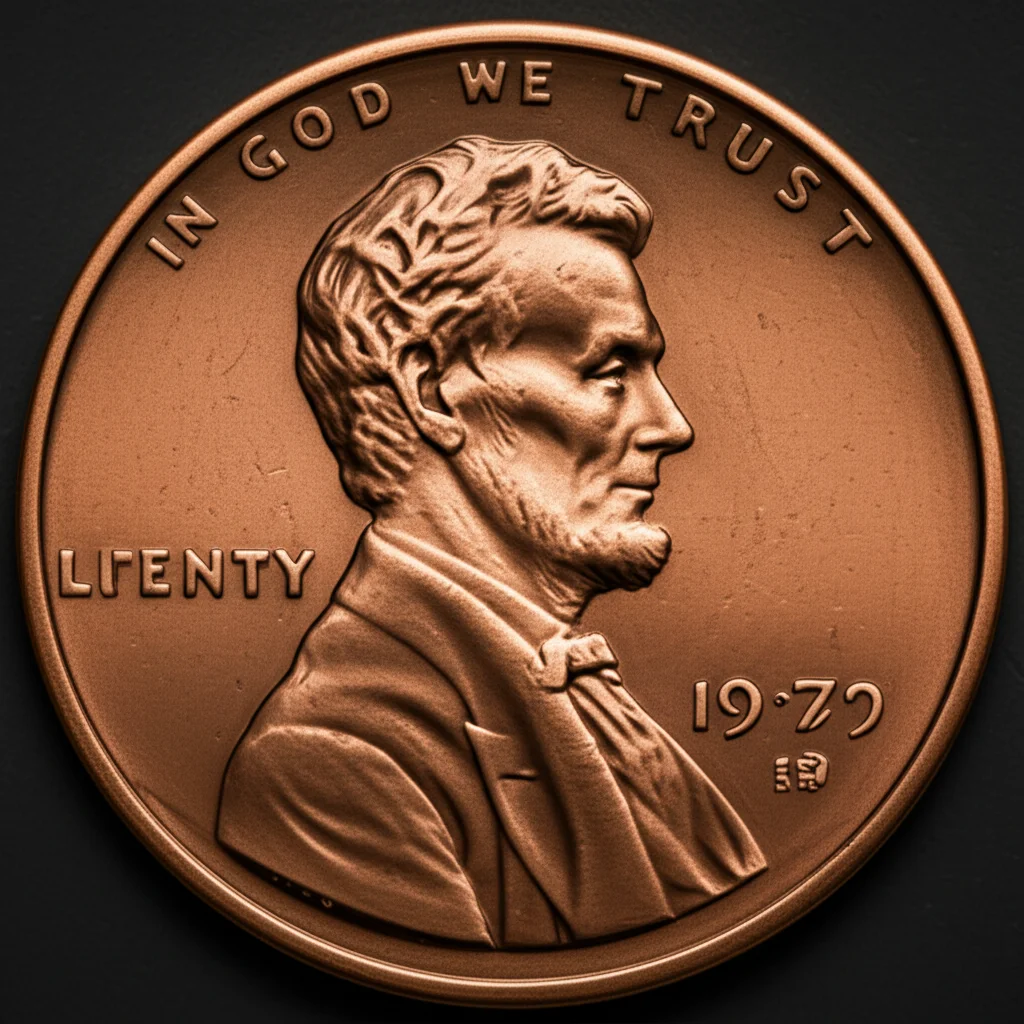
· Todd Martin · Coin Care · 15 min read
How To Clean Old Pennies
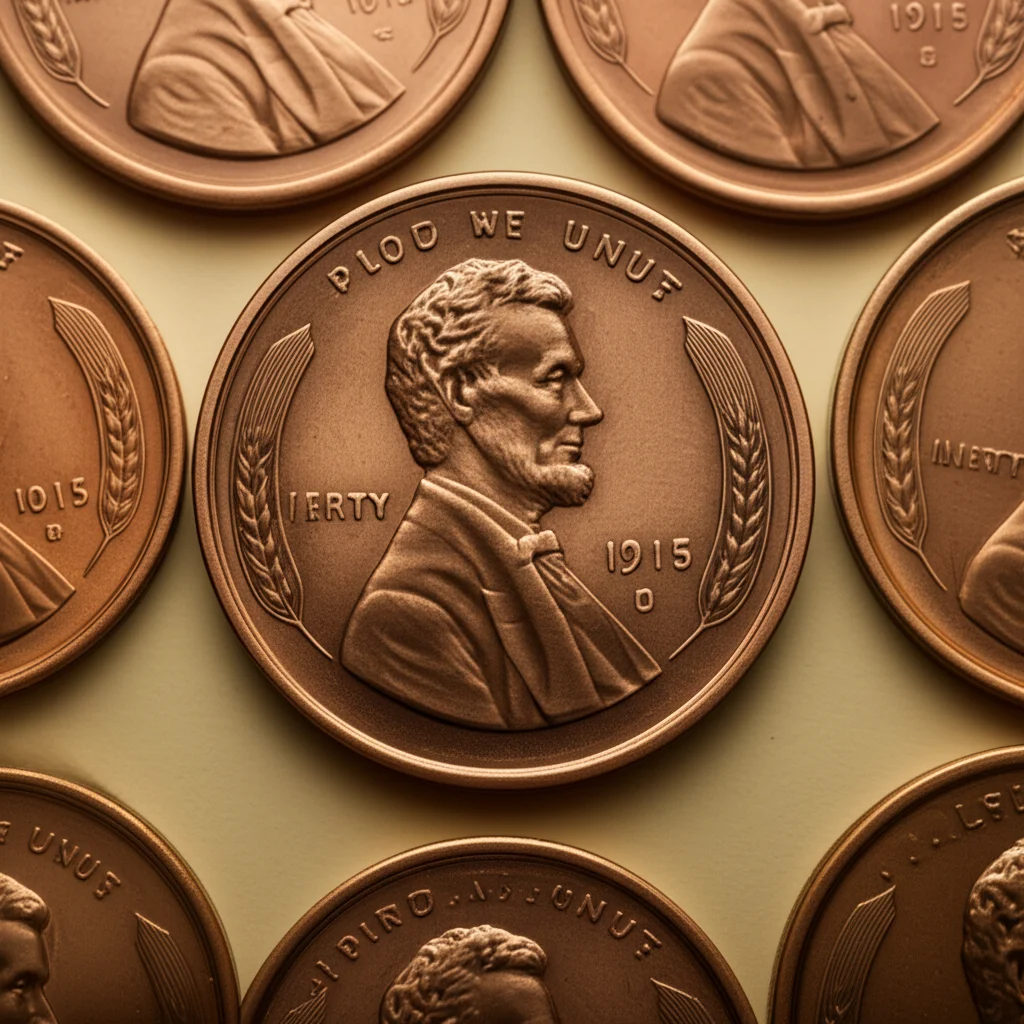
Revive Your Collection: How To Clean Old Pennies Safely
Have you ever found a dull, dirty old penny and wondered if its former glory could return? I certainly have. Cleaning old pennies can reveal hidden details and bring back their original luster. This guide will show you how to clean old pennies properly. We will cover various methods, discuss what to avoid, and help you decide when cleaning is a good idea. You will learn about different coin types and safe cleaning practices.
Takeaway
Cleaning old pennies requires care. Always identify the coin’s type and value first. Use gentle methods for common coins to avoid damage. Avoid harsh chemicals, abrasives, and mechanical devices.
Cleaning old pennies depends on their type and condition. For most common copper pennies, a simple wash with soap and water can remove surface dirt. For more stubborn grime, gentle acidic solutions like vinegar or lemon juice may help, but always test a small area first and rinse thoroughly to prevent damage.
The Science Behind Penny Dirt: Why Pennies Tarnish
Pennies often look dirty because of a chemical process. Copper, the main metal in most old pennies, reacts with air and moisture. This reaction forms copper oxide, which creates the dull, dark coating we see. This layer is called tarnish. Dirt, grease, and other environmental elements also stick to the tarnish, making pennies appear even darker. Understanding this helps us choose the right cleaning methods.
Different environments affect pennies differently. A penny found in dry soil might have less tarnish than one exposed to constant humidity. The age of the penny also plays a role; older pennies have had more time to react with their surroundings. Knowing the source of the dirt helps determine the best cleaning approach. We want to remove the unwanted layers without harming the coin’s surface.
Identifying Your Penny: Is It Safe to Clean?
Before you clean any old penny, you must identify it. Not all old pennies are created equal. Some have significant collector value, and cleaning them can drastically reduce their worth. A valuable coin should never be cleaned by an amateur. Instead, a professional conservator should handle it.
Look for key features on your penny. Note the date, mint mark, and any unique characteristics. For example, a 1943 steel penny looks very different from a copper one. Indian Head pennies are older and often more delicate. Knowing your penny helps you make an informed decision about cleaning. If you are unsure about a coin’s value, consult a coin dealer or a reputable price guide first. Remember, a dirty but original valuable coin is often worth more than a shiny, damaged one.
Common Penny Types and Cleaning Considerations
Different pennies respond differently to cleaning. Most pennies made before 1982 are primarily copper. They develop a dark copper oxide layer over time. Pennies made after 1982 are mostly zinc with a thin copper plating. These react differently and are more prone to damage from harsh chemicals.
Steel pennies from 1943 are unique. They are steel coated in zinc. Cleaning methods for copper pennies will harm steel pennies. How To Clean 1943 Steel Pennies requires specific, gentle methods to avoid stripping the zinc coating or causing rust. Similarly, very old coins like How To Clean Indian Head Pennies need extreme caution due to their age and potential historical value. Always identify your coin first to choose the safest method.
Gentle Cleaning Methods for Everyday Pennies
For common, low-value pennies, gentle cleaning can be quite effective. These methods remove surface grime without harsh abrasives. My go-to approach often starts with just soap and water. This simple solution can remove a surprising amount of dirt.
First, fill a small bowl with warm water and add a few drops of mild dish soap. Place the pennies in the soapy water. Let them soak for 10-15 minutes. This helps loosen dirt and grime. After soaking, gently rub the pennies with your fingers or a soft cloth. Do not use anything abrasive, like a brush or scrubber. Rinse them well under running water. Dry them completely with a soft, clean cloth. This prevents new tarnish from forming quickly.
Soaking in Distilled Water
Sometimes, a long soak in distilled water is all a penny needs. Distilled water lacks minerals that can leave deposits on the coin. Place your pennies in a container of distilled water. Let them sit for several days or even a week. Change the water daily. This method slowly loosens dirt. It is very gentle and poses almost no risk to the coin’s surface. After soaking, gently wipe the pennies dry. This process works well for coins that have a lot of loose dirt or mud.
Mild Soap and Warm Water Scrub
For pennies with more stubborn but still superficial dirt, a gentle scrub with mild soap works. You can use liquid hand soap or dish soap. Put a small drop of soap on your finger. Wet the penny and gently rub the soap over its surface. Focus on areas with visible grime. Rinse the penny thoroughly under warm water. Make sure all soap residue is gone. This method is effective for removing oily films or light stickiness. Always ensure you are using a non-abrasive cloth or just your fingertips.
Household Solutions for More Tarnished Pennies
When gentle methods do not work, some common household items can help. These items contain mild acids that react with copper oxide. They can dissolve the tarnish and reveal the copper underneath. Remember to always use these methods with caution. You want to clean the penny, not damage it.
One popular method uses vinegar. How To Clean Pennies With Vinegar involves soaking pennies in white vinegar for a short time. The acetic acid in vinegar reacts with the tarnish. You can also add salt to speed up the reaction. Place the pennies in a small bowl. Pour enough white vinegar to cover them. Add a teaspoon of salt if desired. Let them soak for a few minutes. Check them often. Remove them once they start to brighten. Rinse them immediately and thoroughly. Dry them completely.
Lemon Juice and Salt
Lemon juice is another acidic option. It contains citric acid, which also removes tarnish. This method is similar to the vinegar and salt method. Cut a lemon in half. Sprinkle a little salt onto the cut surface of the lemon. Rub the tarnished penny directly on the salted lemon. The abrasive action of the salt combined with the acid helps remove the tarnish. You will see the penny brighten quickly. Rinse the penny very well under running water. Dry it with a soft cloth. This method is quite effective for heavily tarnished copper pennies.
Ketchup or Hot Sauce
Believe it or not, condiments like ketchup and hot sauce can clean pennies. They contain vinegar or acetic acid. The acidity breaks down the tarnish. Squeeze a small amount of ketchup onto a tarnished penny. Let it sit for a few minutes. You can also gently rub the ketchup over the surface. The slight grittiness of some hot sauces can also help. Rinse the penny completely. Dry it immediately. This method is often surprising but effective for mild tarnish.
Addressing Specific Penny Issues: Green and Heavily Soiled Coins
Sometimes, pennies have more than just simple tarnish. They might have green corrosion or be heavily soiled from being in the ground. These situations need specific approaches. Green spots on copper pennies are usually copper carbonates, often called verdigris. This is a more advanced form of corrosion.
For How To Clean Green Pennies, a stronger but still careful method is needed. A mixture of baking soda and lemon juice can form a paste. Apply this paste to the green areas. Let it sit for a few minutes. The mild abrasive nature of the baking soda combined with the acid helps break down the green corrosion. Gently rub with a soft cloth or a cotton swab. Rinse very well. This method can be effective for localized green spots.
Coins Found in the Ground
Pennies found in the ground often come with caked-on dirt, mud, and sometimes even mineral deposits. These require a cautious initial cleaning. Do not rub them immediately. Start by soaking them in distilled water for several days. Change the water daily. This helps loosen the large chunks of dirt. After a long soak, gently rinse them under running water. Use your fingers to rub off any remaining loose dirt.
For stubborn caked-on dirt, a wooden toothpick or a plastic scraper can help. Gently pick away at the dirt. Do not use metal tools, as they can scratch the coin. Once the loose dirt is gone, you can proceed with one of the mild cleaning solutions discussed earlier, like vinegar or lemon juice. Remember, the goal is to reveal the coin, not make it shine. Many collectors prefer a coin with its natural patina, even if it’s dirty from the ground. How To Clean Old Coins Found In The Ground often emphasizes preservation over shine.
What NOT to Do: Avoiding Damage to Your Pennies
Just as important as knowing how to clean pennies is knowing what not to do. Many common cleaning practices can cause irreversible damage to coins. This damage often decreases the coin’s value, especially for collectors. My advice is always to err on the side of caution. If in doubt, do not clean it.
Never use abrasive materials. Steel wool, sandpaper, harsh brushes, or even abrasive cleaning powders will scratch the coin’s surface. These scratches remove parts of the coin’s design and original metal. This damage is permanent. Once a coin is scratched, its collector value drops significantly. Even if it looks shiny, it is considered damaged goods. Avoid using anything that feels rough against the coin.
Harsh Chemicals and Abrasives
Steer clear of harsh chemical cleaners. Products like bleach, oven cleaner, or industrial degreasers can cause severe damage. These chemicals react aggressively with copper and other metals. They can pit the surface, discolor the coin, or leave behind damaging residues. Some chemicals can even change the coin’s molecular structure, leading to a dull, unnatural appearance. Always check the ingredients of any cleaning solution. If it is not specifically designed for coins, do not use it.
Avoid mechanical cleaning devices. Polishing wheels, electric toothbrushes, or rotary tools can remove significant amounts of metal. They leave behind unnatural parallel lines or a “cleaned” look that collectors dislike. This process is very fast and cannot be undone. Mechanical cleaning destroys the coin’s original surface and can erase fine details. A “cleaned” coin is usually worth less than a dirty, uncleaned one in the numismatic world.
The “Cleaned Coin” Look
A coin that has been improperly cleaned often has a distinctive look. It might appear unnaturally shiny, with a dull, muted luster instead of the original cartwheel effect. Fine lines or tiny scratches might be visible all over the surface. This “cleaned” appearance tells collectors that the coin has been altered. They will often pass over such coins for those with original surfaces, even if tarnished. Preserving the original surface, even with its dirt, is usually the best approach for valuable coins.
Drying and Storing Your Cleaned Pennies
After cleaning your old pennies, proper drying and storage are critical. If you do not dry them completely, new tarnish will form quickly. Water spots can also appear. This undoes all your cleaning work. The air contains moisture, and copper reacts with it. So, a quick and thorough drying process is a must.
After rinsing, place each penny on a soft, clean, absorbent cloth. Microfiber cloths work well. Gently pat the penny dry. You can also let them air dry on a paper towel for a short time, but check them often. For best results, use a hair dryer on a low, cool setting. This ensures all moisture is gone, especially from recessed areas of the coin. Hold the dryer at a safe distance to avoid overheating the coin.
Proper Storage Prevents Future Tarnish
Once your pennies are completely dry, store them correctly. Proper storage helps preserve their newly cleaned state. Air and moisture are the enemies of clean copper. Do not store them in open containers or directly exposed to the air. Instead, use archival-safe coin holders or albums. These holders are made from inert materials that will not react with the coin.
- Flips: Mylar or polypropylene flips are good for individual coins. Avoid PVC (polyvinyl chloride) flips, as they can leach chemicals and damage coins over time.
- Coin Tubes: Plastic tubes made for specific coin denominations can hold many coins. Make sure they are PVC-free.
- Coin Albums: Albums with inert pages protect coins while allowing easy viewing.
Store your coin holders in a cool, dry place. Avoid areas with high humidity, like basements or garages. Keeping coins away from direct sunlight and extreme temperature changes also helps. Proper storage prevents new tarnish from forming and keeps your pennies looking their best for a long time.
When to Consult a Professional Conservator
Sometimes, a penny is too valuable or too delicate for amateur cleaning. This is when you should consult a professional conservator. A conservator specializes in preserving artifacts, including coins. They have specialized tools and knowledge. They can clean coins without harming their historical value. My personal rule is: if a coin might be worth more than a few dollars, it goes to a professional.
Professional conservators use methods very different from household cleaning. They might use specialized chemicals, precise tools, or even advanced techniques like electrolysis under controlled conditions. Their goal is always preservation first. They clean only enough to stabilize the coin or reveal important details, not to make it shiny. They understand that a coin’s “patina” (the natural tarnish developed over time) is often part of its value. Removing this patina can destroy its historical context.
Recognizing Valuable Pennies
How do you know if your penny is valuable? Check online coin guides or reputable numismatic books. Look for rare dates, mint marks, or errors. For instance, some specific year pennies, like certain varieties of the 1909 VDB or 1955 doubled die, are highly sought after. These should never be cleaned by an amateur. Their value lies in their originality and condition.
A professional will assess the coin’s condition and determine the best course of action. They can advise whether cleaning is even necessary or beneficial. Often, a professional will recommend minimal intervention. They aim to preserve the coin’s integrity. For example, How To Clean Old Jewelry can be similar; some antique jewelry needs professional care, not just a simple polish. Always put the coin’s long-term preservation before its temporary shine.
FAQ Section
Q1: Will cleaning old pennies decrease their value? A1: Yes, cleaning old pennies, especially valuable ones, can significantly decrease their collector value. Most collectors prefer coins with their original “patina” or tarnish. Improper cleaning can cause scratches, discoloration, or an unnatural appearance. For rare or valuable coins, always consult a professional conservator.
Q2: What is the safest way to clean a very old penny? A2: The safest way to clean a very old penny, especially one with potential value, is often to do nothing at all. If cleaning is necessary for identification, gently soak the coin in distilled water for several days. Change the water daily. Avoid any rubbing or chemical solutions.
Q3: Can I use toothpaste to clean my pennies? A3: No, you should avoid using toothpaste to clean pennies. Toothpaste contains abrasives designed to scrub teeth, which are much harder than copper. These abrasives will scratch the surface of your penny, leaving micro-scratches and dulling its original luster. This damage is permanent.
Q4: How do I remove green corrosion from a penny? A4: To remove green corrosion (verdigris) from a penny, try a paste of baking soda and lemon juice. Apply it gently to the green area. Let it sit for a few minutes, then gently rub with a soft cloth or cotton swab. Rinse the penny thoroughly. Be very careful, as verdigris can indicate active corrosion that damages the coin.
Q5: What are the signs of an improperly cleaned penny? A5: An improperly cleaned penny might look unnaturally shiny. It might also have dull, lifeless luster, or hairline scratches. You might see parallel lines from scrubbing or an altered surface texture. These signs tell collectors the coin’s original surface has been damaged.
Q6: Is it better to clean a penny or leave it dirty? A6: For common, low-value pennies, cleaning can be fine if you want them to look shiny. For rare, old, or potentially valuable pennies, it is almost always better to leave them dirty. Their original condition, even with tarnish, preserves their historical integrity and value.
Conclusion
Learning how to clean old pennies safely is a valuable skill. It allows you to restore the appearance of common coins without causing harm. We covered gentle methods, household solutions for tarnish, and how to tackle specific issues like green corrosion. Remember the golden rule: identify your penny first. If it has potential value, do not clean it yourself.
Always choose the least aggressive cleaning method. Use soft materials, avoid harsh chemicals, and ensure thorough drying. By following these guidelines, you can enjoy your cleaner pennies while preserving their integrity. Start with simple soap and water, and only move to stronger methods if needed. Now, go forth and bring some shine back to those old copper friends!
- old pennies
- cleaning coins
- penny restoration
- coin cleaning tips
- copper cleaning
- coin preservation
- antique coin care

Todd Martin
Senior Writer
With over 15 years of experience in home renovation and design, I started HEG to share what I’ve learned with homeowners who want to create spaces that are both beautiful and functional. I’ve always believed in a hands-on approach, and over the years, I’ve picked up practical solutions that actually work. Through HEG, I aim to make home improvement more approachable, sharing real tips that help you create a home you truly love.