· Todd Martin · Recipes · 18 min read
How To Cook Beef Olives In Frying Pan Jamie
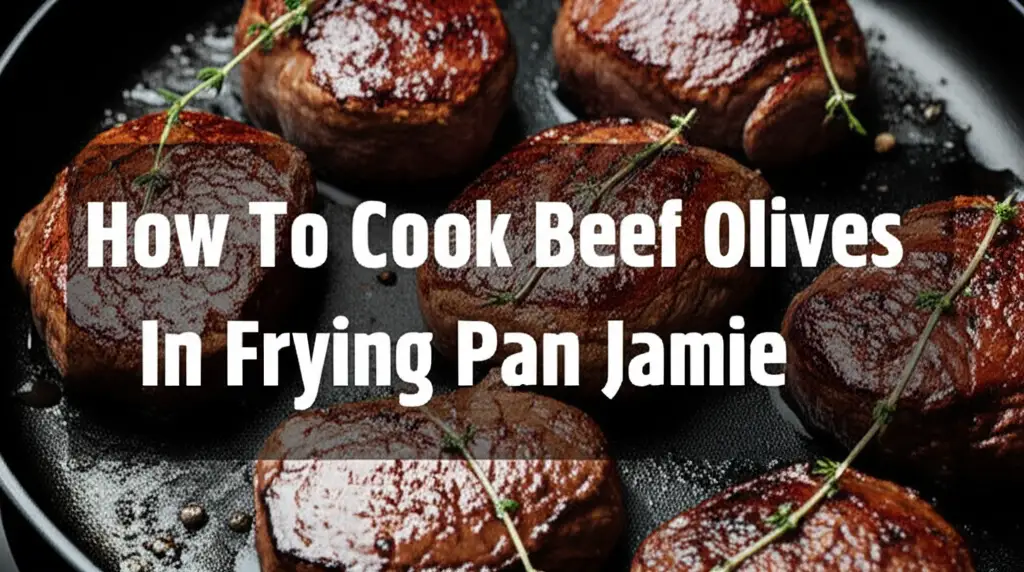
Cooking Beef Olives in a Frying Pan, Jamie’s Way
Imagine a dish that is comforting, full of flavor, and surprisingly simple to make at home. I am talking about beef olives. Many people know beef olives as a slow-cooked dish. However, cooking beef olives in a frying pan offers a quicker route to a delicious meal. This method captures all the rich taste with less waiting time. If you want to know how to cook beef olives in a frying pan Jamie style, you are in the right place.
This article guides you through the entire process. We will cover choosing the best ingredients. We will also look at mastering frying pan techniques. You will learn simple steps to prepare, cook, and serve tender beef olives. I want to help you create a meal that brings joy to your table. Get ready to transform everyday beef into something special, using just your trusty frying pan.
Takeaway
- Choose thin cuts of beef and pound them flat for easy rolling.
- Secure beef olives tightly with twine or toothpicks to prevent unrolling.
- Sear beef olives in a hot frying pan to brown them on all sides.
- Braise the browned beef olives gently in the frying pan with liquid.
- Create a flavorful pan sauce using the cooking liquid and drippings.
To cook beef olives in a frying pan, you start by flattening thin beef slices. Spread a savory stuffing on each slice, then roll and secure them. Brown these rolls in a hot frying pan for color. Finish by simmering them gently in a flavorful liquid directly in the same pan until they are tender.
Understanding Beef Olives: A Traditional Comfort Dish
Beef olives are a classic dish. They bring warmth and flavor to any meal. This dish consists of thinly sliced beef. You spread a savory stuffing onto the beef. Then, you roll the beef around the stuffing. After rolling, you cook them until tender. The name “olive” does not mean olives are in the dish. It refers to the small, oval shape of the finished beef roll.
The dish has roots in British and Scottish cuisine. It became popular for its use of less expensive cuts of beef. Cooks would transform these cuts into something special. Stuffing often includes breadcrumbs, herbs, and sometimes finely chopped vegetables or bacon. This combination creates a delicious contrast in textures and flavors. The beef becomes soft, and the stuffing remains moist and tasty.
Traditionally, beef olives cook slowly. This often happens in an oven or slow cooker. The long cooking time ensures the beef becomes very tender. However, the frying pan method offers a faster solution. It still locks in flavor. It achieves tenderness by searing and then gently simmering. This makes it a perfect choice for weeknight dinners. You can enjoy a classic dish without the long wait.
The appeal of beef olives lies in their simplicity and hearty nature. They are a dish that reminds many people of home cooking. My grandmother used to make them. She always served them with creamy mashed potatoes. Knowing how to cook them in a frying pan gives you a valuable skill. You can quickly prepare a dish that tastes like it took hours. This method preserves the comfort food feel while fitting into a busy schedule.
Choosing the Right Beef and Stuffing for Frying
Selecting the correct beef cut is important. It ensures success when cooking beef olives in a frying pan. You need a cut that is thin. It also needs to become tender quickly. Common choices include silverside, topside, or minute steak. These cuts are lean and slice well. They also soften nicely with the frying pan method. Look for beef already sliced thinly. If not, ask your butcher to slice it for you. You can also slice it yourself at home. Slice against the grain for best results.
Once you have your beef, pound each slice. Place beef between two pieces of plastic wrap. Use a meat mallet or a rolling pin. Pound the beef until it is about 1/4 inch thick. This step makes the beef easier to roll. It also helps it cook evenly and quickly. Thin beef helps achieve tenderness in a frying pan. It prevents the outside from burning before the inside cooks through.
For the stuffing, traditional recipes use breadcrumbs. These can be fresh or dried. Fresh breadcrumbs absorb flavor well. Mix them with herbs like parsley, thyme, or sage. You can also add finely chopped onion or garlic. Some people like to add a little cooked bacon or sausage meat. This adds a richer flavor. Bind the stuffing with a bit of egg or stock. This makes it easier to handle. It also keeps it moist during cooking.
Beef Cut Options:
- Silverside: A lean cut from the hindquarter.
- Topside: Similar to silverside, also lean.
- Minute Steak: Already very thin, often pre-tenderized.
- Skirt Steak: Can work, but needs careful pounding to be thin enough.
Stuffing Basics:
- Base: Fresh or dried breadcrumbs.
- Aromatics: Finely diced onion, garlic, shallots.
- Herbs: Fresh parsley, thyme, sage, rosemary.
- Binders: Egg, beef stock, or a splash of milk.
- Add-ins (Optional): Cooked chopped bacon, finely diced mushrooms, grated cheese.
Preparing the beef and stuffing properly sets the stage. It makes the rolling process smoother. It also ensures a balanced taste in your final dish. My personal favorite stuffing includes a touch of Dijon mustard for extra zing. This choice makes the beef olives really stand out. It adds a wonderful flavor dimension.
Essential Frying Pan Setup and Technique
The right frying pan makes a big difference. For cooking beef olives, a sturdy pan is best. A pan with a heavy bottom ensures even heat distribution. This prevents hot spots that can burn your beef. Cast iron pans work well. Stainless steel pans are also a good option. If you use a non-stick pan, be careful with high heat. Some non-stick coatings cannot handle very high temperatures. Always check your pan’s instructions. A pan with tall sides is also helpful. This prevents liquid from spilling when you braise the beef olives.
Heating the pan correctly is key. Start by placing your frying pan on medium-high heat. Allow it to heat for a few minutes. You want the pan to be hot. A hot pan creates a good sear on the beef. This browning step adds deep flavor. It also creates a delicious crust. Add a little cooking oil to the hot pan. Use an oil with a high smoke point. Vegetable oil, canola oil, or grapeseed oil are good choices. The oil should shimmer but not smoke excessively.
Browning the beef olives is the first cooking step. Place them gently into the hot oiled pan. Do not crowd the pan. Cook them in batches if needed. Crowding lowers the pan temperature. This prevents proper browning. Brown the beef olives on all sides. This usually takes 2-3 minutes per side. The goal is a rich, golden-brown color. This step is important for flavor. It creates a savory base for your dish.
After browning, you will move to the simmering phase. This is when the beef becomes tender. The frying pan works perfectly for this. You add liquid to the pan after browning. This liquid can be beef stock, red wine, or even canned tomatoes. It will cover part of the beef olives. Reduce the heat to low. Cover the pan with a lid. This traps steam and helps cook the beef gently. This technique combines searing for flavor with braising for tenderness. My best advice is to ensure the pan is hot before adding the beef. This ensures a beautiful crust.
Pan Choice:
- Heavy-bottomed cast iron or stainless steel frying pan.
- Pan with sides tall enough for simmering liquid.
- Consider non-stick if heat limits are understood.
Heating and Oil:
- Preheat pan over medium-high heat until hot.
- Use high smoke point oil (e.g., vegetable, canola, grapeseed).
- Oil should shimmer, not smoke.
Browning Technique:
- Do not overcrowd the pan.
- Sear beef olives 2-3 minutes per side until golden brown.
- This step builds flavor and color.
Proper pan setup and technique ensure delicious, tender beef olives every time. For more tips on searing meats in a frying pan, you might find this guide helpful: How To Cook Steak On Frying Pan Medium Rare. It covers similar principles for achieving a great crust.
Step-by-Step Guide: Preparing Your Beef Olives
Making beef olives starts with preparation. This phase sets you up for cooking success. First, lay out your thinly sliced beef. If the slices are thick, pound them. Aim for about 1/4 inch thickness. Use a meat mallet or the bottom of a heavy pan. Place beef between two sheets of plastic wrap. This prevents a mess. Pounding makes the beef easier to roll. It also helps it cook faster.
Next, prepare your stuffing mixture. In a bowl, combine your chosen ingredients. This typically includes breadcrumbs, finely chopped onion, herbs, and a binding agent. A small egg or a splash of beef stock works well for binding. Mix everything until it comes together. The mixture should be moist enough to hold its shape. It should not be soggy. Taste a small amount of the stuffing. Adjust seasonings as needed. This ensures your stuffing is flavorful.
Now, it is time to assemble the beef olives. Take one flattened beef slice. Place a spoonful of stuffing at one end. Leave a small border around the edges. This prevents stuffing from spilling out. Roll the beef slice tightly. Start from the end with the stuffing. Roll it up like a tiny roulade or cigar. Aim for a compact, neat roll. A tight roll keeps the stuffing inside.
After rolling, secure each beef olive. You have a few options. Kitchen twine works best for a secure hold. Tie a simple knot around the middle of each roll. You can also use wooden toothpicks. Insert two or three toothpicks through the roll. This holds the seam and the ends in place. Make sure the toothpicks go through the beef and stuffing. This prevents them from unraveling during cooking.
- Preparation Checklist:
- Pound Beef Slices: Thin to 1/4 inch using a meat mallet.
- Mix Stuffing: Combine breadcrumbs, aromatics, herbs, and binder.
- Assemble Rolls: Place stuffing on one end of beef slice; roll tightly.
- Secure Olives: Use kitchen twine or toothpicks to hold shape.
Proper preparation means your beef olives will hold their form in the frying pan. They will cook evenly. This preparation method gives you beautiful, uniform results every time. I find that taking this time ensures a perfect dish. It makes the rest of the cooking process very smooth.
Frying Pan Cooking Method for Tender Beef Olives
Cooking beef olives in a frying pan provides a quick, flavorful result. This method relies on searing for color and then simmering for tenderness. First, heat your frying pan. Use medium-high heat. Add a tablespoon or two of cooking oil. Make sure the oil coats the bottom of the pan. The pan is ready when the oil shimmers slightly. This hot pan prepares for a good sear.
Carefully place the prepared beef olives into the hot pan. Do not crowd them. Cook in batches if necessary. Allow them to brown deeply on all sides. This typically takes 2-3 minutes per side. Use tongs to turn them gently. Browning creates a delicious crust. It also locks in the flavors of the beef and stuffing. This step is crucial for taste. It creates fond at the bottom of the pan, which will become your sauce.
Once all beef olives are browned, remove them from the pan. Set them aside on a plate. Reduce the heat to medium-low. Add a chopped onion or shallot to the pan. Cook until softened. This adds another layer of flavor. You can also add minced garlic. Cook for another minute until fragrant. This creates a base for your simmering liquid.
Now, add your liquid. Pour in about 2-3 cups of beef stock. You can also add a splash of red wine for richness. Scrape the bottom of the pan with a wooden spoon. This lifts all the browned bits (fond) from the pan. These bits are full of flavor. Bring the liquid to a gentle simmer. Return the browned beef olives to the pan. Ensure they are partially submerged in the liquid.
Cover the frying pan with a tight-fitting lid. Reduce the heat to low. Let the beef olives simmer gently for 45-60 minutes. The exact time depends on the thickness of your beef. Cook until the beef is very tender. You can test tenderness with a fork. It should slide in easily. This simmering process allows the beef to absorb the liquid’s flavors. It also makes the beef melt-in-your-mouth tender. This method transforms simple ingredients into a gourmet meal.
- Cooking Steps:
- Sear: Brown beef olives in a hot, oiled frying pan (2-3 mins per side).
- Sauté Aromatics: Cook onion/garlic in the same pan.
- Deglaze: Add liquid (stock/wine) and scrape up pan bits.
- Simmer: Return beef, cover, and cook on low heat (45-60 mins).
- Check Tenderness: Beef should be easily pierced with a fork.
This cooking method is efficient. It produces beef olives that are tender inside and flavorful outside. For more general advice on maintaining your cookware, which is essential for consistent cooking, consider learning how to clean non-stick frying pan. Proper pan care extends its life and ensures even cooking.
Crafting a Delicious Pan Sauce to Finish
After your beef olives are tender, the pan holds a hidden treasure: the cooking liquid. This liquid is full of flavor. It combines beef drippings, stock, and any added aromatics. Transforming this liquid into a rich pan sauce is simple. It elevates your entire dish. This sauce brings everything together.
First, remove the cooked beef olives from the pan. Place them on a warm platter. Cover them loosely with foil. This keeps them warm while you make the sauce. If you used toothpicks, remove them now. Leave the cooking liquid in the frying pan. This liquid contains all the reduced flavors.
Next, assess the liquid. If it is too thin, you can thicken it. You have a few options.
- Reduce: Turn up the heat to medium-high. Let the liquid simmer rapidly. This causes water to evaporate. The sauce will thicken naturally. This method concentrates flavor. It works well if you have plenty of liquid.
- Slurry: If you need faster thickening, make a cornstarch or flour slurry. Mix one tablespoon of cornstarch with two tablespoons of cold water. Whisk this mixture into the simmering liquid. Stir continuously until the sauce thickens. For flour, mix one tablespoon of flour with one tablespoon of softened butter. Whisk this into the sauce. This is called a beurre manié. Cook for a few minutes to cook out the flour taste.
Taste the sauce. Adjust the seasoning as needed. You might add a pinch of salt or a grind of black pepper. A dash of Worcestershire sauce can add depth. A knob of cold butter whisked in at the end adds gloss and richness. This is an old chef’s trick. It makes the sauce silky.
Once the sauce reaches your desired consistency and flavor, it is ready. Spoon the warm sauce generously over the beef olives. The sauce coats the tender beef. It adds another layer of moisture and taste. It also tastes wonderful over mashed potatoes or vegetables served alongside. This final step transforms a simple braise into a complete meal. It shows how every part of the cooking process adds value. My preference is always to reduce the sauce. It creates the most intense flavor.
- Sauce Steps:
- Remove beef olives, keep warm.
- Assess cooking liquid in the pan.
- Thicken sauce by reducing or using a slurry (cornstarch/flour).
- Taste and adjust seasoning (salt, pepper, Worcestershire sauce).
- Whisk in cold butter for gloss (optional).
- Spoon sauce over beef olives.
Making a good pan sauce is not difficult. It uses the flavors already developed in the pan. This means less waste and more taste. Properly cleaning your frying pan after cooking is also important for future cooking endeavors. For guidance on how to keep your pan clean, this resource may be helpful: How To Clean Frying Pans.
Serving Suggestions and Perfect Pairings
Once your beef olives are tender and swimming in a delicious pan sauce, it is time to serve them. The way you present your dish can make it even more enjoyable. Beef olives are a hearty main course. They pair well with classic comfort food sides. These sides absorb the rich sauce. They also provide a good balance to the meat.
Creamy mashed potatoes are a top choice. The smooth texture of the potatoes complements the tender beef. They are perfect for soaking up every drop of the savory pan sauce. Roasted root vegetables also make an excellent partner. Think carrots, parsnips, or sweet potatoes. Roasting brings out their natural sweetness. This sweetness contrasts nicely with the savory beef. I always include roasted carrots. They add color and a mild sweetness.
Green vegetables add freshness and balance. Steamed green beans, broccoli, or asparagus are simple yet effective. They provide a crisp texture. They also add a vibrant color to your plate. A simple side salad with a vinaigrette dressing can also cut through the richness of the dish. This offers a lighter element.
For a more traditional British meal, consider serving your beef olives with Yorkshire puddings. These light, airy puddings are fantastic for soaking up gravy. They add a touch of classic flair. If you want something a bit different, crusty bread is also a good option. It allows you to mop up all the wonderful sauce.
- Classic Side Dishes:
- Creamy mashed potatoes
- Roasted carrots or parsnips
- Steamed green beans or broccoli
- Yorkshire puddings
- Crusty bread
Pairing drinks with beef olives is also easy. A medium-bodied red wine complements the beef well. Merlot or Cabernet Sauvignon are good choices. For non-alcoholic options, sparkling water with a lemon slice offers a refreshing contrast. A crisp apple juice can also work. The most important thing is to enjoy your meal. Share it with friends or family. Beef olives are a dish meant to be savored. They bring warmth and satisfaction to any meal. This dish is truly a simple pleasure.
FAQ Section
Can I prepare beef olives in advance?
Yes, you can prepare beef olives ahead of time. Assemble them fully, including securing them with twine or toothpicks. You can store them uncooked in the refrigerator for up to 24 hours. Alternatively, brown them in the pan, then cool and refrigerate. Reheat gently in the sauce when ready to serve.
What beef cut is best for beef olives?
Thinly sliced cuts work best for beef olives. Good options include silverside, topside, or minute steak. These cuts are lean and tenderize well during the simmering process in the frying pan. Ask your butcher to slice them thinly or pound them yourself for optimal results.
How do I stop beef olives from unrolling?
To prevent beef olives from unrolling, secure them tightly. Use kitchen twine to tie a neat knot around the middle of each roll. Alternatively, insert two or three wooden toothpicks through the roll. Ensure they pass through the beef and stuffing to hold everything in place.
Can I cook beef olives without a frying pan?
Yes, you can cook beef olives without a frying pan. Traditional methods involve baking in the oven or slow cooking. You would still brown them first in a pan (or under a grill for baking) for flavor. Then, braise them in a covered oven-safe dish or slow cooker until tender.
What kind of stuffing works best?
A classic stuffing uses breadcrumbs as a base. Mix them with finely chopped onions, fresh herbs like parsley or thyme, and a binder like egg or stock. For extra flavor, you can add cooked bacon, mushrooms, or a hint of mustard. Ensure the stuffing is moist but not wet.
How long do beef olives take to cook?
After browning, beef olives typically need to simmer for 45-60 minutes in the frying pan. The exact time depends on the thickness of the beef slices. They are ready when the beef is very tender and easily pierced with a fork. Test for tenderness before serving.
Conclusion
Learning how to cook beef olives in a frying pan Jamie style opens up a world of quick, comforting meals. This method proves that classic dishes can fit into a busy schedule. We have walked through selecting the best beef and creating a flavorful stuffing. We covered essential frying pan techniques for perfect searing. We also looked at the gentle simmering for tenderness. And we wrapped it up with crafting a rich pan sauce.
You now have the steps to prepare a truly satisfying dish. The simple act of browning and then braising in one pan saves time. It also concentrates all the wonderful flavors. This dish is perfect for family dinners. It is also great for impressing guests. I hope you feel confident trying this recipe. Do not hesitate to experiment with different stuffings or sauces. Cooking is about exploration and enjoyment.
Ready to make your own delicious beef olives? Gather your ingredients. Heat your frying pan. Enjoy the process of creating a meal that brings warmth and flavor to your home. Happy cooking!
- Beef Olives
- Frying Pan Recipes
- Jamie Oliver Style
- Stuffed Beef
- Quick Beef Recipes

Todd Martin
Senior Writer
With over 15 years of experience in home renovation and design, I started HEG to share what I’ve learned with homeowners who want to create spaces that are both beautiful and functional. I’ve always believed in a hands-on approach, and over the years, I’ve picked up practical solutions that actually work. Through HEG, I aim to make home improvement more approachable, sharing real tips that help you create a home you truly love.