· Todd Martin · Outdoor Gear Care · 21 min read
How To Wash A Tent
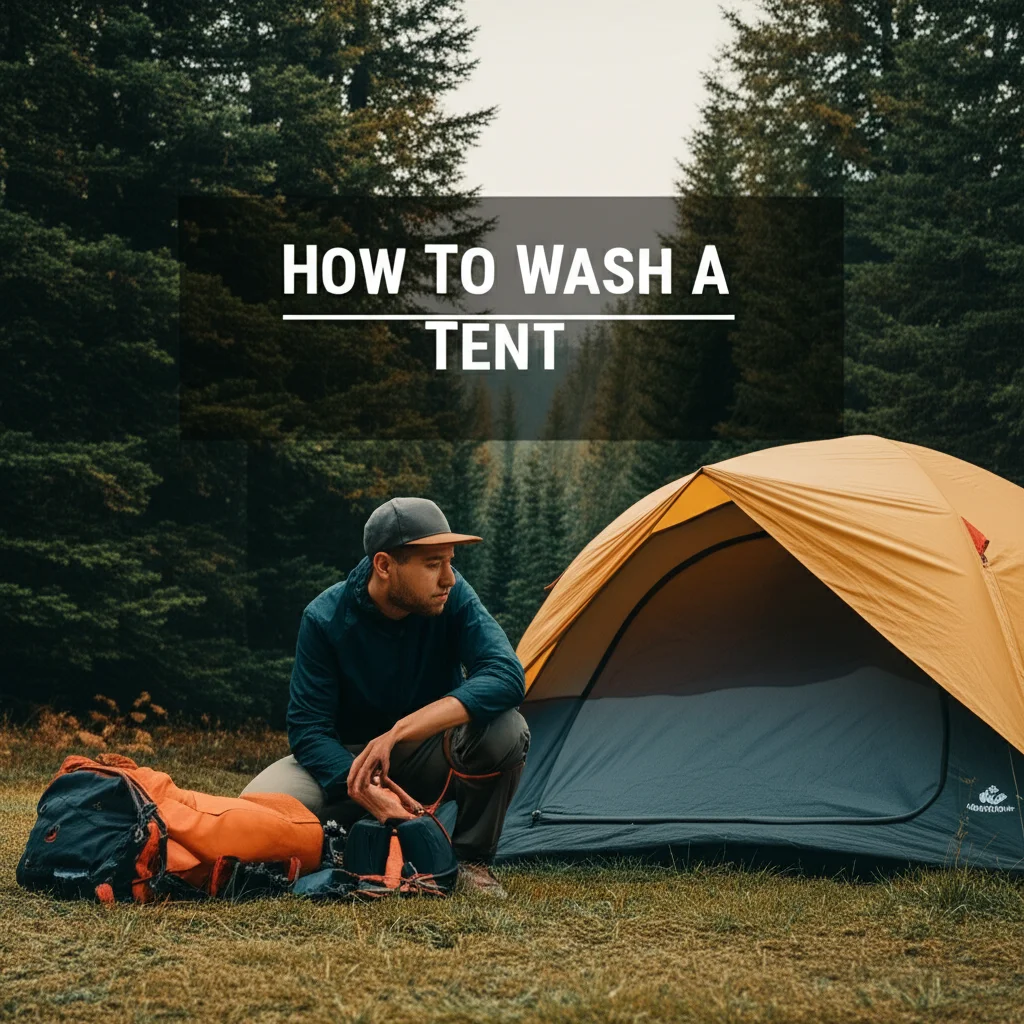
How To Wash A Tent: A Complete Guide to Cleaning Your Outdoor Shelter
Every adventure seeker knows the joy of a night under the stars. But after countless trips, your trusty tent collects dirt, grime, and even mildew. You might wonder, “How do I make my tent clean again?” Learning how to wash a tent correctly is important. Proper cleaning extends its life, maintains its waterproofing, and makes your next camping experience much better. This guide will walk you through everything you need to know, from gathering your supplies to drying and storing your cleaned tent.
Takeaway
- Hand wash your tent: Avoid washing machines or harsh detergents to protect delicate fabrics and coatings.
- Use specialized tent cleaner: Mild, non-detergent soaps are best to preserve waterproofing.
- Rinse thoroughly: Ensure no soap residue remains, as it can attract dirt and degrade fabric.
- Air dry completely: Never pack a damp tent; it leads to mold and mildew growth.
- Re-waterproof as needed: Over time, tent coatings wear down and may require a fresh application.
To wash a tent, you should hand wash it using a large tub or bathtub with lukewarm water and a mild, non-detergent soap or specialized tent cleaner. Gently scrub dirty areas, rinse thoroughly to remove all soap residue, and then air dry the tent completely in a shaded, well-ventilated area before packing it away.
Why Washing Your Tent Matters: Protecting Your Outdoor Home
Regular cleaning of your tent is not just about aesthetics; it is crucial for its longevity and performance. Dirt and debris can abrade the fabric, weakening it over time. Tree sap, bird droppings, and food spills can degrade the waterproof coating and create mildew spots if left unattended. A clean tent performs better in adverse weather conditions, keeps you dry, and smells fresh on your next trip.
Think of your tent as a shield against the elements. If that shield is compromised by dirt and grime, it cannot protect you as well. By taking the time to wash a tent properly, you protect your investment. You ensure it remains a reliable shelter for many adventures to come. This simple maintenance step makes a big difference in your outdoor experiences.
Essential Supplies for Washing Your Tent
Before you begin the process of washing a tent, gather all necessary supplies. Having everything ready saves time and ensures a smooth cleaning experience. You do not want to stop midway to find a forgotten item. Choose products specifically designed for outdoor gear to avoid damaging your tent’s specialized fabrics and coatings.
You will need a few basic items. These items help you clean your tent effectively without causing harm. Always prioritize gentle cleaning solutions over harsh chemicals.
- Large Sponge or Soft Brush: This helps you gently scrub away dirt without damaging the tent fabric. A soft bristled brush is effective for stubborn spots.
- Non-Detergent Soap or Tent-Specific Cleaner: Avoid household detergents, as they can strip away waterproof coatings. Look for cleaners designed for technical outdoor gear. Nikwax Tent & Gear SolarWash or McNett Revivex are good choices.
- Large Tub, Bathtub, or Clean Tarp: You need a spacious area to soak and wash your tent. A clean bathtub works well for smaller tents. For larger tents, a clean tarp laid out in a grassy area is ideal.
- Warm Water: Not hot water. Warm water helps lift dirt without damaging the fabric or coatings.
- Soft Cloths or Rags: For wiping down surfaces and absorbing excess water.
- Optional: Tent Seam Sealer or Fabric Guard: After washing, you might need to re-apply these to maintain waterproofing. This is a good time to inspect your tent for wear.
Choosing the right cleaning agent is very important. Harsh soaps can ruin your tent’s waterproofing and make the fabric brittle. Always read the care label on your tent and the instructions on your cleaning product. If you are unsure, test a small, hidden area first.
Preparing Your Tent for a Deep Clean
Before you start washing your tent, proper preparation is key. This step helps you maximize cleaning efficiency and prevent damage. Do not rush this part, as it lays the foundation for a successful deep clean. Taking time to prepare your tent makes the washing process easier and more effective.
First, you need to set up your tent. Pitch it in a shady area or spread it out completely on a clean, flat surface. This allows you to inspect every part of the tent thoroughly. Look for obvious dirt, mud, dust, or any sticky residues like tree sap.
- Empty and Brush Out Debris: Remove all items from inside the tent. Turn the tent inside out and shake it vigorously to remove loose dirt, leaves, and sand. Use a soft brush or a small vacuum cleaner with a brush attachment to clean the interior floor and corners.
- Separate Components: Detach the rainfly, tent body, footprint, and poles. Often, the rainfly is the dirtiest part because it bears the brunt of the weather. Clean each component separately for the best results.
- Spot Clean Obvious Grime: For caked-on mud or sticky spots, use a damp cloth and gently pre-treat these areas. Do not scrub too hard, as this can spread the stain. For stubborn spots like tree sap, you might need rubbing alcohol or a specialized cleaner. Test it first on an inconspicuous area.
- Check for Tears or Damage: While inspecting, look for any small tears, punctures, or failing seams. It is a good time to repair these before washing. Washing can worsen existing damage. A repair kit is always handy for these situations.
This preparation stage sets you up for an effective cleaning process. By removing loose dirt and identifying problem areas, you prevent mud from turning into streaks during the wash. It also helps you focus on the areas that need the most attention.
The Gentle Art of Hand Washing Your Tent
Washing your tent by hand is the best method to ensure its longevity and maintain its protective coatings. Avoid using a washing machine, as the agitator or spin cycle can damage fabrics, tear mesh, and strip away waterproofing. Hand washing allows for precise control and gentle care. This process is similar to how you might wash clothes in a bathtub or other delicate items.
Find a large, clean space for this task. A bathtub works well for smaller tents. For larger family tents, you might need a large plastic tub or even a clean tarp spread out on a lawn. Ensure the area is free of sharp objects or harsh chemicals that could harm the fabric.
- Fill Your Tub with Lukewarm Water: Begin by filling your chosen container with lukewarm water. Add the recommended amount of your chosen non-detergent soap or specialized tent cleaner. Avoid hot water, as it can damage the tent’s coatings.
- Submerge Tent Components: Place one tent component (e.g., the rainfly first) into the water. Ensure it is fully submerged. Let it soak for 15-30 minutes. This helps loosen dirt and grime, making it easier to clean.
- Gently Scrub: Using a soft sponge or cloth, gently scrub all surfaces of the tent fabric. Pay special attention to high-traffic areas, corners, and areas with visible dirt, mold, or mildew. For stubborn spots, apply a small amount of cleaner directly and gently rub it. Do not use abrasive brushes or harsh scrubbing, as this can damage the waterproof coating. If you’re washing other outdoor gear, similar care applies to items like a polyester backpack.
- Rinse Thoroughly: This is a critical step. Drain the soapy water and refill the tub with clean, lukewarm water. Continuously rinse the tent component, gently squeezing and swishing it, until all soap residue is gone. Soap residue left on the fabric can attract dirt, promote mildew growth, and degrade the waterproofing. You may need to drain and refill the tub multiple times to achieve a complete rinse. For outdoor items like a rain jacket, rinsing thoroughly is also crucial.
- Repeat for All Components: Once one component is clean and thoroughly rinsed, set it aside to air dry. Repeat the process for the tent body, footprint, and any other washable parts. Remember, poles and stakes typically only need a wipe-down with a damp cloth, not a full wash.
This method ensures a deep clean without risking damage to your valuable camping equipment. It takes time, but the effort protects your tent and prepares it for many more adventures.
Tackling Mold and Mildew on Your Tent
Mold and mildew are common problems for tents, especially if stored damp or used in humid environments. They not only look unpleasant but also smell bad and can degrade tent fabric over time. Learning how to effectively remove them is an important part of washing a tent. Do not let mold compromise your gear or your health.
Mildew often appears as black, green, or white fuzzy spots. It grows quickly in dark, damp places. Removing it promptly is key to preventing widespread damage. While tackling mold, remember the principles of gentle cleaning.
- Prepare a Mildew Solution: Mix a solution of equal parts white vinegar and water. Alternatively, some specialized tent cleaners have specific instructions for mildew removal. Avoid bleach, as it can severely damage tent fabric and waterproofing.
- Apply and Let Sit: Lay the tent component flat in a well-ventilated area. Apply the vinegar solution directly to the mildew spots using a soft sponge or spray bottle. Let the solution sit on the affected area for 15-30 minutes. This allows the vinegar to penetrate and kill the mold spores.
- Gentle Scrubbing: After soaking, gently scrub the mildewed areas with a soft brush or sponge. You might see the mold lifting away. For very stubborn spots, a little more elbow grease might be needed, but always be careful not to abrade the fabric.
- Thorough Rinse: After scrubbing, rinse the tent component thoroughly with clean, lukewarm water. Ensure all traces of the vinegar solution and dead mold spores are washed away. Any residue can attract new mold growth.
- Sun Exposure (with caution): Sunlight is a natural mold killer. After rinsing, you can briefly expose the mildewed area to direct sunlight. However, do not leave your tent in direct sun for too long, as UV rays can degrade fabric and waterproofing over time. A few hours are usually enough to help dry and sanitize.
- Prevention is Key: The best way to deal with mold and mildew is to prevent them. Always ensure your tent is completely dry before packing it away. Store it in a cool, dry, well-ventilated area, not in a stuff sack for extended periods.
Addressing mold and mildew is a vital part of tent maintenance. Proper cleaning and storage will keep your tent fresh and ready for use. If you need to clean other outdoor structures, methods for how to clean a grow tent share similar considerations for airflow and moisture control.
The Importance of Proper Tent Drying
After you wash a tent, proper drying is the most crucial step to prevent mold, mildew, and unpleasant odors. Never pack or store a damp or even slightly moist tent. Doing so can ruin your tent quickly, making it unusable for future trips. Allow ample time for your tent to dry completely. This step ensures your hard work is not undone by moisture damage.
Drying your tent thoroughly protects the fabric and coatings. It also ensures your tent smells fresh and clean the next time you unpack it. Rushing the drying process can lead to significant problems down the line.
- Choose a Shady, Ventilated Area: Lay your tent components out flat in a shaded, well-ventilated area. Direct sunlight, while helpful for killing mold, can degrade the tent fabric and waterproofing over time. A garage, a spacious patio, or a clothesline under a porch are good options.
- Spread Out Completely: Ensure the tent body, rainfly, and footprint are spread out as much as possible. Hang them over a clothesline, chairs, or lay them flat on a clean tarp or surface. Avoid folding or bunching, as this traps moisture.
- Allow Air Circulation: Good airflow is essential. If drying indoors, open windows or use fans to circulate air. If outside, choose a breezy day. Rotate the tent components periodically to expose all sides to the air.
- Check All Seams and Zippers: Pay special attention to seams, zippers, and reinforced areas. These thicker parts can hold moisture longer. Feel these areas to ensure they are bone dry before proceeding.
- Patience is Key: Drying can take 24-48 hours, depending on humidity and airflow. Do not rush it. If you are unsure, let it dry for another few hours. It is better to be safe than sorry.
Once your tent is completely dry, it is ready for inspection and, if needed, re-waterproofing. A perfectly dry tent is a happy tent, ready for its next adventure without the risk of mildew or fabric degradation. This careful drying process also applies to other outdoor gear like a down jacket which requires careful handling and complete drying to maintain its loft.
Restoring Waterproofing and UV Protection
After you wash a tent, especially after a deep clean or if your tent is several years old, its waterproof and UV protection coatings might need a boost. These coatings naturally degrade over time from exposure to sun, rain, and even dirt. Restoring them is vital for your tent’s performance and longevity. This step is a small investment that greatly extends your tent’s useful life.
Do not skip this step if your tent starts to “wet out” (absorb water rather than shedding it) or if water beads up less effectively. It ensures your tent continues to protect you from the elements.
- Assess the Need: Before applying anything, test your tent’s current waterproofing. Spray a small amount of water on the rainfly. If water beads up and rolls off, your waterproofing is likely still good. If it soaks in or darkens the fabric, it is time for re-treatment.
- Choose the Right Product: Select a DWR (Durable Water Repellent) spray or wash-in treatment specifically designed for tent fabrics. Popular brands include Nikwax and McNett Revivex. Some products also offer UV protection.
- Application Method (Spray-On):
- Clean Surface: Ensure the tent component is clean and completely dry.
- Even Application: Lay the tent flat or hang it. Spray the DWR treatment evenly over the outer surface of the rainfly and tent body. Focus on high-wear areas like the roof and seams.
- Wipe Excess: Use a clean cloth to wipe away any excess product or drips before it dries.
- Allow to Cure: Let the treated tent air dry completely. Some products require a specific curing time, which could be several hours or even a day. Follow the product’s instructions carefully.
- Application Method (Wash-In):
- Specialized Wash: Some products are wash-in treatments. These are added to water during a hand wash (after the main cleaning and rinsing).
- Soak and Rinse: Follow the product’s instructions for soaking time and rinsing.
- Air Dry: Ensure thorough air drying after treatment.
- Seam Sealing: If your tent’s seams are leaking, a separate seam sealer might be needed. Apply it to the inside of the seams after washing and drying. Allow it to dry completely.
- UV Protection: If your tent sees a lot of sun, consider a UV protectant spray. UV rays are a major cause of fabric degradation. Apply it similarly to a DWR spray, ensuring even coverage.
Re-waterproofing and UV protection can rejuvenate your tent. It maintains its protective barrier against rain and sun. This ensures comfortable and dry nights on all your future camping trips.
Proper Storage for a Long-Lasting Tent
After you wash a tent, dry it, and perhaps re-waterproof it, proper storage is the final step to ensure its longevity. Incorrect storage is a major cause of tent damage, leading to mildew, fabric degradation, and even critter infestations. Taking a few extra minutes for proper storage will save you money and headaches in the long run.
Your goal is to store the tent in a way that allows air circulation and prevents moisture buildup. This protects the fabric and coatings. Avoid cramming it into its stuff sack for long periods.
- Completely Dry is Non-Negotiable: Reiterate: your tent must be 100% dry before storage. Even a small damp spot can lead to mold and mildew. This cannot be stressed enough.
- Avoid Tight Stuff Sacks for Long-Term Storage: While the stuff sack is great for transport, it is not ideal for long-term storage. When tightly packed, tent fabrics cannot breathe. This traps any residual moisture and accelerates the breakdown of coatings. It also creates permanent creases in the fabric, which can weaken it.
- Loose Storage is Best: The best way to store a tent long-term is loosely.
- Mesh Storage Bag: Many tents come with a larger mesh bag. This allows air to circulate.
- Under a Bed/Large Bin: You can also fold your tent loosely and place it in a large cotton bag, old pillowcase, or breathable storage bin.
- Hang It: If space allows, hang the tent body and rainfly loosely from a clothesline or large hanger.
- Cool, Dry, Dark Place: Choose a storage location that is:
- Cool: Extreme temperatures can degrade fabrics and coatings.
- Dry: Humidity is the enemy. Avoid damp basements or attics. A closet or a spare room is usually good.
- Dark: While not as critical as dry and cool, darkness further protects fabrics from potential UV degradation.
- Store Components Separately: If possible, store the tent body, rainfly, poles, and stakes in separate, breathable bags. This distributes weight and allows for better air circulation. Poles should be stored un-assembled if possible to reduce stress on the shock cords.
- Check Periodically: Even with proper storage, it is a good idea to periodically check on your tent. Unpack it, air it out, and inspect it for any issues before your next trip.
By following these storage tips, you are not just putting your tent away; you are preserving it. A properly stored tent will be ready for your next adventure. It will continue to provide reliable shelter for years to come. This careful approach to storage echoes the principles you might use for other important household items, like knowing how often should you wash your bathroom rugs to maintain their quality and hygiene.
When to Wash Your Tent: Timing Your Tent Care
Knowing when to wash a tent is almost as important as knowing how. Washing too often can wear down coatings, but washing too little allows dirt and mildew to accumulate. Finding the right balance ensures your tent stays in top condition without unnecessary wear. Your tent will tell you when it needs a wash.
Think about the conditions your tent faced and its overall appearance. This helps you decide on the frequency of cleaning.
- After Every Major Trip: If your tent endured heavy rain, muddy conditions, dusty campsites, or tree sap, a thorough cleaning is usually warranted. Ignoring these can lead to long-term damage.
- Before Long-Term Storage: Always give your tent a good wash and thorough dry before putting it away for the off-season. This prevents mildew and odors from developing during storage. If you’re putting it away for several months, a clean start is essential.
- When Visible Dirt Accumulates: If you see noticeable dirt, dust, mud splatters, or sticky spots, it is time for a wash. These contaminants can attract moisture and degrade fabric.
- When Odors Develop: A musty or unpleasant smell is a clear sign of mildew or bacterial growth. This requires immediate cleaning to prevent further spread and fabric damage.
- Before Re-Waterproofing: If you plan to re-apply a DWR coating, washing the tent beforehand ensures the treatment adheres properly to a clean surface.
- Annually (at minimum): Even if your tent looks clean, a light wash once a year (especially after the main camping season) is a good practice. This removes invisible dirt and body oils that can degrade fabric.
- Spot Cleaning vs. Full Wash: For small, isolated spots of dirt or mud, you can often just spot clean with a damp cloth and mild soap. A full hand wash is reserved for widespread dirt, odors, or before long-term storage.
Being proactive with tent cleaning extends its life significantly. It ensures your tent is always ready for your next adventure. Proper care makes all the difference in your outdoor gear.
Troubleshooting Common Tent Cleaning Issues
Even with the best intentions, you might encounter a few hiccups when you wash a tent. Knowing how to troubleshoot common problems can save you time and prevent frustration. Do not let minor issues derail your tent cleaning efforts. Each problem usually has a straightforward solution.
Here are some common challenges and how to address them effectively:
- Persistent Stains:
- Mud/Dirt: If mud stains remain after initial washing, try a paste of baking soda and a little water. Apply it to the stain, let it sit for a bit, then gently scrub with a soft brush and rinse.
- Tree Sap: For fresh sap, olive oil can sometimes help dissolve it. Apply a small amount, gently rub, then wash with soap and water. For dried sap, rubbing alcohol (test first) or specialized sap removers might be needed. Be very careful with these, as they can affect coatings.
- Food/Grease Stains: A very small amount of dish soap (ensure it’s mild and non-degreasing) applied directly to the stain can work, followed by thorough rinsing. Always test on an inconspicuous area first.
- Mold/Mildew Recurrence:
- Thorough Drying: The most common reason for recurrence is insufficient drying. Ensure your tent is bone dry before storage, especially in seams and corners.
- Ventilation: Improve storage ventilation. Do not store in stuff sacks long-term.
- Stronger Mildew Treatment: If a mild vinegar solution isn’t enough, consider a tent-specific mildew remover, but always test it first and rinse extensively.
- Loss of Waterproofing After Washing:
- Detergent Use: This usually happens if you used a regular household detergent. These strip DWR coatings.
- Re-Waterproof: The solution is to re-apply a DWR (Durable Water Repellent) treatment specifically for outdoor gear. Ensure the tent is completely clean and dry before application.
- Unpleasant Odors Persist:
- Deep Clean: Odors often mean trapped moisture or lingering bacteria/mildew. Perform another thorough hand wash, focusing on aeration and drying.
- Odor Eliminators: After washing, you can use an outdoor gear odor eliminator spray. Ensure it is safe for tent fabrics.
- Activated Charcoal: For stored tents, placing a bag of activated charcoal inside the loosely packed tent can absorb odors over time.
- Sticky or Peeling Interior Coating:
- Hydrolysis: This is often a sign that the tent’s polyurethane (PU) coating is breaking down due to a process called hydrolysis (reaction with water). This is common in older tents or those stored in humid conditions.
- Limited Fixes: Unfortunately, this is hard to fully repair. You can sometimes slow it down by wiping the sticky areas with rubbing alcohol to remove the degraded PU, but it won’t restore the coating. Re-waterproofing the exterior can help maintain some water resistance. Often, it means the tent is nearing the end of its life.
Addressing these issues promptly helps maintain your tent. It keeps it functional for many more camping adventures. Always prioritize gentle methods and proper drying to avoid future problems.
FAQs About Washing a Tent
Can I wash my tent in a washing machine?
No, you should not wash your tent in a washing machine. The agitator and spin cycle can damage the tent fabric, tear mesh, and strip away its essential waterproof coatings. Hand washing in a large tub or bathtub is the recommended and safest method for cleaning your tent effectively.
What kind of soap should I use to wash a tent?
Use a mild, non-detergent soap or, ideally, a specialized tent cleaner designed for outdoor gear. Household detergents contain chemicals that can strip away the tent’s Durable Water Repellent (DWR) coating and degrade the fabric. Look for products from brands like Nikwax or McNett Revivex.
How do I remove mold and mildew from my tent?
To remove mold and mildew, mix equal parts white vinegar and water. Apply this solution to the affected areas, let it sit for 15-30 minutes, then gently scrub with a soft brush and rinse thoroughly. Avoid using bleach, as it can severely damage tent fabric and coatings.
How important is drying my tent completely?
Drying your tent completely after washing is extremely important. Packing or storing a damp tent, even for a short period, will lead to rapid mold and mildew growth, unpleasant odors, and can permanently damage the fabric and its waterproof coatings. Always air dry your tent thoroughly in a shaded, well-ventilated area.
Do I need to re-waterproof my tent after washing?
You might need to re-waterproof your tent after washing, especially if it’s an older tent or if you notice water no longer beads up on the fabric. Washing, time, and UV exposure can degrade the DWR coating. Use a DWR spray or wash-in treatment designed for outdoor gear to restore its water repellency.
How often should I wash my tent?
The frequency depends on usage and conditions. A full wash is recommended after every major trip that involves heavy dirt, mud, or tree sap. Always wash it before long-term storage. Otherwise, spot clean as needed, and consider a light annual wash even if it looks clean, to remove invisible grime.
Conclusion
Learning how to wash a tent properly is an important skill for any outdoor enthusiast. It is not just about cleanliness; it is about protecting your investment and ensuring your shelter remains reliable for countless adventures. By following these steps—from gathering the right supplies and gently hand washing with appropriate cleaners, to meticulously drying and smart storage—you can significantly extend the life of your tent.
Remember, a clean tent is a happy tent, ready to keep you dry and comfortable in the wild. Dedicate a little time to this essential maintenance, and your tent will serve you well for many seasons to come. Get your tent clean, keep it performing its best, and prepare for your next memorable outdoor experience. Your adventures deserve a clean start!
- tent cleaning
- camping gear care
- washing outdoor tents
- tent maintenance
- dirty tent solutions

Todd Martin
Senior Writer
With over 15 years of experience in home renovation and design, I started HEG to share what I’ve learned with homeowners who want to create spaces that are both beautiful and functional. I’ve always believed in a hands-on approach, and over the years, I’ve picked up practical solutions that actually work. Through HEG, I aim to make home improvement more approachable, sharing real tips that help you create a home you truly love.