· Katria Melrose · Household Chemistry · 13 min read
Why Is Dish Soap Used In Dna Extraction
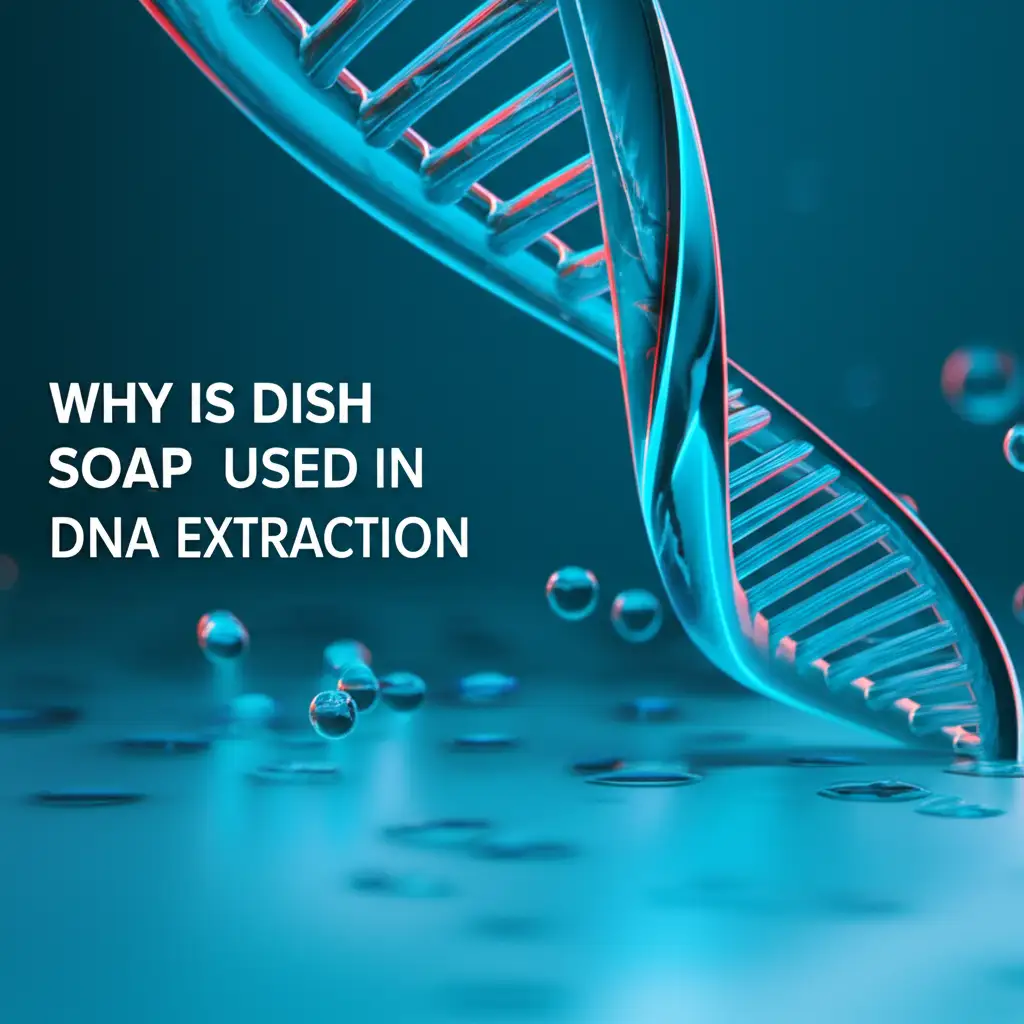
Why Is Dish Soap Used In DNA Extraction? Unlocking Genetic Secrets
Have you ever thought about the hidden powers of everyday items? Most of us use dish soap to clean plates. We might even use it for other household tasks, like giving our car a quick wash can you use dish soap to wash your car. But did you know this common kitchen staple holds a surprising secret? It plays a crucial role in one of science’s most fundamental processes: DNA extraction.
It may seem strange to mix a cleaning product with something as vital as genetic material. However, dish soap is essential for getting DNA out of cells. This article explores the precise reasons why dish soap helps in DNA extraction. We will look at its unique chemical properties. We will also learn how it helps scientists and home experimenters alike. Understanding this process reveals the fascinating chemistry behind a simple, yet powerful, ingredient.
Takeaway:
- Dish soap breaks down cell membranes. It contains surfactants that dissolve lipids.
- This action is called cell lysis. It is the first step in freeing DNA.
- Soap also helps to denature proteins. These proteins are associated with DNA.
- Using dish soap makes DNA accessible for study. It is a simple and effective tool.
Dish soap works by disrupting cell and nuclear membranes. These membranes are made of lipids. Dish soap contains surfactants. These surfactants dissolve the lipid layers. This process releases the DNA from inside the cell. It makes the genetic material available for further steps in extraction.
The Essential Role of Detergents in DNA Extraction
When we talk about DNA extraction, our goal is to separate the cell’s genetic material from its other components. Think of a cell like a tiny house. The DNA is a valuable book stored inside a safe, within the house. To get the book, you first need to get into the house. Then you must open the safe. Dish soap performs the crucial first step. It helps us break open the cell.
Cells have an outer layer called the cell membrane. Plant and fungal cells also have a cell wall. Inside animal cells, DNA is kept in a smaller compartment. This compartment is called the nucleus. Both the cell membrane and the nuclear membrane are made of lipids. They are like fatty barriers. These barriers keep the DNA protected.
Dish soap, or detergent, contains special molecules called surfactants. Surfactants have two parts. One part loves water, and one part hates water but loves fat. This dual nature makes them perfect for breaking down fatty barriers. When you add dish soap to a sample of cells, the surfactants go to work. They insert themselves into the cell membranes. This action makes the membranes fall apart. This process is known as cell lysis.
Understanding Cell Lysis: Breaking Down Barriers
Cell lysis is the first critical step in any DNA extraction protocol. Without it, the DNA remains trapped inside the cells. Imagine trying to read a book while it’s locked in a sealed box. You need to open the box first. Similarly, we must open the cell and its nucleus to access the DNA. The cell membrane is a double layer of lipids, called a phospholipid bilayer. Proteins are embedded within this layer. This structure provides a strong protective barrier.
Dish soap is very good at disrupting this barrier. The surfactant molecules in the soap act like tiny crowbars. They wedge themselves between the lipid molecules in the membrane. This breaks the orderly arrangement of the membrane. The membrane then becomes leaky and eventually collapses. This allows the internal contents of the cell to spill out. These contents include the cytoplasm, organelles, and, most importantly, the nucleus containing the DNA.
For many home DNA extraction experiments, like extracting DNA from a strawberry, you first mash the fruit. This mechanical force helps to break down the cell walls. However, it cannot break down the cell membranes or nuclear membranes effectively on its own. That is where dish soap becomes indispensable. It completes the job of opening up the cells. It makes the DNA ready for the next steps in purification.
Dish Soap’s Secret Weapon: Surfactants at Work
The real power of dish soap in DNA extraction comes from its surfactant molecules. You might notice how dish soap makes water “wetter” or how it cuts through grease. This is the work of surfactants. A surfactant molecule has a hydrophilic (water-loving) head and a hydrophobic (water-hating/fat-loving) tail. This unique structure is what makes them so effective at cleaning and, in this case, dissolving cell membranes.
When surfactants encounter a lipid membrane, their hydrophobic tails are drawn to the fatty lipids. Their hydrophilic heads stay in contact with the surrounding water. This causes the lipid bilayer to destabilize. It breaks apart into smaller fragments. These fragments then form tiny spherical structures called micelles. The lipids from the cell membrane are now trapped within these micelles. They are effectively “dissolved” by the soap.
This process is similar to how dish soap cleans oily dishes. The soap molecules surround and lift the grease off the plate. They allow it to be washed away with water. In DNA extraction, the “grease” is the cell membrane. By breaking down this membrane, the soap frees the DNA that was once encased inside. Different types of dish soap have varying concentrations and types of surfactants. This can affect their efficiency in DNA extraction. For most simple extractions, a common liquid dish soap works well.
Beyond the Cell Membrane: Denaturing Proteins
Breaking open the cell membrane is one crucial job of dish soap. But its role does not stop there. DNA inside the cell is not just floating freely. It is tightly packed and organized with proteins. These proteins are called histones. They help coil the long strands of DNA into compact structures. These structures are chromosomes. Other proteins also perform various functions within the cell. These proteins include enzymes that can break down DNA.
Dish soap also helps to denature these proteins. Denaturation means changing the normal shape of a protein. Proteins need their specific shape to function. When a protein denatures, it loses its shape and thus its ability to function. The surfactants in dish soap interact with the proteins. They disrupt their delicate three-dimensional structures. This makes the proteins unfold and become inactive.
Denaturing proteins serves two important purposes in DNA extraction. First, it frees the DNA from the histone proteins that bind it. This makes the DNA more accessible for isolation. Second, it inactivates enzymes like DNases. DNases are enzymes that would otherwise chop up the DNA. By denaturing these harmful enzymes, dish soap protects the integrity of the extracted DNA. This ensures you get a longer, more intact sample of genetic material. This dual action on both lipids and proteins makes dish soap an incredibly versatile and effective component in the DNA extraction process.
The DNA Extraction Process: A Step-by-Step Guide
Understanding dish soap’s role becomes clearer when we look at the overall DNA extraction process. While specific steps vary depending on the sample, a typical home DNA extraction follows a general sequence. This sequence often involves simple household items. You might use common kitchen supplies, much like you would for everyday tasks like deciding how much dish soap can I use in the washing machine for a load of laundry.
- Sample Preparation (Mechanical Lysis): The first step involves physically breaking down the tissue. For plant samples like strawberries, this means mashing or blending them. This breaks the rigid cell walls. It begins to expose the individual cells.
- Adding Lysis Solution (Chemical Lysis with Dish Soap): After mechanical breakdown, you add a lysis solution. This solution typically contains water, salt, and dish soap. The salt helps neutralize the negative charges on DNA. This allows the DNA strands to clump together later. The dish soap then works its magic. It breaks open the cell and nuclear membranes. It also denatures proteins, as we discussed. You can see how detergent properties are repurposed here, much like when you consider can dish soap be used as dishwasher detergent for a different cleaning job.
- Filtration: Once the cells are lysed, the mixture contains DNA, broken cell parts, and other cellular debris. You filter the mixture, often through cheesecloth or a coffee filter. This removes the larger solid bits, leaving behind a liquid rich in DNA and dissolved cellular components.
- DNA Precipitation: The next step is to make the DNA visible. DNA is soluble in water. You add cold rubbing alcohol (ethanol or isopropanol) to the filtered liquid. Alcohol is less dense than water, so it forms a layer on top. DNA is not soluble in alcohol. As it comes into contact with the alcohol, it precipitates out of the solution. You will see stringy white strands forming where the two layers meet. This is your extracted DNA!
- Collection: You can then carefully spool the DNA strands using a glass rod or toothpick.
Each step builds upon the previous one. Dish soap sets the stage by effectively liberating the DNA from its cellular confines.
Optimizing Your Home DNA Extraction: Tips and Tricks
Performing a home DNA extraction can be an exciting scientific experiment. To get the best results, consider a few key tips:
- Choose the Right Sample: Fruits like strawberries, bananas, or kiwis work well because they have large cells and are polyploid (they have many sets of chromosomes), meaning they yield more DNA. Onions are also good, but have a strong smell.
- Gentle Mashing: While mashing helps break cell walls, avoid overly aggressive mashing. Too much force can shear and break the delicate DNA strands, resulting in shorter fragments.
- Soap Type Matters (Sometimes): Most liquid dish soaps work. Avoid “ultra-concentrated” or “antibacterial” versions that might contain additional chemicals. Simple, clear dish soap is often best. The principles of what makes a good cleaning agent, such as for cleaning jewelry can you use dish soap to clean jewelry, surprisingly align with its ability to break down membranes.
- Temperature: Cold conditions are generally better for DNA extraction. Keep your alcohol very cold in the freezer before use. This helps the DNA precipitate faster and minimizes enzyme activity.
- Salt Concentration: The salt in your lysis solution (e.g., table salt) helps the DNA clump together. It neutralizes the negative charges on the DNA backbone. This makes it easier for the DNA to precipitate when alcohol is added.
- Patience is Key: After adding the alcohol, let the mixture sit undisturbed for several minutes. The DNA will slowly become visible as it precipitates. Don’t shake the container. This can break the fragile DNA strands.
- Clean Tools: Use clean glassware and tools to avoid contamination. Contaminants can degrade the DNA or interfere with its visibility.
By following these simple guidelines, you can maximize your chances of a successful and impressive DNA extraction right in your kitchen.
Why Not Just Any Detergent? The Specifics of Dish Soap
While many types of detergents exist, simple liquid dish soap is often recommended for home DNA extraction. Why? It comes down to its specific formulation and the balance of its properties.
- Mild Surfactants: Dish soaps typically contain mild surfactants. These surfactants are strong enough to break down lipid membranes without being overly harsh. Stronger industrial detergents might completely degrade the DNA.
- Accessibility and Safety: Dish soap is readily available and safe for home use. You don’t need special laboratory chemicals. This makes it ideal for educational purposes and casual experiments.
- Lack of Harsh Additives: Many laundry detergents or specialty cleaners contain enzymes, bleaches, or strong perfumes. These additives can interfere with the DNA extraction process. They might degrade the DNA or create unwanted byproducts. Simple, uncolored, and unscented dish soap is usually the best choice.
- Foaming Properties: While foaming can be an issue in some lab procedures, for home extractions, the foaming action is less critical. The main function is the cell lysis. You may stir gently to avoid excessive foam.
In essence, dish soap provides the perfect balance of effectiveness and simplicity. Its mild yet powerful surfactant action is ideal for safely and efficiently releasing DNA from cells. This makes it a staple in both educational settings and basic scientific demonstrations.
FAQ Section
Q1: Can I use laundry detergent instead of dish soap for DNA extraction? A1: It is generally not recommended. Laundry detergents often contain enzymes, bleaches, or other harsh chemicals. These additives can degrade the DNA or interfere with the extraction process. Stick to a simple liquid dish soap. It usually provides the best results for home experiments.
Q2: What is cell lysis, and why is it important for DNA extraction? A2: Cell lysis is the process of breaking open a cell. This releases its internal contents. It is crucial because DNA is trapped inside the cell and its nucleus. Lysis allows the DNA to be freed from these protective barriers. Without lysis, you cannot access the DNA.
Q3: How much dish soap should I use in my DNA extraction solution? A3: For most home DNA extraction protocols, a small amount is sufficient. A common ratio is about 1-2 teaspoons of dish soap per cup of water. Using too much can create excessive foam. It can also make the final DNA solution harder to purify.
Q4: Does the type of dish soap matter for DNA extraction? A4: Yes, to some extent. Simple, clear liquid dish soap without added perfumes, dyes, or antibacterial agents is best. These additives can sometimes interfere with the DNA or make it harder to see. “Ultra-concentrated” varieties might be too strong.
Q5: What other ingredients are needed for a basic DNA extraction at home? A5: Besides dish soap, you typically need a biological sample (like fruit), water, table salt, and cold rubbing alcohol (ethanol or isopropanol). Tools like a blender, filter (cheesecloth/coffee filter), and clear containers are also helpful.
Q6: What does the salt do in the DNA extraction solution? A6: The salt (sodium chloride) helps the DNA molecules clump together. DNA has a negative charge. The positive ions from the salt neutralize this charge. This makes the DNA less soluble in water and more likely to precipitate out when alcohol is added.
Conclusion
The simple bottle of dish soap in your kitchen holds a fascinating scientific secret. It is not just for cleaning dishes. Dish soap is a vital component in the process of DNA extraction. Its unique chemical structure, with powerful surfactants, allows it to effectively break down cell membranes and denature unwanted proteins. This dual action releases the precious DNA, making it accessible for study and observation.
Understanding why dish soap is used in DNA extraction highlights the remarkable versatility of common household items. It shows how basic chemistry can unlock complex biological processes. Next time you reach for that bottle, remember its surprising role. It is a key player in revealing the blueprint of life itself. Embrace the wonder of science right in your own home with this humble, yet powerful, cleaner.
- DNA extraction
- Cell lysis
- Dish soap uses
- Home science experiments
- Surfactants

Katria Melrose
Cleaning Specialist
With over 12 years of experience in commercial cleaning and a certification in workplace ergonomics, I’ve developed a deep understanding of what makes a workspace truly productive. At HEG, I specialize in helping people transform their home offices into clean, efficient, and comfortable environments. Through smart cleaning routines and strategic organization solutions, I empower readers to create spaces that support focus, comfort, and success—one well-organized desk at a time.