· Todd Martin · Home Safety, Grilling Tips, Appliance Use · 22 min read
Can Propane Grill Be Used Indoors
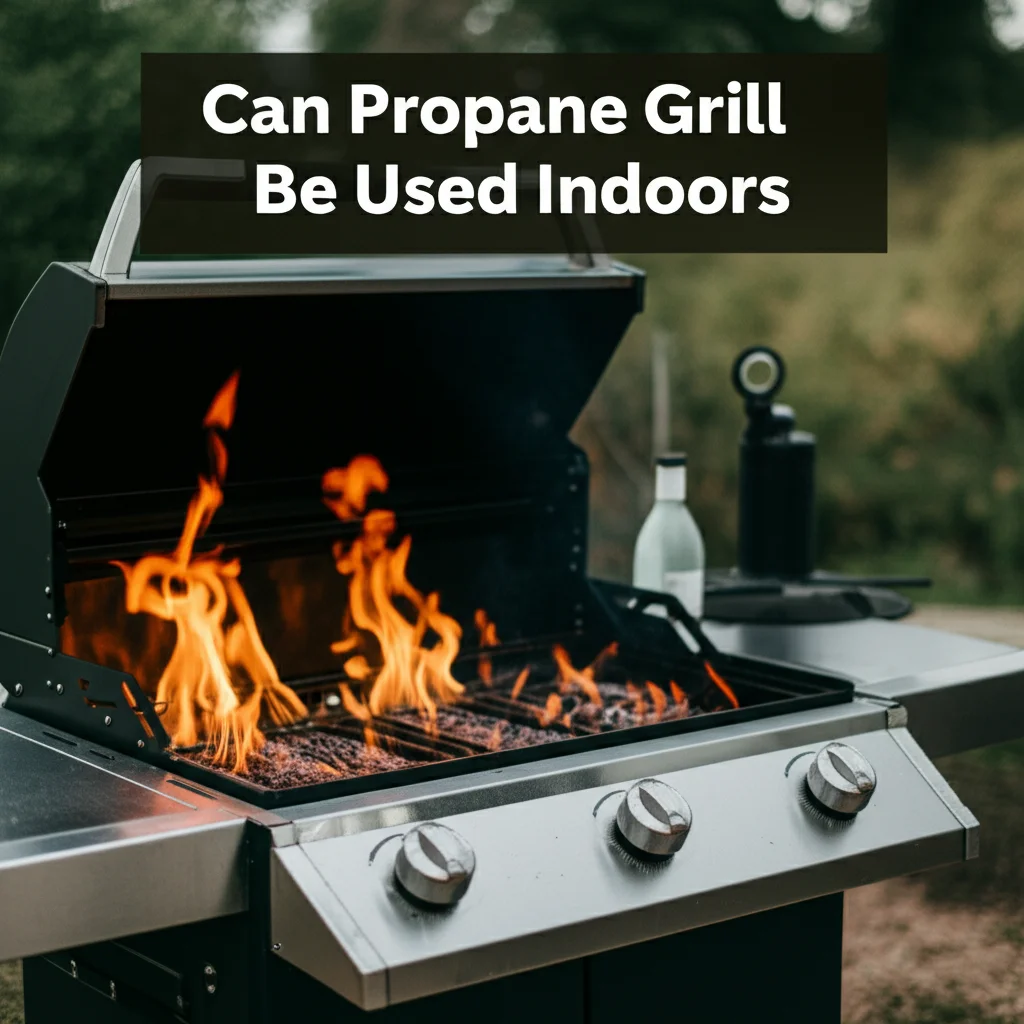
Grill Indoors Safely: Can Propane Grills Be Used Inside?
The aroma of sizzling burgers and grilled vegetables often brings thoughts of warm summer evenings. But what happens when the weather turns bad, or you live in an apartment without outdoor space? Many people wonder: Can a propane grill be used indoors? It’s a question that comes up more often than you might think. We want to enjoy our favorite grilled foods regardless of the circumstances.
This article explores the critical dangers of bringing propane grills inside. We will look closely at the hazards, from invisible gases to fire risks. You will understand why this practice is extremely unsafe. We will also discuss safer cooking methods for indoor use. My goal is to keep you and your loved ones safe while still enjoying delicious meals. Join me as we uncover the facts and find safe solutions for your grilling needs.
Takeaway
- Never use a propane grill indoors. This includes garages, enclosed patios, or any unventilated space.
- Propane grills produce carbon monoxide, a colorless, odorless, and deadly gas.
- The risk of fire and explosion from propane leaks is high indoors.
- Proper ventilation for propane grills cannot be achieved in a home environment.
- Explore safe indoor cooking alternatives like electric grills or stove-top grill pans.
- Always store propane tanks outdoors, away from living spaces.
No, a propane grill must never be used indoors. Propane grills release carbon monoxide, a highly toxic gas, during operation. They also pose a significant fire and explosion risk due to gas leaks and flare-ups. Proper ventilation for such appliances is impossible to achieve safely within a home or any enclosed structure.
The Harsh Reality: Why Propane Grills Don’t Belong Indoors
You might imagine grilling a steak on your propane grill right in your kitchen, especially when rain hits. However, this appealing thought holds serious dangers. Using a propane grill inside a house, garage, or any enclosed space is a grave mistake. It introduces immediate and severe risks to your health and safety. These risks far outweigh any convenience it might offer.
Propane grills are designed for outdoor use. Their design assumes an open-air environment. They require vast amounts of fresh air for safe operation. This air helps to disperse combustion byproducts safely. Your home simply cannot provide this level of airflow. It traps harmful substances and heat.
Think about the way grills operate. They burn propane, which is a fossil fuel. This burning process creates exhaust fumes. These fumes are not like the steam from a pot of boiling water. They contain dangerous gases. Ignoring this fundamental safety rule can lead to tragic consequences.
Many people underestimate the hidden dangers. They think a partially open window is enough. This is incorrect. A small opening does not provide the ventilation needed. The dangers are real and well-documented. Always prioritize safety over convenience when grilling.
Understanding the Immediate Threats
When a propane grill operates, it consumes oxygen from the air. At the same time, it releases several byproducts. These byproducts include carbon dioxide and, more dangerously, carbon monoxide. Even in small amounts, carbon monoxide can be deadly. It builds up quickly in enclosed spaces.
Another immediate threat is the risk of fire. Propane is a highly flammable gas. A leak, a faulty connection, or even a sudden flare-up can ignite. Indoors, there is nowhere for the gas to dissipate. Flames can quickly spread to nearby curtains, furniture, or other combustible materials. The results can be devastating.
Explosions are also a possibility. Propane gas, if it accumulates in an enclosed space and finds an ignition source, can explode. This is not a rare event. It happens more often than people realize. The smallest spark, even from static electricity, can trigger it.
Always remember that propane grills are outdoor appliances. Their construction and operation are specific to an outdoor setting. Bringing them inside changes their entire safety profile. It transforms a useful outdoor tool into a dangerous indoor hazard.
Understanding Carbon Monoxide: The Silent Killer
Carbon monoxide, often called “the silent killer,” is one of the most insidious threats posed by using a propane grill indoors. It is a colorless, odorless, and tasteless gas. You cannot see it, smell it, or taste it. This makes it incredibly dangerous. People can be exposed to lethal levels without realizing it.
Propane grills, like all combustion appliances, produce carbon monoxide (CO) as a byproduct. When propane burns completely, it produces carbon dioxide and water vapor. However, incomplete combustion occurs often, especially in poorly ventilated areas. This incomplete burning leads to carbon monoxide production. The more restricted the airflow, the higher the risk of CO buildup.
Carbon monoxide poisoning occurs when CO gas enters the bloodstream. It binds with hemoglobin, the part of red blood cells that carries oxygen. CO binds much more readily than oxygen does. This means CO replaces oxygen in the blood. The body’s vital organs, like the brain and heart, become deprived of oxygen. This oxygen starvation leads to severe health problems and, ultimately, death.
Symptoms of carbon monoxide poisoning can be subtle at first. They often mimic common illnesses like the flu. Early signs include headaches, dizziness, nausea, and fatigue. As exposure continues, symptoms worsen to confusion, vomiting, chest pain, and loss of consciousness. Prolonged exposure, even at low levels, can cause permanent brain damage. High levels can kill in minutes.
Protecting Your Home from CO
A carbon monoxide detector is a vital safety device for every home. Place detectors on every level of your home, especially near sleeping areas. These devices provide an early warning. They alert you to the presence of CO gas. This gives you time to evacuate.
However, a CO detector is a backup, not a solution. It does not make it safe to use a propane grill indoors. The detector tells you when a dangerous situation already exists. It does not prevent the gas from being produced. The primary rule remains: never use a propane grill inside.
Even portable propane heaters, designed for some indoor use, require extreme caution. They need specific ventilation requirements. A propane grill produces far more CO than a small heater. It is simply not designed for any indoor environment. Do not take chances with carbon monoxide.
Regular maintenance of outdoor grills helps reduce CO emissions during outdoor use. For example, keeping the grill clean ensures efficient combustion. You can learn more about how to maintain your grill by checking out guides like how to clean propane grill. This keeps the burners clear. Clean burners improve airflow and reduce the likelihood of incomplete combustion.
Fire Hazards and Explosions: Beyond Carbon Monoxide
While carbon monoxide is a silent killer, propane grills indoors pose other immediate and terrifying dangers. Fire and explosions are very real risks. These dangers come from the highly flammable nature of propane gas itself. When propane is contained in a tank, it is under high pressure. This adds another layer of risk.
A propane grill operates using an open flame. This flame, combined with the presence of combustible materials found throughout any home, creates a dangerous situation. Think about curtains, carpets, wooden furniture, and even wall coverings. All of these can ignite quickly. A small flare-up, which is common during grilling, can easily spread.
Gas leaks are a serious concern. Propane tanks and grill connections can develop leaks. Hoses might become brittle or cracked over time. A loose fitting or a faulty valve can release gas into the air. Indoors, this gas has nowhere to go. It accumulates quickly, creating an invisible cloud of highly flammable vapor.
Even a tiny spark can ignite this accumulated gas. This spark could come from a light switch, a refrigerator cycling on, or even static electricity. The result is often a flash fire or a violent explosion. Such incidents can cause severe burns, structural damage to your home, and even fatalities. No delicious meal is worth this risk.
Preventing Fire and Explosion
You must handle propane tanks with extreme care. Always check hoses and connections for damage before each use. Look for cracks, abrasions, or signs of wear. Use a soapy water solution to check for leaks; bubbles indicate escaping gas. This is a good practice for how to clean gas grill components as well.
The storage of propane tanks is also crucial. Never store propane tanks indoors, not even empty ones. Heat can cause pressure to build up inside the tank. This pressure can cause a tank to vent or even explode. Always store tanks upright in a well-ventilated outdoor area. Keep them away from direct sunlight and heat sources.
Grill maintenance helps prevent dangerous flare-ups. Grease buildup is a major cause of grill fires. Regularly cleaning your grill grates and drip trays is essential. Guides like how to clean a grill grate provide helpful tips. Remove food debris and grease. A clean grill operates more safely and efficiently.
Consider the environment around your grill, even when used outdoors. Keep the grill clear of overhanging branches, dry leaves, or any other flammable materials. Always have a fire extinguisher nearby when grilling. These precautions are even more critical when contemplating indoor use, which, as we established, is not an option.
Proper Ventilation: Why It’s Impossible for Propane Grills Indoors
Effective ventilation is the cornerstone of safe appliance operation. This is especially true for appliances that burn fuel. Propane grills release a substantial volume of combustion byproducts. These byproducts include carbon monoxide, carbon dioxide, and other particulate matter. Dispersing these gases safely requires an enormous amount of fresh air. A typical home environment simply cannot provide this.
Imagine the air exchange rate in your kitchen. It is designed to remove cooking fumes, steam, and some odors. It is not designed to handle the exhaust from an outdoor grill. A kitchen fan, even a powerful one, is insufficient. It moves air within a small space. It cannot bring in enough fresh air to dilute and remove the dangerous gases produced by a propane grill.
Outdoor air allows for unlimited dilution. Gases dissipate quickly into the vast atmosphere. Indoors, these gases get trapped. They build up in concentration. This leads to dangerous levels of carbon monoxide. It also creates a stuffy, unhealthy environment filled with smoke and grease.
The design of propane grills reflects their outdoor purpose. They lack sealed combustion systems. They do not have exhaust vents that can be connected to a chimney or flue. These are features found in safe indoor gas appliances like furnaces or water heaters. Trying to jury-rig a ventilation system for a grill indoors is incredibly dangerous. It would likely fail to meet safety standards.
The Dangers of Inadequate Ventilation
When ventilation is poor, the air quality inside your home deteriorates rapidly. This is not just about odors. It is about breathable air becoming toxic. You might experience immediate symptoms from smoke and fumes. These include eye irritation, coughing, and shortness of breath. The more insidious danger comes from the invisible gases.
Even a garage, which might seem like a large, open space, is not safe. A garage is an enclosed structure. It traps gases just like a house does. Opening the garage door offers some airflow, but it is still insufficient. Vehicles running in garages are a known source of carbon monoxide poisoning. A propane grill presents the same risk.
Consider the health impacts on everyone in the home. Children, the elderly, and those with respiratory conditions are especially vulnerable. Their bodies are less able to cope with oxygen deprivation. Even pets can be affected by poor indoor air quality.
Some people consider using a grill on a covered patio or screened-in porch. If these areas are enclosed on multiple sides and lack significant airflow, they act like indoor spaces. The same dangers apply. Any space that does not allow for immediate, wide dispersal of fumes is unsafe for a propane grill. Always think of open air as truly open air.
Safer Alternatives for Indoor Grilling and Cooking
The desire for grilled flavors indoors is understandable. Fortunately, you do not have to risk your safety to enjoy that smoky taste. Several excellent alternatives allow you to cook similar foods indoors safely. These options provide great results without the dangers of carbon monoxide or fire. They let you cook delicious meals no matter the weather outside.
One popular and safe option is an electric grill. These appliances come in various sizes, from compact tabletop models to larger stand-alone units. Electric grills do not use propane or natural gas. They heat food using electricity. This means no open flames, no combustion byproducts, and no carbon monoxide.
Many electric grills feature non-stick surfaces and drip trays for easy cleaning. They offer precise temperature control. You can achieve those desirable grill marks and sear foods effectively. They are perfect for apartments, condos, or homes without outdoor grilling space. You simply plug them into a standard electrical outlet.
Another fantastic alternative is a stove-top grill pan. These are typically made of cast iron or heavy-duty aluminum. They have raised ridges that mimic grill grates. You place them directly on your stove burner. They get very hot and create those signature char marks. While they might produce some smoke, a good kitchen range hood can handle it.
Exploring More Indoor Cooking Solutions
Beyond electric grills and grill pans, several other appliances can help you achieve similar cooking results. These options prioritize safety and convenience. They let you expand your culinary repertoire without any risk. Many homes already have some of these versatile tools.
- Broiler in Your Oven: Your oven’s broiler setting uses direct top-down heat, similar to a grill. It is excellent for searing meats, vegetables, and even some fruits. Place food on a baking sheet and position it close to the heat element. Keep a close eye on it, as food cooks quickly under the broiler. This method gives you excellent caramelization.
- Indoor Electric Griddles: While not strictly “grills,” electric griddles are wonderful for cooking many grill-friendly foods. They are perfect for pancakes, bacon, eggs, and even grilled sandwiches. Some larger models have enough space for burgers or chicken. They offer even heat distribution.
- Air Fryers: Modern air fryers can do more than just fry. Many have grill attachments or settings. They use circulating hot air to cook food. This can give a crispy exterior, somewhat similar to grilling. They are great for chicken wings, small vegetables, and even some cuts of meat. They are compact and easy to clean.
- Smokeless Indoor Grills: These are a specialized type of electric grill. They are designed to minimize smoke production. They often feature water-filled drip trays or advanced heating elements. They are perfect for apartments where excessive smoke is an issue. They allow you to enjoy grilled food without setting off smoke alarms.
Remember, proper ventilation is still important even with these indoor methods. A good range hood above your stove helps remove smoke and odors. For electric grills, ensure good air circulation in your kitchen. These alternatives allow you to enjoy grilled tastes safely, right inside your home.
Outdoor Grilling Safety Essentials
While we established that propane grills are strictly for outdoor use, it is equally important to use them safely outdoors. Grilling is a beloved pastime, but it carries inherent risks. Understanding and following safety practices ensures everyone enjoys the experience. A well-maintained grill performs better and lasts longer.
Always place your grill on a flat, stable surface. Keep it far away from your house, garage, deck railings, and any overhanging trees or shrubs. A good rule of thumb is at least 10 feet from any structure. This creates a safe zone around the grill. It prevents accidental fires from spreading.
Never leave a lit grill unattended. Flames can flare up suddenly, especially when cooking fatty meats. Grease fires can happen. If you must step away, turn off the burners or have someone else watch the grill. Children and pets should always be kept away from the grill area. Set clear boundaries for them.
Keep a fire extinguisher or a bucket of sand nearby. Never use water on a grease fire; it can spread the flames. If a grease fire starts, turn off the burners, close the lid, and let the fire extinguish itself. If it gets out of control, evacuate and call emergency services. Being prepared can save lives and property.
Maintaining Your Outdoor Grill for Safety and Performance
Regular cleaning and maintenance are vital for safe grilling. Grease and food debris can build up over time. This buildup is a fire hazard. It also affects the grill’s performance. A clean grill heats more evenly and cooks food better. It also reduces smoke and flare-ups.
- Clean Grill Grates: After each use, scrape food residue from the grates. Once cool, give them a deeper clean. You can find many methods for this, such as how to clean grill grates with aluminum foil or a brush. Remove stuck-on food.
- Empty Drip Tray: Grease collects in the drip tray. If this tray overflows or catches fire, it is dangerous. Empty and clean it regularly. Some trays can be lined with foil for easier disposal.
- Inspect Gas Hoses and Connections: Before each use, visually inspect the gas hose for cracks, abrasions, or holes. Test for leaks using a soapy water solution. Apply the solution to connections; bubbles indicate a leak. If you find a leak, replace the hose or fitting immediately. Learn more about maintaining your gas grill by checking out articles like how to clean burners on gas grill.
- Clean Burner Tubes: Over time, burner ports can get clogged with food particles or insect nests. This affects gas flow and flame quality. Carefully clean the burner tubes. Use a wire brush or a small wire to clear the ports. This ensures even heat and prevents dangerous gas buildup. For general tips on gas grills, consider reading how to clean gas grill.
- Check Igniter: Make sure your igniter works properly. If it fails, use a long match or lighter to light the grill. Never lean over the grill to light it.
Proper storage of your grill after use is also important. Cover the grill to protect it from the elements. This prevents rust and keeps components clean. Store propane tanks according to safety guidelines, separate from the grill.
Propane Tank Storage and Handling: A Critical Overview
Propane tanks are powerful containers of highly flammable gas. Their safe handling and storage are crucial for preventing accidents. Many people overlook these safety details. Understanding how to manage your propane tank significantly reduces risks. Never underestimate the potential danger of a misplaced or mishandled tank.
The golden rule for propane tanks is clear: always store them outdoors. This applies whether they are full, partially full, or even empty. Empty tanks still contain residual propane gas and pressure. They can be just as dangerous as full ones if not handled correctly.
Why outdoor storage? Because propane expands with heat. If a tank is stored indoors, and the temperature rises significantly (e.g., in direct sunlight or near a heat source), the pressure inside the tank can build to dangerous levels. Modern tanks have a pressure relief valve. This valve releases propane if the pressure gets too high. While this valve is a safety feature, releasing flammable gas indoors creates an immediate fire and explosion hazard.
Store tanks in a well-ventilated area. Keep them upright on a stable surface. This prevents them from tipping over. Secure them to prevent accidental falls. Keep tanks away from direct heat sources like furnaces, water heaters, or open flames. Also, ensure they are away from any ignition sources like electrical outlets or pilot lights.
Transporting and Connecting Propane Tanks Safely
Transporting propane tanks also requires attention to safety. Never transport tanks inside the passenger compartment of your vehicle. If a leak occurs, the gas can accumulate quickly, posing a significant explosion risk. Always transport tanks upright in the bed of a truck or the trunk of a car. Ensure they are secured so they cannot tip or roll.
When connecting a propane tank to your grill, take your time and follow these steps:
- Check for Damage: Before connecting, visually inspect the tank and valve for any signs of damage. Look for dents, rust, or leaks. Do not use a damaged tank.
- Ensure Connections are Clean: Make sure the connection point on both the tank and the grill hose is clean and free of debris.
- Tighten Securely: Connect the hose to the tank valve. Hand-tighten it firmly. Most modern connections only need hand-tightening. Do not overtighten, as this can damage the seal.
- Leak Test: After connecting, open the tank valve slowly. Then, perform a leak test using soapy water. Spray or brush a solution of soapy water onto all connections. If you see bubbles forming, there is a leak. Tighten the connection or replace the faulty part. Never use an open flame to check for leaks.
- Store Outdoors: Once connected, or even before, the tank should remain outdoors. Do not bring the grill or tank inside after cooking. Disconnect the tank if you store the grill away for an extended period.
Proper maintenance of the tank itself is outside user responsibility. Tanks are periodically re-qualified. Check the date on the tank. If it is expired, exchange it for a new one. Never attempt to refill a tank beyond its safe capacity. Always have tanks refilled by a qualified professional. Following these guidelines ensures safe use of your propane grill outdoors, which is where it belongs.
Why Even a Garage is Not a Safe Space for Grilling
The question often arises: “What about the garage? It’s big, and I can open the door.” While a garage might seem like a semi-outdoor solution, it is fundamentally an enclosed space. This means it carries nearly all the same dangers as grilling inside your home. It lacks the critical element of truly open-air ventilation.
Garages are usually attached to homes or at least are part of a larger structure. Any fumes, especially carbon monoxide, can easily drift from the garage into your living areas. Even with the main garage door open, cross-ventilation is often poor. Air pockets can form where dangerous gases accumulate. The lack of constant, wide-open airflow makes it a high-risk environment.
The materials in a garage also contribute to fire risk. Garages often store flammable items like gasoline cans, paints, cleaning solvents, and oily rags. A grill flare-up or a propane leak can quickly ignite these materials. The resulting fire can spread rapidly. This poses a threat not only to the garage but to your entire home.
Moreover, garage doors are not designed to provide the same level of ventilation as being entirely outdoors. They restrict airflow, especially vertically. Exhaust fumes, which are often heavier than air, can settle and build up near the floor. This makes the garage a dangerous trap for carbon monoxide and propane gas.
Risks Associated with Garage Grilling
Even if you intend to grill “just for a few minutes,” the risks are present from the moment you light the grill. It does not take long for carbon monoxide to reach dangerous levels. Fire hazards exist from the first spark. There is no such thing as “safe garage grilling.”
- Carbon Monoxide Buildup: Garages, despite their size, are still enclosed. CO can rapidly accumulate, poisoning occupants without warning. Opening a door is not enough for proper air exchange.
- Fire Spread: Garages house vehicles, which contain flammable liquids and materials. Storage shelves often hold paints, thinners, and other combustibles. A grill fire in this environment can quickly become uncontrollable.
- Explosion Risk: Propane leaks can fill a garage with invisible, explosive gas. A spark from a light switch, a car engine, or even a static discharge can trigger a devastating explosion.
- Proximity to Living Space: Garages are almost always connected to the home. Carbon monoxide and smoke can easily seep through doors and vents into your living areas, affecting everyone inside.
- Legal and Insurance Implications: Using a grill indoors or in a garage often violates local fire codes and manufacturer warnings. In case of an accident, your homeowner’s insurance might deny claims.
Some people consider using small, portable propane grills meant for camping. While these are smaller, they still burn propane and produce carbon monoxide. They are also strictly for outdoor use. Their compact size does not make them safe for indoor or garage use. Any propane combustion appliance requires ample outdoor ventilation.
Grilling During Bad Weather: Safe Alternatives and Mindset
Bad weather can certainly spoil outdoor grilling plans. Rain, snow, high winds, or extreme cold make standing outside with a grill less appealing. It is precisely during these times that people might consider unsafe indoor grilling options. However, your safety must always be the top priority. There are smart ways to get that delicious grilled flavor, even when the elements are against you.
First, embrace the safe indoor alternatives we discussed earlier. Electric grills are designed for indoor use. Stove-top grill pans and broilers in your oven can perfectly char and cook food. These methods allow you to enjoy grilled tastes without any risk to your health. Investing in one of these appliances is a wise choice for year-round grilling enjoyment.
Second, consider temporary outdoor solutions. If rain is light, a large umbrella or a pop-up canopy can provide enough shelter for your grill. Ensure good ventilation under the canopy. Do not use an enclosed tent or shelter; it will trap fumes. The goal is to keep you dry while the grill remains fully exposed to the open air. Always maintain proper clearances from any canopy material to prevent fire.
Third, adjust your mindset. Grilling is often a seasonal activity for many. Embrace the changing seasons and the different cooking methods they encourage. Winter might be a time for slow-cooked stews, roasted meats, or oven-baked dishes. Summer is perfect for outdoor grilling. This seasonal approach helps you appreciate each cooking style.
Planning Ahead for Grill-Friendly Weather
Sometimes, planning ahead can prevent frustration during bad weather. Check the forecast before you plan a barbecue. If rain or extreme temperatures are expected, have a backup plan. This could be preparing an indoor meal or rescheduling your outdoor grill session.
- Weather Apps: Use reliable weather apps to monitor conditions. Look for rain, wind warnings, or extreme temperature alerts.
- Flexible Menu: Have a flexible menu. If grilling is not possible, have ingredients ready for an alternative meal that can be cooked indoors.
- Covered Outdoor Area: If you have a covered patio or deck that is open on at least two sides and provides significant airflow, this can be a suitable grilling spot during light rain. Remember, “open” is the key. An enclosed patio is still dangerous.
- Maintenance for All Seasons: Keep your outdoor grill in good working order year-round. Clean it thoroughly, even if you are not using it often in winter. This makes it ready when good weather returns. You can check out tips on [how to clean your grill](https://homeessentialsguide.com/how-to-clean
- propane grill safety
- indoor grilling dangers
- carbon monoxide poisoning
- ventilation for grills
- electric grills indoors
- grilling alternatives

Todd Martin
Senior Writer
With over 15 years of experience in home renovation and design, I started HEG to share what I’ve learned with homeowners who want to create spaces that are both beautiful and functional. I’ve always believed in a hands-on approach, and over the years, I’ve picked up practical solutions that actually work. Through HEG, I aim to make home improvement more approachable, sharing real tips that help you create a home you truly love.