· Katria Melrose · Home Staging · 13 min read
Does Area Rug In Tiled Sunroom Help Sell House
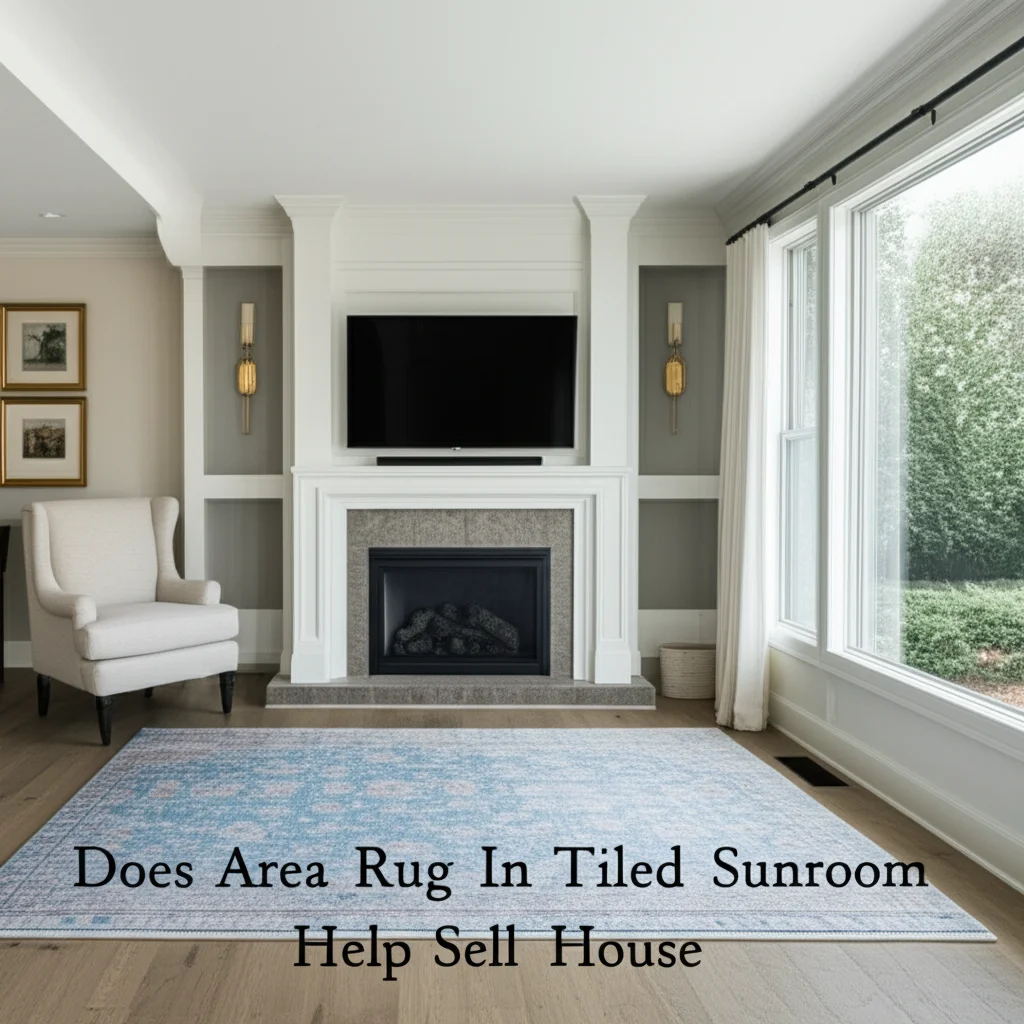
Does An Area Rug In Your Tiled Sunroom Help Sell Your House?
Stepping into a sunroom should feel like an inviting escape. Often, sunrooms feature practical tiled floors. These floors can sometimes feel cold or impersonal. This makes you wonder about the overall impact on potential buyers. We all want our homes to make the best possible first impression.
You might ask if an area rug in a tiled sunroom truly helps sell a house. The answer is yes, it often does. A well-chosen area rug instantly transforms the space. It adds warmth, defines areas, and enhances the visual appeal. This article explores how a simple rug can boost your home’s marketability. We cover everything from aesthetics to practical benefits and maintenance tips.
Takeaway
- Boosts Aesthetics & Comfort: Area rugs add warmth, color, and texture, making tiled sunrooms more inviting.
- Defines Space: Rugs help delineate functional zones, making the sunroom appear more purposeful.
- Improves Acoustics: They absorb sound, reducing echoes common in rooms with hard surfaces.
- Enhances Safety: Rugs can prevent slips on smooth tiled floors, especially for children or pets.
- Protects Floors: They shield tiles from scratches and wear in high-traffic areas.
- Appeals to Buyers: A staged sunroom with a rug shows off its full potential, leading to positive buyer perception.
- Cost-Effective Staging: It is an affordable way to upgrade a sunroom’s look for showings.
Yes, an area rug in a tiled sunroom can significantly help sell a house. It elevates the room’s comfort and visual appeal. This small addition makes the sunroom feel more like a livable extension of the home. It positively influences buyer perception and interest.
Elevating Sunroom Appeal: The Area Rug Advantage
A sunroom often serves as a beautiful transition space. It connects the indoors with the outdoors. Many sunrooms feature tiled floors. Tiles are durable and easy to clean. However, they can also make a room feel stark. This can reduce its overall warmth.
Adding an area rug changes this perception. It instantly brings softness and texture to the space. Buyers often look for comfort and a lived-in feel. A rug helps achieve this welcoming atmosphere. It transforms a functional room into a cozy retreat.
Consider the visual impact when a potential buyer walks in. A bare tiled floor might seem cold and unwelcoming. A strategically placed rug, however, adds a layer of sophistication. It makes the sunroom feel like a true extension of the living space. This subtle change can significantly influence a buyer’s emotional response. Their positive feelings about the sunroom can translate to positive feelings about the entire house.
Creating Coziness and Warmth in Your Sunroom
Tiled floors are practical for sunrooms. They handle moisture and sunlight well. Yet, they lack the inherent warmth of carpet or wood. This can make the sunroom feel chilly, especially on cooler days. Buyers often seek homes that offer comfort in every room.
An area rug introduces a sense of coziness. It insulates the floor both physically and visually. Placing your feet on a soft rug feels much nicer than on cold tiles. This simple comfort can make a big difference to prospective buyers. They imagine themselves enjoying the room.
The visual warmth also plays a key role. A rug introduces color and pattern. It breaks up the monotony of a large tiled surface. This creates a more inviting and visually interesting space. I remember staging a sunroom with a large, plush rug. The comments from viewers immediately changed from “nice space” to “what a comfortable room!”
Choosing the right material enhances this effect. Natural fibers like wool offer softness and durability. Synthetic rugs, such as polypropylene, resist fading and moisture. They are perfect for sunny, high-traffic areas. Always consider the sunroom’s specific conditions. This ensures the rug not only looks good but also performs well. Proper selection ensures lasting appeal and comfort.
Defining Spaces and Improving Aesthetics with Rugs
Sunrooms are often open spaces. They can sometimes lack clear functional areas. A large tiled floor might feel like one big expanse. Buyers prefer to see how they can use a room. This is where an area rug becomes a powerful staging tool.
An area rug helps to define zones within the sunroom. You can place a rug under a seating arrangement. This creates a cozy conversation area. Another rug might go under a small dining table. This clearly marks a casual eating spot. These defined areas make the sunroom more purposeful.
From an aesthetic standpoint, rugs add visual interest. They introduce color, pattern, and texture. This complements existing furniture and decor. A rug can tie together different elements in the room. It creates a cohesive and polished look. This helps the sunroom feel more finished.
Consider the dimensions of your sunroom. A large rug grounds the main seating area. Smaller rugs can highlight specific features or pathways. Proper placement guides the eye. It makes the room feel balanced. This thoughtful design improves overall appeal. It helps buyers visualize the sunroom’s full potential.
Practical Benefits: Sound Dampening and Floor Protection
Beyond aesthetics, area rugs offer practical advantages in a tiled sunroom. Tiled floors are hard surfaces. They tend to reflect sound. This can lead to echoing in the room. Conversations might sound muffled or unclear.
An area rug helps absorb sound waves. It reduces echoes significantly. This creates a quieter and more pleasant acoustic environment. Buyers often notice subtle elements like sound quality. A quieter room feels more peaceful and comfortable. This contributes positively to their overall impression of the home.
Rugs also provide floor protection. Tiled floors are durable, but they can still scratch. Moving furniture or dropping objects can cause damage. An area rug acts as a protective layer. It shields the tiles from daily wear and tear. This is especially important in high-traffic zones.
Furthermore, rugs add a layer of slip resistance. Tiles, especially when wet, can be slippery. A rug provides a more secure footing. This enhances safety for occupants. Use a non-slip rug pad underneath the rug. This prevents the rug from sliding on the smooth tile. A rug pad also adds extra cushioning. This makes the rug feel softer underfoot. Learn how to attach a rug pad to a rug for best results. This small addition provides comfort and security. It shows buyers the home is well-maintained and safe.
Selecting the Ideal Area Rug for Your Sunroom
Choosing the right area rug for your sunroom is crucial. The rug should complement the sunroom’s function and style. Consider the amount of sunlight the room receives. This impacts rug material and color choices. Direct sunlight can cause some dyes to fade over time.
Opt for materials that can withstand sun exposure. Synthetic fibers like polypropylene are excellent choices. They are fade-resistant and easy to clean. Indoor/outdoor rugs are also perfect for sunrooms. They handle high humidity and temperature fluctuations well. Natural fibers like jute or sisal offer a casual, organic look. However, they might be more prone to moisture damage if the sunroom is not fully insulated.
Size and placement are equally important. The rug should be large enough to define the space. For a seating area, furniture legs should ideally sit on the rug. At least the front legs of major pieces should be on it. This creates a cohesive grouping. For a dining area, the rug should extend far enough. This allows chairs to remain on the rug even when pulled out. Need help with placement? See how to position an area rug in a bedroom for general layout tips.
Color and pattern should enhance the room’s existing decor. Light colors make a room feel larger and brighter. Darker colors add depth and hide dirt. Patterns can introduce personality and hide minor stains. Balance the rug’s design with the sunroom’s overall aesthetic. A busy rug might overwhelm a small space. A subtle pattern adds elegance without distraction. The goal is to create a harmonious and inviting environment.
Maintaining Your Sunroom Area Rug for Showings
A clean, well-maintained area rug is essential for home showings. Even the most beautiful rug can detract from your home’s appeal if it looks dirty or worn. First impressions are vital for potential buyers. A clean rug signals that the home is well cared for.
Regular cleaning is key. Vacuum your sunroom rug frequently. This removes loose dirt and debris. For deeper cleaning, follow the manufacturer’s recommendations. Many synthetic rugs can be spot cleaned easily. For wool or other delicate materials, consider professional cleaning. Learn how to deep clean a rug to ensure it looks its best. Spills should be addressed immediately. Blot, do not rub, to prevent stains from setting.
Address common issues like bumps or curling edges. These can be tripping hazards. They also make the rug look untidy. Simple techniques can flatten bumps. Check out tips on how to get bumps out of area rugs. Use rug grippers or a rug pad to keep edges flat. This also prevents the rug from slipping on the tiled floor. A non-slip pad is crucial. It ensures safety and keeps the rug perfectly positioned. For more general rug care advice, you can also explore how to clean an area rug DIY.
Before showings, give the rug a final vacuum. Fluff up the pile if it’s a shaggier rug. Ensure no pet hair or lint is visible. A clean, fresh-smelling rug enhances the sunroom’s appeal. It makes the entire space feel more inviting and ready for new owners.
Potential Downsides and How to Address Them
While area rugs offer many benefits, there are potential downsides. Understanding these helps you make the best decision. The most common concern is maintenance. Sunrooms typically see high foot traffic. They also have direct sun exposure. This means rugs can get dirty quickly. Fading is another issue for some materials.
To address maintenance, choose durable, easy-to-clean materials. Synthetic rugs like polypropylene are ideal. They resist stains and fading. Regular vacuuming is crucial. Spot cleaning helps with spills. Consider hiring a professional rug cleaner periodically. This ensures deep cleaning and extends the rug’s life. If you have pets, this is even more important. A well-maintained rug always looks better.
Another potential issue is the rug’s impact on a buyer’s personal style. Some buyers prefer a minimalist look. They might prefer bare tiles. A rug that is too bold or too specific in style might deter them. This is especially true if their decor tastes differ.
The solution here is to choose a neutral rug. Select colors and patterns that have broad appeal. Greys, creams, and subtle blues are often safe choices. A textured, solid-colored rug can add warmth without imposing a specific design. The goal is to enhance the space, not to dictate its style. The rug should complement the room, not dominate it. This way, it appeals to a wider range of buyers. A well-chosen rug adds value and appeal.
Overall Impact on Buyer Perception and Home Value
The primary goal of home staging is to appeal to potential buyers. It aims to maximize your home’s perceived value. An area rug in a tiled sunroom plays a significant role in this. It transforms a potentially cold and echoing space. It makes it into a warm, inviting, and functional room.
Buyers are often looking for turn-key homes. They want to visualize themselves living there comfortably. A well-staged sunroom with a thoughtfully placed rug achieves this. It demonstrates the room’s versatility. It highlights how the space can be used for relaxation or entertaining. This visual appeal can directly influence their decision-making process.
The overall impression of the house improves. A sunroom that feels cozy and complete adds to the home’s perceived livability. This translates into a higher perceived value. While a rug itself doesn’t add thousands to an appraisal, it contributes to the “wow factor.” This factor can encourage quicker offers. It can also support a stronger asking price.
In essence, an area rug is a strategic staging tool. It addresses common drawbacks of tiled sunrooms. It enhances comfort, defines zones, and adds aesthetic appeal. For most potential buyers, these improvements create a more desirable home. This positive perception helps sell your house faster and potentially for a better price. It makes the sunroom a true asset rather than just an extra room.
FAQ Section
Q1: What size rug is best for a sunroom?
A1: The best rug size defines your sunroom’s functional area. For a seating arrangement, ensure at least the front legs of major furniture pieces rest on the rug. For a dining area, the rug should extend beyond the chairs when they are pulled out. This creates a cohesive and well-proportioned look.
Q2: What type of rug material is suitable for a sunroom?
A2: Choose materials that can withstand sunlight and humidity. Synthetic fibers like polypropylene are ideal because they resist fading and moisture. Indoor/outdoor rugs are also excellent choices. Natural fibers like jute or sisal can work but may require more care if moisture is present.
Q3: How do I keep a sunroom rug from slipping on tiles?
A3: To prevent a rug from slipping on tiled floors, always use a high-quality non-slip rug pad. This pad provides grip and stability. It also adds an extra layer of cushioning for comfort. A good rug pad helps prevent trip hazards and keeps the rug in place.
Q4: Does a rug make a sunroom feel smaller?
A4: Not necessarily. A well-chosen rug can actually make a sunroom feel more defined and inviting. If the rug is too small, it can make the room feel disjointed. A larger rug that properly defines a seating or dining area can visually expand and organize the space.
Q5: Should the rug match the rest of the house’s decor?
A5: The rug should complement the sunroom’s style and the home’s overall aesthetic. For staging, choose neutral colors and subtle patterns. This ensures broad appeal. The rug should enhance the space without imposing a specific design taste on potential buyers.
Q6: How often should I clean my sunroom area rug before showings?
A6: Vacuum your sunroom rug regularly, ideally daily or every other day, leading up to showings. Address any spills immediately with spot cleaning. Consider a deeper clean or professional cleaning if the rug has heavy foot traffic or visible stains. A fresh, clean rug makes a great impression.
Conclusion
Placing an area rug in a tiled sunroom can significantly help sell your house. It transforms a functional but often cold space into a warm, inviting retreat. The rug adds essential comfort and aesthetic appeal. This makes the sunroom feel like a truly livable extension of the home. This seemingly small detail leaves a big impression on potential buyers.
We explored how rugs provide warmth, define spaces, and improve acoustics. They also protect floors and enhance safety. Choosing the right material and size is key for maximum impact. Proper maintenance ensures the rug always looks its best. By addressing common concerns, you can maximize the benefits. A thoughtfully staged sunroom with a beautiful rug contributes to a positive buyer perception. It can help you achieve a quicker sale and potentially a better price. Elevate your home’s appeal with this simple yet powerful staging tool. It makes your sunroom shine.
- home staging
- sunroom design
- real estate appeal
- area rug
- property value

Katria Melrose
Cleaning Specialist
With over 12 years of experience in commercial cleaning and a certification in workplace ergonomics, I’ve developed a deep understanding of what makes a workspace truly productive. At HEG, I specialize in helping people transform their home offices into clean, efficient, and comfortable environments. Through smart cleaning routines and strategic organization solutions, I empower readers to create spaces that support focus, comfort, and success—one well-organized desk at a time.