· Todd Martin · Home Appliances, Energy Consumption · 21 min read
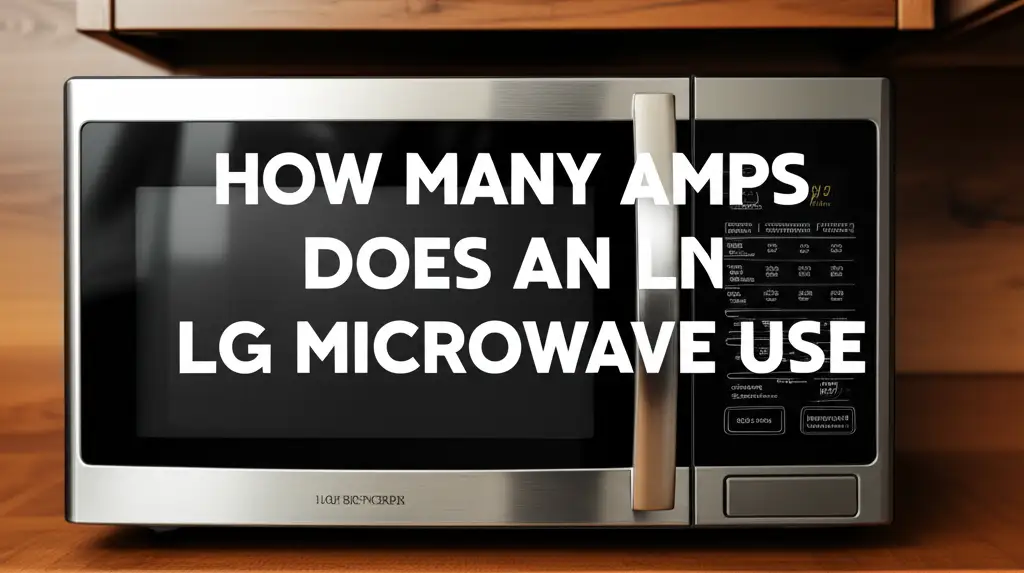
How Many Amps Does An Lg Microwave Use
Understanding LG Microwave Amperage: What You Need to Know
Have you ever wondered about the electrical demands of your kitchen appliances? Specifically, if you own an LG microwave, you might ask: “How many amps does an LG microwave use?” This question is more important than it seems. Understanding the amperage draw of your microwave is crucial for electrical safety and efficient kitchen operation. It helps prevent tripped circuit breakers and potential electrical hazards.
I often think about the unseen forces powering our homes. The amount of electricity an LG microwave uses directly impacts your home’s electrical system. This article will explain what amperage is and how it relates to microwave power consumption. We will explore typical amperage ranges for LG microwaves. I will also discuss the factors that influence these numbers. You will learn how to determine your specific microwave’s amperage. We will cover circuit requirements and offer tips for safe microwave use. Get ready to illuminate the electrical mysteries of your kitchen.
Takeaway
- Average Amperage: Most LG microwaves draw between 10 to 15 amps, depending on wattage.
- Wattage is Key: Higher wattage microwaves consume more power and thus draw more amps.
- Dedicated Circuits: It is best to connect your microwave to a dedicated 20-amp circuit.
- Check Nameplate: Always verify the specific wattage and voltage on your appliance’s nameplate for precise amperage calculations.
- Safety First: Understanding amperage prevents overloaded circuits and ensures electrical safety in your home.
How many amps does an LG microwave use?
An LG microwave typically draws between 8.3 to 12.5 amps when operating, assuming a standard 120-volt household circuit. The exact amperage depends on the microwave’s wattage, with higher wattage models consuming more power and thus requiring more amps. Always check your specific model’s rating plate for precise electrical specifications.
Decoding Microwave Power: Amps, Watts, and Volts Explained
Understanding electricity requires grasping three main terms: amps, watts, and volts. These terms describe different aspects of electrical flow. Think of electricity like water flowing through a pipe. Volts represent the water pressure. Amps measure the flow rate, or how much water moves through the pipe. Watts represent the total power, or how much work the water can do.
Microwaves use these electrical units to function. Manufacturers rate microwaves in watts, indicating their cooking power. A microwave with higher wattage cooks food faster. This higher wattage also means a greater demand on your home’s electrical system. More watts generally translate to more amps drawn.
Household electrical outlets in North America typically provide 120 volts. This voltage is standard for most small and medium appliances. When you plug in your LG microwave, it draws a certain amount of current, measured in amps, at this 120-volt pressure to produce its rated wattage. Knowing these relationships helps you calculate power needs. It ensures you do not overload your electrical circuits.
The Relationship Between Amps, Watts, and Volts
The relationship between these three terms is fundamental in electrical calculations. It is often described by the formula: Watts = Volts x Amps. This simple equation allows us to understand the power dynamics of any electrical appliance. If you know any two values, you can calculate the third. For example, if you know a microwave’s wattage and the household voltage, you can easily determine its amperage draw.
This formula is very practical for homeowners. Most appliances list their wattage and voltage on a nameplate. By dividing the wattage by the voltage, you get the amperage. This calculation tells you exactly how much current your LG microwave will pull from the circuit. This knowledge is crucial for electrical planning.
For instance, if your LG microwave is rated at 1200 watts and operates on a 120-volt circuit, it will draw 10 amps (1200 watts / 120 volts = 10 amps). This calculation helps you assess if your circuit can handle the load. Understanding this relationship prevents issues like tripped circuit breakers. It also ensures the longevity of your electrical system.
Typical Amperage Draw for LG Microwaves
LG produces a wide range of microwaves, each with varying power levels. Generally, household microwaves fall within a wattage range. This range directly influences their amperage draw. Most standard LG microwaves operate between 900 watts and 1200 watts. Some larger, more powerful models might go up to 1500 watts.
At 120 volts, a 900-watt LG microwave draws about 7.5 amps. A 1000-watt model pulls approximately 8.3 amps. A 1200-watt microwave uses around 10 amps. For the more powerful 1500-watt models, the amperage can reach 12.5 amps. These are common figures you can expect.
It is important to remember that these figures represent the microwave’s power draw during active cooking. The amperage might be slightly lower during standby modes. However, when the magnetron is running, these are the peak loads. Always consider the maximum power draw for circuit planning. This ensures safety and prevents overloads.
Factors Influencing Amperage Draw
Several factors can influence the exact amperage draw of your LG microwave. The primary factor is the microwave’s wattage rating. Higher wattage directly translates to a higher amperage draw. A microwave designed for quick heating will inherently require more power. This design choice affects the overall electrical demand.
Another factor is the specific model and its features. LG microwaves with advanced features, such as convection baking or grilling elements, will have different power consumption patterns. These additional heating elements draw extra current when active. For example, a microwave that can also function as a small oven might have significantly higher peak amperage. You can learn more about how a microwave can function as an oven. how to use Kitchenaid microwave as an oven.
The age and condition of the microwave can also play a minor role. While not a significant factor in peak draw, an older or malfunctioning unit might operate less efficiently. This inefficiency could lead to slightly varied power consumption. It is always wise to consult the specific appliance label for precise information. This label provides the most accurate data for your model.
Finding Your LG Microwave’s Specific Amperage
Identifying the precise amperage of your LG microwave is straightforward. Every electrical appliance has a rating label, typically located on the back or side. For microwaves, you might find this label inside the door frame or on the back panel. This label provides essential electrical information. It often lists the voltage, wattage, and sometimes the amperage directly.
Look for a sticker or embossed plate. On this plate, you will see specifications like “Input Power,” “Rated Power,” or “Wattage.” This value is usually in watts. You will also find the “Voltage,” typically 120V in North America. If the amperage is not directly listed, you can easily calculate it.
Use the formula: Amps = Watts / Volts. For example, if your LG microwave says “1100W” and “120V,” divide 1100 by 120. This gives you approximately 9.17 amps. This simple calculation provides the information you need for safe electrical planning. Always trust the specific data on your appliance’s label. It is the most accurate source.
Reading the Appliance Nameplate
The appliance nameplate is a treasure trove of information. It is designed to give you all the critical specifications for safe operation. Beyond wattage and voltage, you might find other helpful details. These details can include the manufacturer’s name, model number, and serial number. It also often lists safety certifications.
The input power listed on the nameplate represents the total power the microwave draws from the wall outlet. This is different from the output power, which is the microwave energy delivered to cook food. Always use the input power (wattage) for calculating amperage and circuit load. The input power accounts for all internal components, including the fan, light, and control panel.
If your LG microwave is not turning on, checking the nameplate is a good first step. It confirms the expected power requirements. If your LG microwave is not turning on, it could indicate a power supply issue or an internal fault. You can also refer to troubleshooting guides, such as why is my LG microwave not turning on, to help diagnose problems. The nameplate provides the baseline for all electrical considerations.
Electrical Circuit Requirements for Microwaves
Understanding the electrical circuit requirements for your LG microwave is essential. Most standard household circuits are either 15-amp or 20-amp circuits. A 15-amp circuit can safely handle about 1800 watts (15 amps x 120 volts). A 20-amp circuit can manage up to 2400 watts (20 amps x 120 volts). These limits are critical for preventing overloads.
Most LG microwaves, especially those over 1000 watts, should ideally be on a dedicated 20-amp circuit. A dedicated circuit means the microwave is the only appliance drawing power from that particular circuit breaker. This setup prevents the microwave from tripping the breaker when other appliances are in use. Sharing a circuit with other high-draw appliances like toasters, coffee makers, or electric kettles can easily exceed the circuit’s capacity.
If your microwave is constantly tripping the circuit breaker, it is a clear sign of an overloaded circuit. This situation is not just inconvenient; it can be a fire hazard. Consulting an electrician to install a dedicated circuit might be necessary. This ensures safety and reliable operation. This is also similar to electric ovens. Understanding how many amps an electric oven draws is also crucial for home safety. how many amps does an electric oven draw.
Dedicated Circuits vs. Shared Circuits
The distinction between dedicated and shared circuits is vital for home safety. A dedicated circuit provides a single appliance with its own power pathway from the electrical panel. This setup ensures that the appliance receives consistent power without interruption. It also prevents other appliances from drawing power from the same breaker.
Shared circuits, conversely, supply power to multiple outlets and appliances. While convenient, they pose a risk of overloading. If you plug your microwave into a shared circuit that also powers your refrigerator, dishwasher, or other kitchen gadgets, you risk exceeding the circuit’s amperage limit. This causes the circuit breaker to trip, cutting power to everything on that circuit.
For an LG microwave, especially one with higher wattage, a dedicated 20-amp circuit is the safest and most reliable option. This setup minimizes the risk of tripped breakers and reduces stress on your home’s wiring. It ensures your microwave operates efficiently without putting your electrical system at risk. Always prioritize dedicated circuits for high-power appliances.
What Happens if a Circuit is Overloaded?
An overloaded circuit occurs when too many appliances draw more current than the circuit is designed to handle. When this happens, the circuit breaker acts as a safety device. It detects the excessive current flow and automatically “trips,” cutting off power to prevent overheating and potential fires. This is why your microwave suddenly stops working sometimes.
Frequent circuit trips indicate an issue. It suggests that your current electrical setup cannot safely support the appliances connected to that circuit. Ignoring frequent trips is dangerous. Overloaded circuits can lead to wiring damage, insulation breakdown, and even electrical fires. It is a serious electrical hazard that requires immediate attention.
If your LG microwave often trips the breaker, you must take action. First, unplug other appliances from that circuit. If the problem persists, consider having an electrician assess your home’s wiring. They can identify the cause of the overload. They can recommend solutions, such as installing a dedicated circuit or upgrading your electrical panel. Safety should always be your top priority.
Inverter Technology and Amperage
Many modern LG microwaves feature “Smart Inverter” technology. This is a significant advancement in microwave design. Traditional microwaves operate at full power or cycle on and off to simulate lower power levels. This cycling can lead to uneven cooking and fluctuating power draws. Inverter technology changes this.
LG’s Smart Inverter technology provides a continuous, variable power output. Instead of just “on” or “off,” it can maintain precise power levels. This results in more even heating and defrosting. It also means that the microwave draws a more consistent amperage throughout the cooking cycle. While the peak amperage remains similar to non-inverter models of the same wattage, the sustained draw at lower power settings is more stable. This consistent draw is beneficial for your electrical system.
For instance, an LG Smart Inverter microwave set to 50% power will genuinely operate at 50% power, drawing a lower, consistent amperage. A traditional microwave might cycle between 100% and 0% power, leading to fluctuating current demands. This can be seen as an advantage for circuit stability. If you want to know more about this technology, you can refer to how to use LG microwave oven smart inverter.
Benefits for Electrical Systems
The consistent power delivery of inverter technology offers several benefits for your home’s electrical system. First, it reduces stress on your wiring and components. Traditional microwaves that cycle on and off create rapid fluctuations in current draw. These sudden spikes and drops can put wear and tear on your circuit breakers and wiring over time.
Inverter technology minimizes these sharp current changes. This results in a smoother, more stable load on the electrical circuit. It can contribute to the longevity of your circuit breaker and outlets. It also provides more predictable power consumption. This predictability is helpful for homes with older wiring or those already pushing the limits of their electrical capacity.
While inverter technology doesn’t necessarily reduce the maximum amperage draw of an LG microwave, it optimizes how that power is used. It makes the microwave a more “friendly” appliance for your electrical system. This translates to fewer tripped breakers and a more stable power environment in your kitchen.
Energy Efficiency and Microwave Amperage
When discussing appliances, energy efficiency often comes up. For microwaves, this primarily relates to how effectively they convert electrical energy into microwave energy for cooking. While all microwaves consume electricity to operate, some are designed to do so more efficiently. This efficiency impacts your electricity bill and the appliance’s overall environmental footprint.
The wattage rating on your LG microwave typically refers to its input power. The actual microwave power delivered to your food (output power) is always lower due to energy conversion losses. Energy-efficient microwaves minimize these losses. This means more of the electricity drawn is used for cooking, rather than wasted as heat.
While directly comparing amperage for energy efficiency is complex, a microwave that cooks faster with the same wattage might be more efficient. This implies less wasted energy over a shorter cooking time. Always look for Energy Star ratings if energy efficiency is a primary concern. Such ratings indicate that the appliance meets specific efficiency guidelines.
Reducing Your Microwave’s Energy Footprint
Reducing your microwave’s energy footprint involves more than just selecting an efficient model. It also means smart usage habits. Unplugging your microwave when not in use can eliminate “phantom load.” This is the small amount of electricity appliances consume even when turned off but still plugged in. While small individually, these loads add up.
Using the correct power level for your cooking task also saves energy. Defrosting foods often requires lower power for a longer time. Heating leftovers might need high power for a short burst. Utilizing your LG microwave’s smart features, like sensor cooking, can optimize cooking times. This prevents overcooking and unnecessary energy use.
Finally, ensuring your microwave is in good working condition helps. A microwave that works but is not heating properly might be wasting energy. If your LG microwave is working but not heating, it could indicate an issue with the magnetron or other components. This can mean it draws power without effectively cooking. why is my LG microwave working but not heating. Regular cleaning of the interior and vents also ensures efficient operation. These small habits contribute to a lower energy footprint over time.
Safety Measures for Microwave Amperage
Electrical safety is paramount when dealing with any high-power appliance like an LG microwave. Understanding amperage draw is the first step toward ensuring safety. An overloaded circuit is a serious hazard. It can cause wires to overheat, leading to damaged insulation or even an electrical fire.
Always ensure your microwave is plugged into a properly grounded outlet. Grounding provides a safe path for electricity in case of a fault. Never use extension cords with microwaves unless absolutely necessary, and only use heavy-duty cords rated for the microwave’s amperage. Thin, unrated extension cords can overheat and pose a fire risk.
Regularly inspect the microwave’s power cord for any signs of damage. Frayed wires or exposed insulation require immediate attention. If you suspect any electrical issues, unplug the microwave and consult a qualified electrician. Never attempt to repair internal electrical components yourself. Safety procedures are critical.
Preventing Overloads and Electrical Hazards
Preventing electrical overloads starts with knowing your circuits. Identify which outlets belong to which circuit breaker in your electrical panel. This knowledge helps you distribute appliances evenly. Avoid plugging multiple high-wattage appliances into the same outlet or circuit. This is a common cause of tripped breakers.
If you are renovating your kitchen or installing a new microwave, consider having a dedicated circuit installed. This investment significantly enhances safety and convenience. It eliminates the risk of shared circuit overloads. For over-the-range microwaves, professional installation is often required. This ensures proper wiring and ventilation.
Finally, be aware of your home’s total electrical capacity. Older homes might have smaller electrical panels and fewer circuits. If you frequently experience tripped breakers or flickering lights when using appliances, your electrical system might be inadequate. In such cases, consulting an electrician for a home electrical inspection is highly recommended. They can advise on potential upgrades or modifications to ensure your home’s electrical safety.
Troubleshooting Common Microwave Power Issues
Even with proper knowledge of amperage, you might encounter power issues with your LG microwave. One common problem is the microwave not turning on at all. This can stem from various sources. It could be a simple issue like a tripped circuit breaker. Or it could be a more complex internal component failure.
First, check your home’s electrical panel. Locate the breaker connected to your kitchen outlets. If it is in the “off” position, flip it back to “on.” If it immediately trips again, unplug the microwave and any other appliances on that circuit. Then, try resetting the breaker once more. If it holds, the microwave might be the culprit.
Another issue is when the microwave turns on but fails to heat food. This indicates that some internal components are working, but the magnetron, which generates the microwaves, is not. This is a common problem with microwaves and often requires professional repair. For detailed troubleshooting steps, you can refer to resources like how to repair LG microwave oven not heating.
When to Call a Professional Electrician
Knowing when to call a professional electrician is crucial for safety. If you consistently experience tripped breakers, even after unplugging other appliances, it is a sign of an underlying electrical problem. This could be faulty wiring, an undersized circuit, or a problem with the electrical panel itself. These issues require expert diagnosis and repair.
If you see sparks, smell burning, or notice smoke coming from your microwave or outlet, immediately unplug the appliance and call an electrician. These are emergency situations that indicate serious electrical faults. Do not attempt to fix these problems yourself. Electrical work can be dangerous and should only be performed by qualified individuals.
An electrician can perform an electrical load calculation for your home. This assessment determines if your current electrical system can handle all your appliances. They can advise on upgrading your panel, installing dedicated circuits, or repairing faulty wiring. Investing in professional electrical services ensures your home’s safety and power reliability.
The Longevity of Your LG Microwave and Power Draw
The lifespan of your LG microwave can be influenced by how it interacts with your home’s electrical system. Consistent power supply and proper circuit loading contribute to an appliance’s longevity. When a microwave is subjected to frequent power fluctuations or operates on an overloaded circuit, it can stress its internal components. This stress may lead to premature wear and tear.
For instance, frequent tripping of the circuit breaker means sudden power cuts to the microwave. These abrupt interruptions can strain delicate electronic controls and the magnetron. Over time, this stress can shorten the lifespan of these critical parts. Therefore, ensuring your microwave has stable power is not just about immediate operation; it’s also about its long-term health.
By understanding the amperage and providing your LG microwave with an appropriate electrical environment, you help it perform reliably for years. Proper electrical setup is a proactive measure for appliance maintenance. It contributes to consistent performance and fewer repair needs. This translates to cost savings and prolonged use of your appliance.
Impact of Electrical Stability on Appliance Health
Electrical stability plays a significant role in the health and performance of all your home appliances. Appliances are designed to operate within specific voltage and current parameters. Fluctuations outside these parameters can be detrimental. For example, voltage sags or surges can damage sensitive electronic components.
A dedicated circuit provides a stable power supply, protecting your LG microwave from power inconsistencies caused by other appliances. This steady flow of electricity reduces the risk of internal component degradation. It ensures that the microwave operates at its intended efficiency. This is particularly true for models with advanced electronics, like those with Smart Inverter technology.
In essence, a stable electrical environment minimizes stress on the microwave’s internal systems. This leads to more reliable cooking results. It also extends the service life of your appliance. Investing in a robust electrical setup is an investment in your appliance’s future. It prevents frustrating malfunctions and costly repairs, ensuring your LG microwave serves you well for many years.
FAQ Section
Q1: Can I plug my LG microwave into any wall outlet?
A1: While you can physically plug an LG microwave into any 120V outlet, it is not always recommended. Microwaves are high-wattage appliances. They ideally require a dedicated 20-amp circuit. Plugging it into a shared circuit, especially with other heavy-draw appliances, can lead to tripped breakers or circuit overloads. Always check your circuit capacity.
Q2: What is the average wattage of an LG microwave?
A2: Most LG microwaves for home use range from 900 watts to 1200 watts. Some compact models may be less, while larger or more powerful models, especially those with convection features, can go up to 1500 watts. The wattage determines the cooking power and contributes to the amperage draw.
Q3: Why does my circuit breaker trip when I use my LG microwave?
A3: Your circuit breaker likely trips because the circuit is overloaded. This means the microwave, possibly combined with other appliances on the same circuit, is drawing more amps than the breaker’s rating (e.g., 15 or 20 amps). Consider using a dedicated circuit for the microwave or reducing other loads on that circuit.
Q4: Does a Smart Inverter LG microwave use fewer amps?
A4: An LG Smart Inverter microwave does not necessarily use fewer peak amps for the same wattage. However, it provides a more consistent power draw. This technology avoids the “on-off” cycling of traditional microwaves, which can cause power fluctuations. This makes the power consumption smoother and gentler on your electrical system.
Q5: Is it safe to use an extension cord with my LG microwave?
A5: It is generally advised against using extension cords with microwaves. If absolutely necessary, use a heavy-duty extension cord specifically rated for the microwave’s wattage and amperage. The cord must have a proper ground. Never use light-duty household extension cords, as they can overheat and pose a fire hazard.
Q6: How often should I check my microwave’s electrical cord?
A6: You should periodically check your microwave’s electrical cord for any signs of damage. Look for frayed wires, cracks in the insulation, or discoloration. If you notice any damage, discontinue use immediately and have the cord replaced by a qualified technician or replace the microwave. This simple check helps prevent electrical hazards.
Conclusion
Understanding “how many amps does an LG microwave use” is more than just a technical detail. It is crucial for ensuring the safety and efficiency of your kitchen. We have seen that most LG microwaves draw between 8 to 12.5 amps, depending on their wattage and whether they feature advanced inverter technology. This power draw directly impacts your home’s electrical circuits.
I have learned that knowing your microwave’s wattage, checking its nameplate, and understanding the relationship between amps, watts, and volts empowers you as a homeowner. It allows you to make informed decisions about where to plug in your appliance. Prioritizing dedicated 20-amp circuits for high-wattage appliances like your LG microwave helps prevent inconvenient tripped breakers and, more importantly, reduces the risk of electrical hazards.
Ultimately, electrical safety in your home is paramount. By understanding the amperage demands of your LG microwave and following best practices for circuit loading, you contribute to a safer and more reliable electrical environment. Always consult a qualified electrician if you have any doubts about your home’s wiring or need to install a dedicated circuit. Ensure your kitchen is safe and your LG microwave runs efficiently for years to come. Take a moment to check your microwave’s label today. Make sure your setup is safe and optimized.
- LG microwave amps
- microwave power draw
- appliance electrical safety
- circuit breaker microwave
- microwave wattage
- LG appliance
- kitchen electricity
- home wiring
- energy use microwave

Todd Martin
Senior Writer
With over 15 years of experience in home renovation and design, I started HEG to share what I’ve learned with homeowners who want to create spaces that are both beautiful and functional. I’ve always believed in a hands-on approach, and over the years, I’ve picked up practical solutions that actually work. Through HEG, I aim to make home improvement more approachable, sharing real tips that help you create a home you truly love.