
· Todd Martin · Baby Essentials & DIY · 16 min read
How To Add Footrest To High Chair
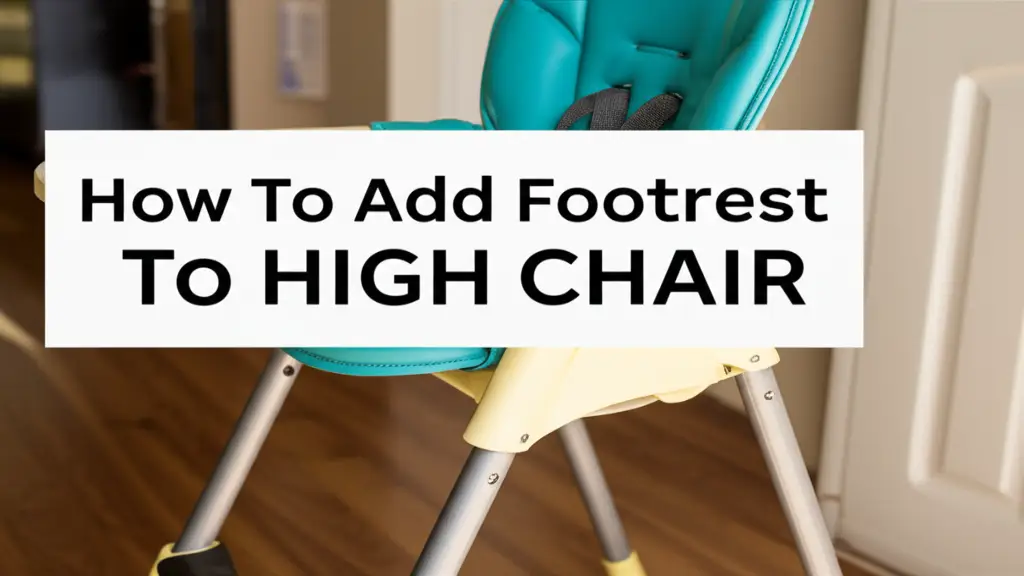
Unlock Comfort: How to Add a Footrest to Your High Chair
Did you know a footrest can change your baby’s mealtime experience? Many high chairs lack proper foot support. This oversight can affect your baby’s comfort and feeding posture. Adding a footrest to your high chair is a simple but impactful modification. It gives your child a stable place for their feet. This stability helps improve digestion, focus, and overall comfort during meals.
This guide helps you understand why a footrest is important. It covers various methods to add one to your existing high chair. You will learn about commercial options and practical DIY solutions. We will walk through step-by-step instructions. Safety and proper adjustment are key focuses. Let’s make mealtime more pleasant and beneficial for your little one.
Takeaway:
- A footrest provides crucial stability for infants and toddlers in high chairs.
- Proper foot support improves posture, digestion, and feeding focus.
- You can choose between commercial footrests or various DIY methods.
- DIY options include simple strap-based footrests or custom wooden designs.
- Ensure the footrest is at the correct height for your child’s knees and hips.
- Always prioritize safety, stability, and easy cleaning for any added footrest.
Adding a footrest to your high chair creates a more stable and ergonomic eating position for your child. This supports proper posture, enhances comfort, and allows your baby to focus better on eating. You can achieve this using commercial attachments or straightforward DIY solutions like adjustable straps or custom wooden platforms, ensuring the footrest aligns with your child’s height.
The Importance of Foot Support in a High Chair
Imagine sitting on a tall bar stool with your feet dangling. It is uncomfortable and hard to maintain balance. This is how many babies feel in a high chair without a footrest. Proper foot support makes a big difference. It helps your baby feel grounded and secure during meals. This improves their posture and focus.
A footrest helps a child maintain a stable core. When a child’s feet are supported, their hips are at a proper angle. This creates a more ergonomic seating position. A good position means better digestion and less fidgeting. Babies feel more in control when their feet are not dangling. This allows them to concentrate on eating.
Furthermore, a footrest contributes to safety. A child pushing against a stable surface is less likely to slide down. It reduces the risk of injury from squirming or standing up. Pediatric occupational therapists often recommend footrests for these benefits. They emphasize the link between stability and fine motor skills development. Eating is a skill that requires concentration. A footrest helps a child participate more effectively in mealtime. It makes the high chair a safe and comfortable space for them.
Types of High Chair Footrests: Choosing the Right Option
When you decide to add a footrest to your high chair, you have several choices. The best option depends on your specific high chair model and your budget. You can buy a commercial footrest. These are often designed for specific high chair brands. Alternatively, you can create a DIY solution. This offers more flexibility and cost savings.
Commercial footrests are available for popular high chair brands. Brands like Stokke, Lalo, and IKEA Antilop offer custom footrests. These footrests are designed to fit their chairs perfectly. They often feature easy adjustment mechanisms. This allows you to change the height as your child grows. Some are made from wood, while others use durable plastic. These options provide a polished look and simple installation.
DIY footrests offer a wider range of possibilities. You can use wood, fabric straps, or even sturdy boxes. A wooden footrest can be custom-cut to fit between the chair legs. Fabric straps can wrap around the legs and hold a flat platform. Some parents use simple, heavy books or small boxes as temporary solutions. Each DIY method has its own benefits regarding cost, effort, and appearance. Choosing the right type helps ensure your child’s comfort.
DIY Footrest Solutions: Creative Ways to Add Support
Building your own high chair footrest can be a rewarding project. It allows you to customize the footrest to your child’s needs. DIY solutions are often more affordable than store-bought options. They also give you control over the materials used. We will explore a few popular and effective DIY methods.
One common DIY method involves using wood. You can cut a piece of sturdy wood to fit between the high chair legs. This plank acts as a solid foot platform. You might need to drill holes into the wood. Then, you can secure it with strong ropes, straps, or clamps. This method creates a very stable and durable footrest. It is important to measure carefully for a good fit.
Another simple DIY approach uses fabric straps and a flat surface. You can use thick webbing straps or old belts. Loop these straps around the high chair legs at the desired height. Then, place a sturdy board or thick cutting mat on top of the straps. The straps hold the platform in place. This method is highly adjustable and easy to remove. It is a good choice for those who prefer less permanent modifications. You can also add a padded seat to a wooden chair for extra comfort, just like you would for a footrest. Remember, safety always comes first when choosing materials.
H3: Building a Basic Wooden Footrest
A wooden footrest provides excellent stability and durability. This method requires some basic tools and materials. First, measure the distance between the high chair legs. Also, determine the ideal height for the footrest. Your child’s knees should form a 90-degree angle when their feet rest flat.
Gather your materials:
- A sturdy piece of wood (e.g., plywood, pine)
- Saw
- Drill
- Sandpaper
- Measuring tape
- Rope, strong straps, or pipe clamps
- Optional: Non-toxic paint or sealant
Cut the wood to the measured length. Make sure it fits snugly between the high chair legs. Sand all edges smooth to prevent splinters. Consider painting or sealing the wood for easy cleaning. Drill holes near each end of the wood plank if using rope or straps. Ensure the holes are wide enough for your chosen fasteners.
Thread the rope or straps through the holes. Wrap them securely around the high chair legs. Adjust the height carefully before tightening. If using pipe clamps, attach them to the high chair legs. Then, rest the wooden plank on top of the clamps. Tighten the clamps to hold the wood in place. Always double-check stability before use.
H3: Crafting an Adjustable Strap Footrest
An adjustable strap footrest offers flexibility and is easy to implement. This method does not require drilling into your high chair. It is perfect for rented high chairs or temporary solutions. You will need strong, non-slip straps. Think about using old car seat straps or sturdy webbing.
Materials you will need:
- Two strong, long straps (e.g., webbing, old belts, ratchet straps)
- A flat, sturdy board (e.g., small cutting board, thick plastic mat)
- Scissors
- Measuring tape
Measure the length of your straps. They need to be long enough to wrap around the high chair legs and support the board. Cut the board to a size that fits comfortably between the legs. It should be wide enough for your child’s feet. Securely attach one end of each strap to the board. You can use strong adhesive, staples, or small screws. Ensure the attachment points are robust.
Loop the straps around the high chair legs. Position them at the desired height for your child. Make sure the board is level. Tighten the straps until the board is firm and does not wobble. You can use buckles or knots to secure the straps. This design allows for quick height adjustments. Regularly inspect the straps for wear and tear.
Step-by-Step Guide: Attaching a Custom Wooden Footrest
Attaching a custom wooden footrest provides a permanent and stable solution. This method works well for many high chair designs. It involves precise measurements and careful construction. Follow these steps to ensure a safe and secure footrest. This project takes some time, but the results are worth it.
Step 1: Gather Materials and Tools Collect all necessary items before you begin. You will need:
- Wood: A plank of sturdy wood. Hardwoods like oak or maple are durable. Plywood or pine can also work. Choose a thickness that prevents bowing under your child’s weight.
- Measuring Tools: Tape measure, ruler, pencil.
- Cutting Tools: Hand saw, jigsaw, or circular saw.
- Drilling Tools: Electric drill, drill bits.
- Fasteners: Depending on your high chair model, you might use:
- U-bolts: Ideal for round high chair legs.
- Pipe clamps: Adjustable and strong, good for various leg shapes.
- L-brackets: If attaching to flat surfaces of the high chair.
- Strong rope or webbing: For a less permanent, adjustable option.
- Finishing Supplies: Sandpaper (various grits), wood sealant or non-toxic paint.
- Safety Gear: Safety glasses, gloves.
Step 2: Measure Your High Chair Accuracy is crucial for a snug fit.
- Width: Measure the inside distance between the high chair’s front legs at the desired footrest height. This is the length of your wooden plank.
- Depth: Consider how wide you want the footrest. A depth of 4-6 inches (10-15 cm) is usually sufficient for a child’s feet.
- Height: Determine the optimal height. Sit your child in the high chair. Their knees should form a 90-degree angle, and their feet should be flat on the surface. Mark this height on the high chair legs. This measurement is key for ergonomic support.
Step 3: Cut and Prepare the Wood
- Carefully cut the wooden plank to your measured width and depth.
- Use sandpaper to smooth all edges and surfaces. Start with coarser grit (e.g., 80-100) to shape, then finer grit (e.g., 180-220) for a smooth finish. This prevents splinters.
- If you plan to paint or seal the wood, do so now. Ensure you use child-safe, non-toxic finishes. Let it dry completely according to product instructions.
Step 4: Attach the Footrest This step varies based on your chosen fastening method.
- Using U-bolts (for round legs):
- Mark the U-bolt placement on the footrest. Drill pilot holes for the U-bolt ends.
- Position the footrest at the desired height on the high chair legs.
- Place the U-bolts around the high chair legs, aligning with the drilled holes on the footrest.
- Secure the U-bolts with nuts and washers. Tighten them firmly but do not over-tighten.
- Using Pipe Clamps (for various legs):
- Attach two pipe clamps to the high chair legs at the marked height.
- Ensure they are level and spaced correctly to support the footrest.
- Rest the wooden plank on top of the tightened pipe clamps.
- You can add a screw from the top of the footrest into the clamp for extra security, though often not needed if clamps are tight.
- Using Strong Rope/Webbing:
- Drill two holes at each end of the wooden plank.
- Thread the rope/webbing through the holes.
- Wrap the rope/webbing around the high chair legs at the desired height.
- Tie secure knots (e.g., double half hitch, square knot) to hold the footrest firmly. Ensure the knots are strong and do not slip.
- Check for levelness and stability. You can clean high chair straps regularly to maintain hygiene and safety.
Step 5: Test for Stability and Adjust Once attached, rigorously test the footrest.
- Press down on it to ensure it does not slip or wobble.
- Place your child in the high chair. Check their posture. Are their knees at a 90-degree angle? Are their feet flat and comfortable?
- Adjust the height as needed. This might involve loosening fasteners and repositioning the footrest. Re-tighten everything securely after any adjustment.
- Regularly inspect the footrest for wear or looseness. Tighten fasteners if necessary.
This method gives your child a sturdy and comfortable place for their feet.
Alternative DIY Methods: Straps, Books, and More
Beyond custom wooden planks, other simple DIY methods exist to add a footrest. These alternatives can be quicker to implement. They often require fewer tools and materials. They are great for those seeking a less permanent solution. Or for those who want a footrest they can easily remove.
One popular method involves using simple, strong straps. You can use large zip ties, velcro straps, or sturdy fabric webbing. These straps loop around the high chair legs at the desired height. Then, a flat, rigid surface rests on top of the straps. This surface could be a small cutting board or a thick piece of hard plastic. This method is highly adjustable. You can easily move the straps up or down as your child grows. It is also very easy to clean.
Another temporary but effective solution uses common household items. Stacking sturdy books under your child’s feet can provide support. Make sure the books are heavy and stable enough not to tip over. A small, heavy box or a firm storage container can also work. These solutions are not ideal for long-term use. They serve as quick fixes until a more permanent footrest is in place. Always ensure these temporary solutions are stable and do not pose a tipping hazard. These creative ideas help provide the necessary support for your child during mealtime.
Ensuring Safety and Proper Adjustment of Your High Chair Footrest
Adding a footrest makes a high chair more comfortable. However, safety must always come first. A poorly installed or incorrectly adjusted footrest can be dangerous. It can create new hazards for your child. Always take time to ensure the footrest is secure and positioned correctly.
First, stability is paramount. The footrest must be firmly attached. It should not wobble, slide, or tip. Test it by applying pressure from different angles. Ensure it can support your child’s weight easily. Loose components are a serious hazard. Regularly check all fasteners, knots, or clamps. Make sure they remain tight. Consider using non-slip material on the footrest surface. This prevents your child’s feet from sliding off.
Second, proper height adjustment is crucial for ergonomics. When your child sits in the high chair, their knees should bend at a 90-degree angle. Their feet should rest flat on the footrest. Their hips should also be at a 90-degree angle to their body. This “90-90-90” rule promotes good posture. It also aids in digestion and core stability. Adjust the footrest as your child grows. Re-evaluate the height every few months. A footrest that is too high or too low negates its benefits. It can even cause discomfort. For high chairs with removable straps, like the Lalo high chair, understanding how to remove Lalo high chair straps can be useful for adjusting other components or for deep cleaning. Ensure the footrest does not interfere with the high chair’s safety harness. The harness must still be able to secure your child properly.
Maintenance and Care for Your High Chair Footrest
Maintaining your high chair footrest ensures its longevity and hygiene. A clean and well-kept footrest contributes to a safe eating environment. Food spills and crumbs are common during mealtimes. Regular cleaning prevents mold and bacteria growth. Proper care also ensures the footrest remains sturdy over time.
Cleaning your footrest is straightforward. If it is made of wood, wipe it down after each meal. Use a damp cloth with mild soap and water. For tough stains, a gentle scrub brush can help. Ensure the wood dries completely to prevent warping or rot. If the footrest is painted or sealed, check the finish periodically. Reapply sealant if it shows signs of wear. This protects the wood and makes it easier to clean.
For strap-based footrests, clean the straps and the platform separately. The platform can be wiped down like a wooden one. Fabric straps may need more thorough cleaning. You can often remove and hand wash them with warm, soapy water. Allow them to air dry completely before reattattaching. Regularly inspect all components. Check for frayed straps, loose screws, or cracks in the wood. Address any issues promptly to maintain safety. A well-maintained footrest will serve your child comfortably for years. You might also want to know how to add cushion to a wooden chair if your child’s high chair is wooden and you want to enhance overall comfort beyond just the footrest.
Frequently Asked Questions
Why do babies need a footrest in a high chair?
A footrest provides stability for a baby’s core. When their feet are supported, their body is more grounded. This improves posture, digestion, and focus during meals. It prevents dangling legs, which can be uncomfortable and distracting for the child. Proper support helps them feel more secure.
What is the ideal height for a high chair footrest?
The ideal height is when your child’s knees form a 90-degree angle. Their feet should rest flat on the footrest. Their hips should also be at a 90-degree angle. This “90-90-90” rule supports proper alignment and comfort. Adjust the footrest as your child grows to maintain this posture.
Are DIY footrests safe for high chairs?
Yes, DIY footrests can be safe if built and installed correctly. Use sturdy, non-toxic materials. Ensure the footrest is firmly attached and does not wobble. Regularly check for stability and wear. Always prioritize your child’s safety over convenience. Test the footrest thoroughly before each use.
Can I add a footrest to any high chair?
Most high chairs can accommodate a footrest modification. Some popular models have specific commercial footrests available. For others, DIY solutions are often possible. High chairs with open-leg designs are easiest to modify. Those with complex bases may require more creative approaches. Always assess your specific high chair model.
How often should I clean the high chair footrest?
You should wipe down the footrest after every meal. This removes food debris and prevents stickiness. A more thorough cleaning, using soap and water, can be done weekly. If using fabric straps, wash them regularly. This prevents mold and bacterial growth, maintaining a hygienic eating area for your child.
What materials are best for a DIY high chair footrest?
Sturdy wood, such as plywood or pine, is excellent for a durable footrest. You can also use thick, durable plastic. For adjustable strap designs, strong webbing, old belts, or thick bungee cords work well. Always ensure materials are non-toxic and can withstand your child’s weight and daily use.
Conclusion
Adding a footrest to your high chair can truly transform your child’s mealtime. It shifts them from a dangling, uncomfortable position to a secure, supported one. This simple addition improves their posture, aids digestion, and helps them focus better on eating. Whether you choose a commercial product or a clever DIY solution, the benefits are clear.
We explored the importance of a high chair footrest and various types available. We detailed how to build and attach a custom wooden footrest, offering stability and durability. We also touched upon simpler, adjustable strap methods. Remember, the core of this project lies in ensuring safety and proper adjustment. Regularly checking the footrest’s stability and cleaning it are key steps for its long-term use. By providing this essential support, you create a more comfortable and productive feeding environment for your child. Take the step to add a footrest to your high chair today; your child’s mealtime experience will greatly benefit.
- high chair footrest
- baby feeding
- high chair accessories
- DIY baby gear
- child posture

Todd Martin
Senior Writer
With over 15 years of experience in home renovation and design, I started HEG to share what I’ve learned with homeowners who want to create spaces that are both beautiful and functional. I’ve always believed in a hands-on approach, and over the years, I’ve picked up practical solutions that actually work. Through HEG, I aim to make home improvement more approachable, sharing real tips that help you create a home you truly love.