
· Todd Martin · Baby Gear & Furniture · 20 min read
How To Adjust Tripp Trapp Chair
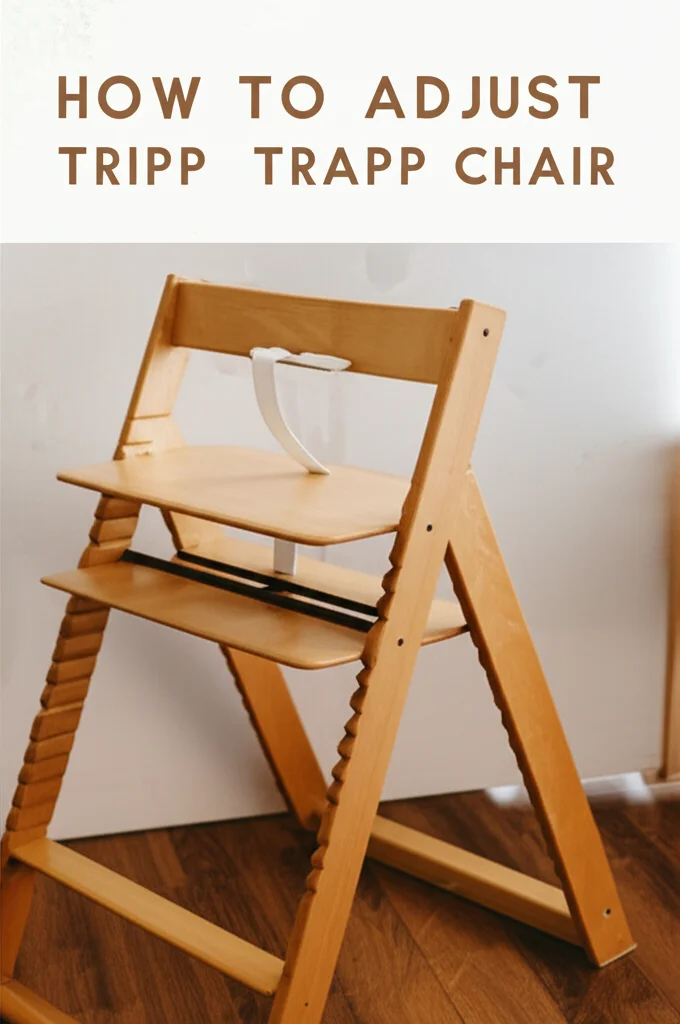
Unlock Perfect Posture: How To Adjust Your Tripp Trapp Chair for Every Age
A child’s world expands at an incredible pace. Their growth brings new joys and new needs. The Tripp Trapp chair, with its iconic design, offers a unique solution to grow with your child. This chair aims to bring your child to the table, promoting connection and proper development. Understanding how to adjust Tripp Trapp chair correctly is key to unlocking its full potential. You give your child comfort, stability, and good posture at every stage.
This guide helps you master your Tripp Trapp adjustments. We will explore the chair’s design elements and essential tools. We will provide step-by-step instructions for adjusting the seat and foot plates. We will also cover integrating accessories and adapting the chair for different ages. You will learn to troubleshoot common issues. Get ready to customize your Tripp Trapp chair for years of perfect fit.
Takeaway:
- Regularly adjust your Tripp Trapp chair to match your child’s growth.
- Always ensure the seat and foot plates provide proper support for posture.
- Use the hex key included with your chair for all adjustments.
- Check all bolts are tight after making changes for safety.
- Adapt accessories like the Baby Set or harness as your child develops.
Adjusting your Tripp Trapp chair involves moving the seat and foot plates along the side grooves. This requires a hex key to loosen and tighten the bolts. The goal is to provide proper ergonomic support for your child or adult user. The adjustments ensure their feet are flat, and their elbows are at table height.
Understanding the Tripp Trapp Design: Why Adjustments Matter
The Stokke Tripp Trapp chair stands out from many other high chairs. Its design focuses on bringing children closer to the family table. It does not look like a typical high chair. It integrates into your dining space. The chair’s unique structure includes two main wooden plates: the seat plate and the foot plate. These plates slide into horizontal grooves on the chair’s side legs. This sliding mechanism allows for continuous adjustments.
Adjustments matter because children grow quickly. What fits a six-month-old infant will not fit a two-year-old toddler. The Tripp Trapp chair grows with them. This chair supports proper posture at every age. Good posture helps with digestion. It improves focus during meals or activities. It also prevents slouching. When your child sits correctly, they feel more comfortable. They can participate more fully at the table.
The chair’s open design promotes freedom of movement. Children can get in and out on their own as they grow. This independence builds confidence. The adjustable foot plate provides a stable platform for feet. Dangling feet are uncomfortable. They can also affect circulation. A properly adjusted foot plate allows children to push off. This helps them find a comfortable position. The seat plate depth also changes. It ensures the child’s back is supported without too much pressure on their thighs.
Think of the Tripp Trapp as more than just a chair. It is an ergonomic tool. It supports healthy development from infancy through adulthood. My family chose this chair because of its long-term value. We appreciated how it adapts. Each adjustment makes the chair fit our child perfectly. This ensures safety and comfort. Getting the adjustments right maximizes these benefits.
The unique adjustability of the Tripp Trapp also extends its lifespan. It is not just a baby item. It becomes a versatile piece of furniture. An adult can use it as a desk chair or an extra dining seat. This adaptability means it remains useful for decades. Proper adjustment techniques ensure the chair functions as intended. They uphold its promise of ergonomic seating for all ages.
Essential Tools and Safety Checks Before You Adjust
Before you begin to adjust your Tripp Trapp chair, gathering the right tools is important. You need only one main tool. This is the hex key, also known as an Allen wrench. Stokke typically provides this tool with the chair. It fits the bolts that secure the seat and foot plates. If you cannot find yours, most hardware stores sell standard hex key sets. The correct size is usually 4mm. Using the right tool prevents damage to the bolt heads. This ensures you can adjust the chair easily in the future.
Safety checks are crucial before any adjustments. Always prioritize the safety of the user. First, ensure the chair is on a flat, stable surface. A wobbly chair is unsafe. Check the chair’s overall stability. Make sure all four legs rest evenly on the floor.
Next, inspect all bolts. The Tripp Trapp has several bolts. Two bolts secure the seat plate. Two bolts secure the foot plate. Two long bolts connect the backrest. Also, four crossbar bolts hold the frame together. All these bolts must be tight. Loose bolts can make the chair unstable. This creates a tipping hazard. Tightening them is simple. Turn the hex key clockwise until the bolt is snug. Do not overtighten, as this can strip the threads or crack the wood. A good snug fit is enough.
I always do a quick visual check before any big adjustment. I look for any signs of wear. I check for cracks in the wood. I ensure all parts are present. The wooden runners need to be free of obstructions. The grooves should be clear. My peace of mind comes from knowing the chair is sound. This step takes only a minute. It adds a layer of protection. This preparation ensures a smooth adjustment process. It also keeps the chair safe for your child.
It is wise to adjust the chair when your child is not in it. This prevents accidents. It allows you to move the plates freely. Consider having a helper if you are making large adjustments. This can make holding the plates easier. Proper preparation makes the adjustment process simple and safe. This focus on safety helps prevent problems down the road. For general chair maintenance and comfort tips, consider reading about how to make an office chair more comfortable. This can offer broader insights into ergonomic seating.
Step-by-Step Guide: Adjusting the Seat Plate on Your Tripp Trapp
Adjusting the seat plate on your Tripp Trapp chair is a primary step. This adjustment ensures your child sits at the correct height relative to your table. It also provides proper depth for their thighs. A correctly adjusted seat plate allows children to rest their forearms comfortably on the table. It also prevents undue pressure on the back of their thighs.
Here is how you adjust the seat plate:
- Locate the Bolts: Look on each side of the chair. You will see two large bolts. These bolts secure the seat plate in place. They are typically near the top of the chair frame.
- Loosen the Bolts: Use your 4mm hex key. Insert it into one of the seat plate bolts. Turn the hex key counter-clockwise. Loosen the bolt enough so the seat plate can slide. Do not remove the bolts completely. Just make them loose enough to move the plate. Repeat this for the bolt on the opposite side.
- Slide the Seat Plate: Gently push or pull the seat plate. Move it forward or backward along the grooves. The goal is to position it so your child’s thighs are fully supported. There should be a small gap, about one or two finger widths, between the front edge of the seat and the back of your child’s knees. This prevents pressure on their circulation. It also allows for free movement.
- Consider Table Height: While adjusting, remember the table height. Your child’s elbows should be roughly level with the table surface when they sit. This promotes a natural eating or playing posture. If their elbows are too low, consider moving the seat plate up to a higher slot. If they are too high, move it down.
- Secure the Bolts: Once the seat plate is in the desired position, hold it firmly. Now, tighten the bolts using your hex key. Turn them clockwise until they are snug. Make sure both sides are tightened equally. This keeps the seat plate level and stable. Do not overtighten.
My experience shows that checking the seat plate position often is helpful. Children grow in spurts. What fit last month might be too snug now. Proper seat depth supports their posture. It helps them engage comfortably at the table. This simple adjustment makes a big difference. It helps your child stay engaged. It also ensures safety and good habits for sitting.
Perfecting the Foot Plate: Adjusting for Leg and Foot Support
After adjusting the seat plate, the next crucial step is perfecting the foot plate. The foot plate supports your child’s feet. It is as important as the seat plate for proper ergonomics. When a child’s feet dangle, it can be uncomfortable. It can also cause poor circulation. It makes them restless. A stable foot rest allows them to push off and feel secure. This helps them maintain good posture.
Here is how you adjust the foot plate:
- Locate the Foot Plate Bolts: Just like the seat plate, the foot plate has two bolts. One is on each side of the chair. These bolts slide along the lower grooves of the chair frame.
- Loosen the Bolts: Use your 4mm hex key. Turn both bolts counter-clockwise to loosen them. You need them loose enough for the foot plate to slide freely. Again, do not remove the bolts completely.
- Position the Foot Plate: The ideal position for the foot plate is where your child’s knees are bent at a 90-degree angle. Their feet should rest flat on the foot plate. Their thighs should be parallel to the floor. Imagine your child sitting. Their knees should form a right angle. Their feet should be completely supported.
- Slide and Test: Slide the foot plate up or down in the grooves. Place your child in the chair. Check the angle of their knees and the position of their feet. Adjust as needed. It might take a couple of tries to get it just right. Remember that bare feet might need a slightly different position than feet with shoes.
- Secure the Bolts: Once you find the perfect height, hold the foot plate firmly in place. Tighten both bolts by turning them clockwise with the hex key. Ensure they are equally snug. This prevents the foot plate from slipping down.
I found that this adjustment needs frequent checks. My child’s legs grew quickly. What was perfect one month later felt too low. A well-adjusted foot plate gives children a sense of grounding. It helps them focus on eating or playing. It prevents them from wriggling or standing up in the chair. This makes meal times calmer. For any general issues with chair components, you might find tips on fixing things like springs in a chair helpful for understanding chair mechanics, though Tripp Trapp chairs do not have springs. Ensuring every part of the chair is stable and functioning correctly contributes to overall safety and comfort.
Adding and Adjusting Accessories: Baby Set, Harness, and Cushions
The Tripp Trapp chair grows with your child, and its accessories are designed to support this journey. The main accessories include the Baby Set, the harness, and the cushions. Each accessory requires specific adjustments or proper installation. These parts transform the chair from an open seat into a safe, enclosed space for infants and toddlers.
Baby Set Installation and Adjustment
The Tripp Trapp Baby Set is crucial for infants. It provides side and back support. It includes a high backrest and a front rail. This set helps babies sit securely. It is suitable from about six months old. This is when babies can sit unaided.
To install the Baby Set:
- First, ensure the seat plate is in the correct position for an infant. It usually needs to be higher up. Refer to the manual for specific slot recommendations.
- Slide the Baby Set backrest down into the seat plate grooves.
- Click the front rail into place on the sides of the chair. It fits snugly around the baby’s waist.
The Baby Set does not have adjustable parts itself. Its fit depends on the seat plate’s position. Make sure the Baby Set fits your baby well. There should be enough room for comfort but not so much that they can slip out.
Harness Usage and Adjustment
A harness adds an extra layer of safety. Stokke offers a five-point harness for the Tripp Trapp. It keeps your child secure in the chair. The harness straps over the shoulders, around the waist, and through the crotch.
To adjust the harness:
- Shoulder Straps: Adjust the length of the shoulder straps. They should be snug but not tight. You should be able to fit two fingers flat between the strap and your child’s shoulder.
- Waist Straps: Pull the waist straps to a comfortable fit. They should hold your child securely against the backrest.
- Crotch Strap: Ensure the crotch strap is not too tight. It should pass comfortably between your child’s legs.
Always buckle the harness before leaving your child in the chair. Recheck the harness fit regularly. Children grow fast. A loose harness loses its safety purpose. You can learn more about how to clean accessories like high chair straps to maintain hygiene.
Cushion Placement and Care
Tripp Trapp cushions offer extra comfort and style. They are easy to add and remove. Most cushions simply fit over the chair’s backrest and seat plate. Some models have ties or Velcro to secure them.
- Placement: Drape the cushion over the backrest. Lay the seat portion onto the seat plate. Make sure it sits flat.
- Cleaning: Cushions are often machine washable. Always check the care label. Regular cleaning keeps them fresh. For general cushion care, tips on how to clean chair cushions can be helpful.
Integrating these accessories correctly enhances the Tripp Trapp experience. They ensure your child is safe, comfortable, and well-supported at every stage.
Tripp Trapp Adjustment for Different Ages: From Infant to Adult
The Tripp Trapp chair excels at growing with its user. This adaptability is its core feature. Understanding how to adjust it for different age groups makes it truly versatile. The chair can serve from infancy through adulthood. Each stage requires specific plate positions and accessory use.
Infant (6-9 Months): Starting Solids
For infants who can sit unsupported, around 6-9 months, the Baby Set is essential.
- Seat Plate: Position the seat plate high up. This brings your baby close to the table. Most manuals suggest the second or third slot from the top. The depth should allow the Baby Set to fit snugly.
- Foot Plate: Adjust the foot plate so your baby’s feet are flat. Their knees should bend at a 90-degree angle. This provides stability for their small bodies. It usually means the foot plate is relatively high, closer to the seat.
- Accessories: Use the Tripp Trapp Baby Set. Add the harness for safety. Cushions provide extra comfort.
Toddler (1-3 Years): Growing Independence
As toddlers grow, they become more active. They need space to move but still require support.
- Seat Plate: You will likely need to move the seat plate down a slot or two. This gives more legroom. Keep checking the table height for comfortable arm placement. Remove the Baby Set when your child can climb in and out safely. This usually happens around 18 months to 2 years.
- Foot Plate: Lower the foot plate as their legs lengthen. Continue to aim for the 90-degree knee bend and flat feet. This stability helps them push up to stand or sit.
- Accessories: The harness is still recommended for active toddlers. Cushions remain an option for comfort.
Child (3-10 Years): Learning and Growing
School-aged children use the Tripp Trapp as a proper ergonomic chair. They might use it for meals or homework.
- Seat Plate: Continue to lower the seat plate as they grow taller. The goal is always to have their elbows level with the table.
- Foot Plate: The foot plate will move further down. It will eventually be quite low. Always ensure feet are fully supported and knees are at 90 degrees.
- Accessories: The Baby Set and harness are typically no longer needed. The chair functions as a standalone ergonomic seat.
Teenager/Adult (10+ Years): Full Ergonomic Support
The Tripp Trapp can serve as an ergonomic chair for teens and adults. It supports weights up to 242 pounds (110 kg).
- Seat Plate: Position the seat plate to provide adequate thigh support. There should still be that one to two-finger gap between the seat edge and the back of the knees. The height should allow forearms to rest comfortably on the table or desk. This may mean using one of the lower slots.
- Foot Plate: For adults, the foot plate becomes a traditional footrest. Adjust it so your feet are flat and knees are at a comfortable 90-degree angle. Depending on the user’s height, the foot plate might be quite low or even removed if not needed.
- Accessories: No specific accessories are needed. Cushions can be used for added comfort.
The beauty of the Tripp Trapp is its continuous adjustability. My own family uses it for homework sessions. We frequently adjust it for different users. Regular checks and adjustments ensure ergonomic benefits for everyone. This makes the chair a truly lifelong investment. Understanding chair adjustments in a broader sense, such as how to properly adjust a kneeling chair, can give you further perspective on ergonomic seating principles.
Maintenance and Troubleshooting Common Tripp Trapp Adjustment Issues
Maintaining your Tripp Trapp chair ensures its longevity and safe operation. While the chair is robust, regular checks and simple troubleshooting steps can prevent most problems. Knowing how to deal with common issues makes adjustments easier. It also keeps the chair in top condition for years.
Regular Maintenance Tips
- Tighten Bolts Regularly: All bolts on the Tripp Trapp can loosen over time with use. Make it a habit to check and tighten all bolts every few months. Use your 4mm hex key. Focus on the four crossbar bolts, the two seat plate bolts, the two foot plate bolts, and the two backrest bolts. This prevents wobbling and maintains stability.
- Clean the Chair: Wood chairs are easy to clean. Wipe down the wooden parts with a damp cloth. Use a mild soap if needed. Avoid harsh chemicals. Promptly clean spills, especially food spills from children. This prevents stains and keeps the wood looking good. For specific cleaning advice, you can find resources like how to clean high chair straps or general tips on how to clean chair cushions to keep your accessories hygienic.
- Check for Wear: Inspect the wooden runners and plates. Look for any cracks or damage. Small nicks are normal. Any significant damage might need attention. The chair is designed to last, but wear can happen.
Troubleshooting Common Adjustment Issues
Sometimes, you might face minor challenges when adjusting. Here are some common problems and solutions:
- Difficulty Sliding Plates:
- Issue: The seat or foot plate feels stuck in the grooves.
- Solution: Ensure the bolts are sufficiently loose. Sometimes they need more than a few turns to loosen properly. If the wood is very dry, a tiny bit of food-safe lubricant (like mineral oil) on the edges of the plates, applied very sparingly, can help. Wipe away any excess.
- Wobbly Chair After Adjustment:
- Issue: The chair feels unstable after you adjust the plates.
- Solution: This usually means the bolts are not tightened evenly or sufficiently. Loosen all the bolts slightly again. Then, firmly press down on the seat. While holding it down, tighten all the bolts in a specific order: first the four crossbar bolts, then the two backrest bolts, followed by the seat and foot plate bolts. Tighten each side equally. This “settles” the chair frame.
- Stripped Bolt Heads:
- Issue: The hex key slips in the bolt head, indicating a stripped head.
- Solution: This is rare with proper tools. If it happens, you might need pliers or a bolt extractor tool to remove it. Contact Stokke customer service for replacement bolts. Using the correct 4mm hex key and not overtightening helps prevent this.
- Lost Hex Key:
- Issue: You cannot find the original hex key.
- Solution: A standard 4mm hex key (Allen wrench) can be bought at any hardware store. It is a common size.
My experience has taught me that consistency is key. A quick check-up every month or two keeps the Tripp Trapp performing its best. These simple maintenance steps ensure the chair remains safe and comfortable for your child. They extend the life of this valuable piece of furniture.
Frequently Asked Questions
How often should I adjust my Tripp Trapp chair?
You should adjust your Tripp Trapp chair regularly. Children grow fast, so check the fit every few months. For infants, check more often, perhaps every month or two. Adjust the chair as soon as you notice your child’s posture is not optimal. This ensures they always have proper support and comfort.
What are the signs my child needs a Tripp Trapp adjustment?
Look for several signs. If your child’s feet dangle, the foot plate needs lowering. If their elbows are too low or too high relative to the table, adjust the seat plate. If they slouch, or if their thighs are pressed against the front of the seat, an adjustment is due. Any sign of discomfort means it is time to adjust.
Can adults use the Tripp Trapp chair, and how do I adjust it for them?
Yes, adults can use the Tripp Trapp chair. It supports weights up to 242 pounds (110 kg). For adults, adjust the seat plate so your thighs are supported and your forearms rest comfortably on the table. The foot plate should be positioned so your feet are flat and your knees are at a 90-degree angle. This provides ergonomic seating for adults too.
Is it hard to adjust the Tripp Trapp chair?
No, adjusting the Tripp Trapp chair is not hard. It requires only one tool, a 4mm hex key. The process involves loosening a few bolts, sliding the plates, and tightening them again. With practice, it becomes quick and easy. Many parents find it simple to do in just a few minutes.
What accessories are available for the Tripp Trapp, and how do they impact adjustment?
Key accessories include the Baby Set, harness, and cushions. The Baby Set provides support for infants. Its fit depends on the seat plate’s height. The harness adds safety and requires length adjustments for a snug fit. Cushions add comfort and typically do not impact the core adjustments. These accessories enhance the chair’s function for different age groups.
Conclusion
Adjusting your Tripp Trapp chair is a simple but vital task. It ensures your child sits with proper posture and comfort at every stage of their growth. We covered why the unique design matters and the easy steps to adjust both the seat and foot plates. We also explored how accessories like the Baby Set enhance the chair’s versatility. Remember that your Tripp Trapp chair is designed to adapt, growing from an infant high chair into a comfortable adult seat.
Regularly checking and fine-tuning these settings maximizes the chair’s ergonomic benefits. It makes meal times and activities more enjoyable and beneficial for your child. Do not hesitate to make adjustments as your child grows. This proactive approach ensures continuous comfort and proper development. Take the time today to assess your chair’s fit. Master how to adjust Tripp Trapp chair components. Unlock years of stable, supportive seating for your family. Start adjusting your Tripp Trapp chair now to experience its full potential!
- Tripp Trapp adjustments
- Stokke chair setup
- high chair ergonomics
- child seating adjustments
- infant high chair

Todd Martin
Senior Writer
With over 15 years of experience in home renovation and design, I started HEG to share what I’ve learned with homeowners who want to create spaces that are both beautiful and functional. I’ve always believed in a hands-on approach, and over the years, I’ve picked up practical solutions that actually work. Through HEG, I aim to make home improvement more approachable, sharing real tips that help you create a home you truly love.