· Todd Martin · Woodworking · 19 min read
How To Build Drawer Boxes
Build Sturdy Drawer Boxes: A Step-by-Step Guide
Have you ever looked at a piece of furniture and wished it had more storage? Adding drawers can solve this problem. Building your own drawer boxes is a rewarding woodworking project. It adds functional space to cabinets, desks, or custom furniture. I find great satisfaction in creating something useful with my hands. This guide will walk you through each step to build strong and smooth-operating drawer boxes.
This article covers everything from selecting materials to final assembly. You will learn about precise measurements, choosing the right joinery, and attaching drawer slides. We will also discuss how to prepare your drawer boxes for a long life. Get ready to transform your space with custom-built storage solutions.
Takeaway
Building drawer boxes requires careful planning and execution. Follow these steps for successful results:
- Measure accurately: Get precise dimensions for the opening.
- Choose suitable materials: Select strong wood or plywood.
- Select joinery: Pick a joint method that fits your skill and strength needs.
- Assemble carefully: Use glue and fasteners for lasting strength.
- Install slides properly: Ensure smooth drawer movement.
Main Query Answer
You build drawer boxes by measuring the cabinet opening, cutting precise wood pieces, joining them with strong methods like dado or dovetail joints, installing a bottom panel, and then attaching appropriate drawer slides for smooth operation within the cabinet.
Understanding Drawer Box Basics: Types and Purpose
Drawer boxes are simple, four-sided containers with a bottom panel. They slide in and out of a cabinet or frame. They provide enclosed storage for various items. Knowing the different types helps you choose the best fit for your project. I always consider the function before starting.
Drawer boxes can be hidden behind a separate drawer front or visible as part of the furniture design. The most common types include standard boxes and specialized designs like rollout trays. A standard drawer box often uses simple joinery. Rollout trays are common in kitchens. They help access items in deep cabinets. Each type serves a specific storage need.
Materials vary for drawer box construction. Plywood is a popular choice for its stability and cost. Baltic birch plywood is strong and looks good. Solid wood, like maple or oak, offers more strength and beauty. I often use plywood for unseen boxes and solid wood for visible ones. The choice depends on your budget and the drawer’s purpose.
A well-built drawer box is square and strong. It moves smoothly in its opening. This means using proper techniques for cutting and assembly. Strong joints prevent the box from falling apart under load. Smooth operation comes from accurate dimensions and good slide installation. Learning these basics helps create a quality product.
Essential Tools and Materials for Drawer Construction
Building drawer boxes requires a specific set of tools. Having the right tools makes the job easier and more precise. Precision is key for good-fitting drawers. I always gather my tools before I start cutting wood.
You will need measuring tools like a tape measure and a square. A good pencil for marking is also essential. For cutting, a table saw is ideal for accurate, straight cuts. A miter saw helps with crosscuts. If you do not have these, a circular saw with a guide can work. A router is useful for cutting dadoes or rabbets, and for fancy dovetail joints.
For assembly, you need wood glue and clamps. Bar clamps or parallel clamps hold pieces together while the glue dries. A drill driver is necessary for pre-drilling and driving screws. Brad nailers or staple guns can help hold pieces for clamping. I always make sure my drill bits are sharp.
Material selection is also important. For most drawer boxes, I recommend ¾-inch thick material for the sides. Half-inch material can work for smaller drawers. The bottom panel should be ¼-inch or ½-inch thick plywood. Hardwoods like maple, oak, or birch are excellent for drawer sides. They resist wear and tear. Plywood, especially Baltic birch, is stable and strong for sides and bottoms. Consider the weight the drawer will hold when choosing materials. Using high-quality wood makes a strong, lasting drawer box.
Accurate Measurement and Cutting for Perfect Drawer Boxes
Accurate measurements are the most critical step in building drawer boxes. A small error can make your drawer stick or not fit at all. I always double-check my numbers. This saves time and material in the long run.
First, measure the drawer opening in your cabinet. Measure the width, height, and depth. Take multiple measurements if the opening is not perfectly square. Use the smallest measurement for your calculations to ensure the drawer fits. For instance, if the width varies, use the narrowest point. This prevents binding later.
Next, calculate the drawer box dimensions. The drawer box should be narrower than the opening to allow for drawer slides. Drawer slides come in different sizes, so check their specifications. Typically, you subtract 1 inch from the opening width for standard side-mount slides. This leaves ½ inch clearance on each side. The height of the drawer box should be slightly less than the opening height. This allows clearance at the top and bottom. The depth of the drawer box depends on your slides and the cabinet depth. Ensure the box is shorter than the cabinet depth. This leaves space for the drawer front and hardware.
Once you have your dimensions, create a cut list. This list tells you the size of each piece of wood you need. You will need two side pieces, a front piece, and a back piece. You will also need a bottom panel. Measure and mark your wood carefully. Use a sharp pencil and a square to ensure straight lines. When cutting, take your time. Use a sharp blade for clean cuts. Make sure each piece is perfectly square. This ensures your drawer box will assemble correctly. Remember, a precise cut now means an easier assembly later.
Choosing the Right Joinery for Strong Drawer Boxes
The way you join the pieces of your drawer box determines its strength and durability. Different joinery methods offer varying levels of difficulty and strength. I choose my joint based on the drawer’s use and my skill level. Strong joints are important for a lasting drawer.
One common and simple method is the butt joint with screws. This involves fastening the ends of one board directly to the face of another. You glue the joint and then use screws. This method is easy for beginners. However, it is not the strongest joint. Over time, heavy loads can pull the screws out. I often use this for light-duty storage.
For a stronger joint, consider a rabbet joint. A rabbet is a notch cut along the edge of a board. One board fits into the rabbet of another. This creates more surface area for glue. It also hides the end grain of one piece. This joint is stronger than a butt joint. It is a good choice for medium-duty drawers. A router or a table saw with a dado blade makes rabbets quickly.
The dado joint is similar to a rabbet but cuts a groove across the grain. The end of another board fits into this groove. This creates a very strong joint that resists racking. Dadoes are excellent for drawer box construction. They provide good glue surface and structural integrity. A table saw with a dado stack is perfect for this. I use dado joints often for kitchen drawers because of their strength.
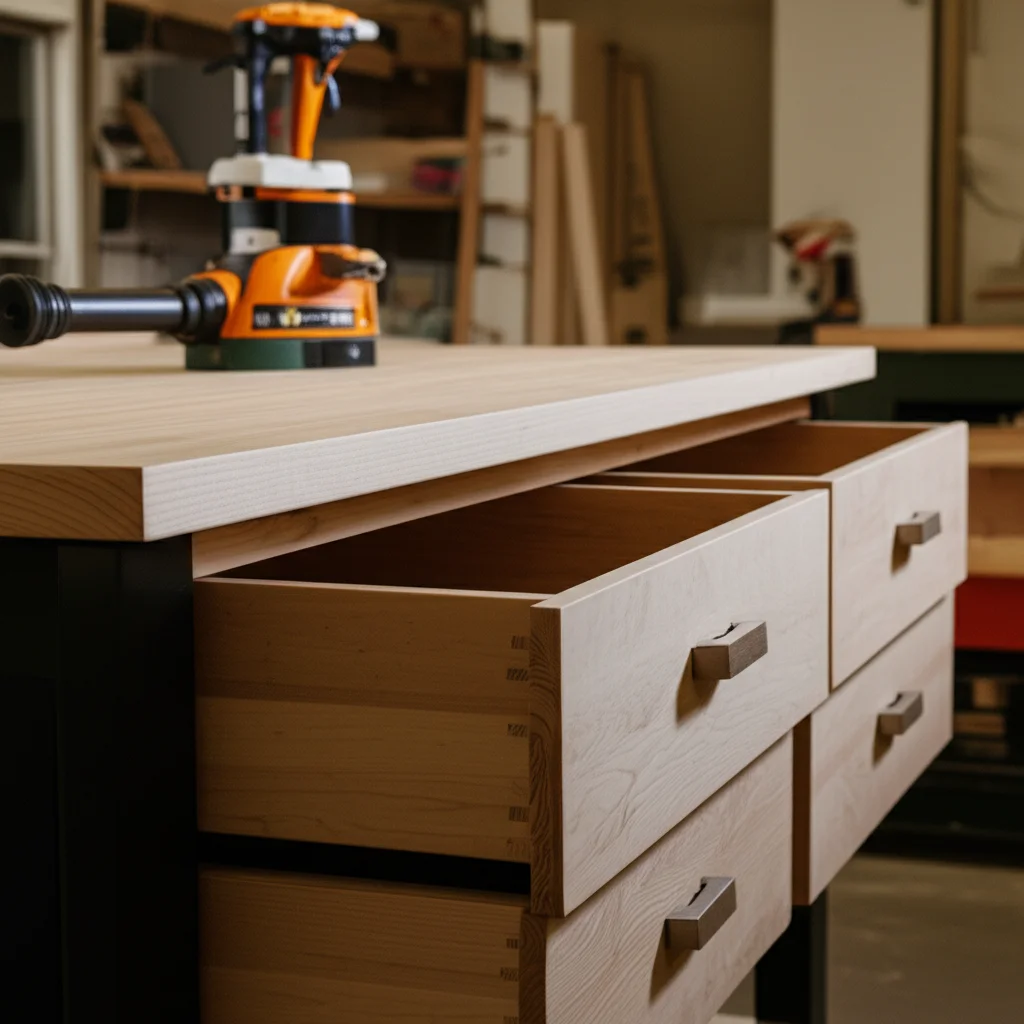
For the strongest and most traditional drawer box, consider dovetail joints. These interlocking finger-like projections offer incredible strength against pulling forces. They also look beautiful. Dovetails are more difficult to cut. They require practice or special jigs. They are perfect for high-quality furniture pieces. For guidance on creating wooden drawers, you can find more information on how to make a drawer out of wood. The choice of joinery depends on your tools, skill, and the demands on the drawer.
Step-by-Step Assembly of Your Drawer Box Frame
Assembling the drawer box is where your careful measurements pay off. With your pieces cut and joints chosen, it is time to bring them together. I find this stage very satisfying as the drawer begins to take shape.
Start by dry-fitting your pieces. This means putting them together without glue or fasteners. Check that all joints fit snugly. Ensure the box is square. If anything is off, adjust your cuts now before applying glue. A square drawer box is essential for smooth operation. It also ensures proper fit with slides and drawer fronts.
Apply wood glue to all mating surfaces of your joints. Do not use too much glue, but make sure it covers the entire joint. Too much glue can create a mess and make clamping difficult. Spread it evenly with a brush or your finger. Glue is what provides the primary bond for strength.
Bring the pieces together. Use clamps to hold them firmly while the glue dries. Bar clamps or parallel clamps work well for this. Clamp evenly to apply pressure across the entire joint. Check for squareness again after clamping. Use a large framing square to verify all corners are at 90 degrees. Adjust clamps as needed to square up the box. You can use a clamping square to help keep the box square.
Once clamped, secure the joints with fasteners. You can use screws, brad nails, or staples. For dado or rabbet joints, a few screws through the joint add extra strength. If you used butt joints, screws are crucial. Pre-drill pilot holes for screws to prevent splitting the wood. Let the glue dry completely according to the manufacturer’s instructions. This usually takes at least 30 minutes, but full cure can take 24 hours. A strong, square frame is the foundation of a good drawer box.
Installing the Drawer Box Bottom: Flat and Functional
The bottom panel of your drawer box supports the contents. It needs to be strong and installed correctly. There are several ways to install a drawer bottom. I usually choose a method based on the drawer’s intended use and the joinery of the box.
The most common method uses a groove cut into the bottom edge of the drawer sides, front, and back. This groove is typically ¼ inch wide and ⅜ inch deep. It sits about ⅜ inch up from the bottom edge of the drawer sides. The drawer bottom panel slides into this groove before final assembly of the drawer box. This creates a very strong and clean look. The bottom is fully captured within the frame. This method is ideal for most applications. It prevents the bottom from sagging or falling out under weight.
Another method is to simply recess the bottom panel and screw it into the lower edge of the drawer box sides. You can cut a rabbet along the bottom interior edge of the drawer box sides. The bottom panel then sits in this rabbet. This works well and is simpler than cutting full grooves. It uses screws to secure the bottom. Make sure to pre-drill pilot holes for screws to avoid splitting the wood.
A third method is to mount the bottom flush with the bottom edge of the drawer box. This is usually done with a butt joint and screws from underneath. This method is the weakest. It is best suited for very light-duty drawers. The bottom edge of the drawer box needs a flat surface to attach to.
For any method, cut the bottom panel slightly smaller than the outer dimensions of the drawer box. This allows for wood movement and easier fitting. Test fit the bottom before permanent installation. Apply glue in the grooves or along the rabbet, and slide the bottom into place. For recessed or flush bottoms, secure with screws. A well-installed bottom ensures the drawer can hold its contents reliably for years.
Sanding, Finishing, and Preparing Your Drawer Boxes
Once your drawer box is assembled, sanding is the next crucial step. It prepares the wood for finishing and ensures a smooth, pleasing surface. I never skip this step because a good finish depends on good sanding.
Start with a medium-grit sandpaper, like 120-grit. Sand all surfaces of the drawer box, inside and out. Pay special attention to any glue squeeze-out. Glue spots will not absorb stain or finish properly, leaving unsightly blotches. Remove all traces of dried glue. Work with the wood grain to avoid scratches. Use a sanding block or orbital sander for flat surfaces. For edges and corners, hand sanding might be best.
After 120-grit, move to a finer grit, like 180-grit or 220-grit. This removes the scratches left by the coarser sandpaper. Sand thoroughly until the surface feels smooth to the touch. Do not press too hard; let the sandpaper do the work. After sanding, wipe down the entire drawer box with a tack cloth or a damp cloth to remove all dust. Dust can spoil your finish.
Now, consider applying a finish. A finish protects the wood and enhances its beauty. For inside a cabinet, a simple clear coat is often enough. Polyurethane, lacquer, or shellac are common choices. These finishes protect against moisture and wear. Apply thin coats according to product directions. Lightly sand between coats with a very fine grit (320-grit or higher) for a smoother final result. If the drawer will be visible or stained, apply wood conditioner before staining. This helps achieve an even stain color. Then apply your chosen stain and follow with a protective topcoat. Proper finishing makes your drawer boxes durable and easy to clean.
Mounting Drawer Slides: Ensuring Smooth Operation
Drawer slides are essential for the smooth movement of your drawer boxes. Choosing the right slides and installing them correctly makes a huge difference. I always aim for effortless gliding.
There are several types of drawer slides. Side-mount slides are common. They attach to the side of the drawer box and the inside of the cabinet. They come in various lengths and weight capacities. Under-mount slides attach to the bottom of the drawer box and hide underneath. They offer a cleaner look. Center-mount slides run along the bottom center of the drawer box. They are simple but generally offer less weight capacity. For heavy-duty use, full-extension slides are best. They allow the drawer to pull out completely. This provides full access to contents.
Before installing, read the instructions that come with your slides. Each manufacturer may have specific requirements. Start by attaching the cabinet-side members of the slides to the cabinet frame. Use a level and a square to ensure they are perfectly parallel and level. Measure carefully from the bottom of the cabinet opening to ensure both slides are at the same height. This is crucial for smooth operation.
Next, attach the drawer-side members of the slides to your drawer box. The position depends on the type of slide. For side-mount slides, center them along the sides of the drawer box. For under-mount slides, follow the specific template or instructions. Again, pre-drill pilot holes to prevent splitting. Ensure the slides are flush with the front edge of the drawer box, unless otherwise specified.
Finally, gently slide the drawer box into the cabinet. It should slide in and out smoothly without binding. If it sticks, check the alignment of the slides. Small adjustments can often fix minor issues. You can find more details on general cabinet construction if your project involves building new cabinetry for your drawers, by referring to guides such as how to build your own closet cabinets or how to build base kitchen cabinets. Proper slide installation ensures your drawer boxes are functional and enjoyable to use.
Attaching Drawer Fronts for a Professional Look
Attaching the drawer front is the final step in creating a functional and attractive drawer. The drawer front is the visible part that matches your cabinet or furniture. It covers the drawer box. I always take my time here to ensure perfect alignment.
There are two main ways to attach drawer fronts: temporary and permanent. A temporary attachment is useful for alignment. You can use double-sided tape or hot glue to temporarily hold the front in place. This allows you to position it perfectly on the drawer box. Ensure even gaps around the drawer front. Use spacers if needed to create consistent reveals. Once aligned, you can use clamps to hold it securely.
For permanent attachment, screws are the most common method. From inside the drawer box, drive screws through the drawer box front into the back of the drawer front. Use screws that are long enough to provide a strong hold but not so long that they go through the front. Typically, 1-inch or 1¼-inch screws work well depending on the thickness of your drawer front. Pre-drill pilot holes to prevent splitting. If your drawer front has a specific design, like a panel, consider where the screws will go to avoid interfering with it.
If you are attaching pulls or knobs, these can also help secure the drawer front. Drill holes for the hardware from the front of the drawer. The hardware screws will pass through the drawer front and into the drawer box. This provides additional stability. For a detailed guide on creating these visible components, you can refer to resources on how to build drawer fronts. You can also learn more about the final steps of connection with guides such as how to attach a drawer front. Proper attachment ensures the drawer front stays firmly in place. It also completes the look of your project.
Tips for Building Durable Drawer Boxes and Avoiding Common Mistakes
Building high-quality drawer boxes takes practice and attention to detail. Following some key tips can greatly improve the durability and function of your drawers. I’ve learned these lessons over many projects.
First, always use quality materials. Do not skimp on wood or plywood. Good material is stable and strong. It resists warping and cracking. This makes your drawer boxes last longer and look better. Cheap wood can lead to frustration later.
Second, ensure your measurements are exact. Even a tiny error can cause the drawer to stick or wobble. Use a reliable tape measure and check all dimensions multiple times. A digital caliper can help with very precise measurements. Cut your pieces slowly and carefully. A sharp blade makes clean cuts.
Third, use strong joinery. Butt joints with only screws are often not enough for a drawer that will hold weight. Dadoes, rabbets, or dovetails offer much better strength. These joints distribute stress over a larger area. This prevents the drawer from falling apart with heavy use. Always use wood glue in addition to fasteners. Glue creates a bond stronger than the wood itself.
Fourth, clamp your assemblies square. A drawer box that is not square will never slide smoothly. It will bind in the opening. Use clamps and check for squareness repeatedly during assembly. Let the glue dry fully before removing clamps. This ensures the joints cure properly.
Finally, consider the weight the drawer will hold. For heavy items, use thicker material and heavy-duty drawer slides. Overloading a drawer designed for light use will shorten its life. By following these tips, your homemade drawer boxes will be strong, functional, and long-lasting. If you’re undertaking a project like building a nightstand, strong drawers are essential, as outlined in guides such as how to build a nightstand with 2 drawers. Learning to prevent common errors will improve your woodworking skills.
FAQ Section
What is the best wood to use for drawer boxes?
The best wood for drawer boxes is typically plywood, especially Baltic birch, for its stability and strength. Solid hardwoods like maple or birch are also excellent choices for durable drawer sides. Softwoods like pine can work for light-duty drawers but are less resistant to wear. Your choice depends on budget and the drawer’s purpose.
How do you measure for a drawer box?
To measure for a drawer box, first measure the width, height, and depth of the cabinet opening. For standard side-mount slides, subtract 1 inch from the opening width. The height of the box should be slightly less than the opening height. The depth depends on your slides and cabinet depth.
What type of joinery is strongest for drawer boxes?
Dovetail joints are the strongest type of joinery for drawer boxes, offering excellent resistance to pulling forces. Dado joints and rabbet joints also provide strong and stable connections. Butt joints with screws are the simplest but offer the least strength for heavy use. Always use wood glue.
Can I build drawer boxes without a table saw?
Yes, you can build drawer boxes without a table saw. A circular saw with a straight edge guide can make accurate cuts for the drawer pieces. A router can cut dados and rabbets. However, a table saw simplifies the process and often provides greater precision for repetitive cuts.
How do I make sure my drawer box slides smoothly?
To ensure smooth drawer operation, first build a square drawer box. Second, install drawer slides perfectly level and parallel within the cabinet opening. Measure carefully and use a level during installation. Small adjustments to the slide position can often fix binding or sticking issues.
How much clearance do I need for drawer slides?
Most standard side-mount drawer slides require ½ inch of clearance on each side of the drawer box. This means the total width of the drawer box should be 1 inch less than the clear opening width of the cabinet. Always check the specific manufacturer’s instructions for your chosen slides.
Conclusion
Building drawer boxes is a foundational skill in woodworking. It allows you to create custom storage solutions for any space. From selecting the right materials to perfecting your joinery, each step contributes to a functional and durable drawer. I have found immense satisfaction in transforming raw materials into useful additions to my home. This guide provides a clear path to build drawer boxes that will serve you well for years.
Remember, practice makes perfect. Do not be afraid to start with simpler joints and gradually work your way up to more complex ones. Focus on accuracy in your measurements and cuts. This will make assembly much easier and more successful. With these steps, you can confidently tackle your next project. Ready to enhance your home? Grab your tools and start building those custom drawer boxes today. Your organized home awaits.
- drawer construction
- DIY woodworking
- cabinetry
- wood drawer

Todd Martin
Senior Writer
With over 15 years of experience in home renovation and design, I started HEG to share what I’ve learned with homeowners who want to create spaces that are both beautiful and functional. I’ve always believed in a hands-on approach, and over the years, I’ve picked up practical solutions that actually work. Through HEG, I aim to make home improvement more approachable, sharing real tips that help you create a home you truly love.