
· Todd Martin · Boating Maintenance · 19 min read
How To Clean Boat Hull Fiberglass
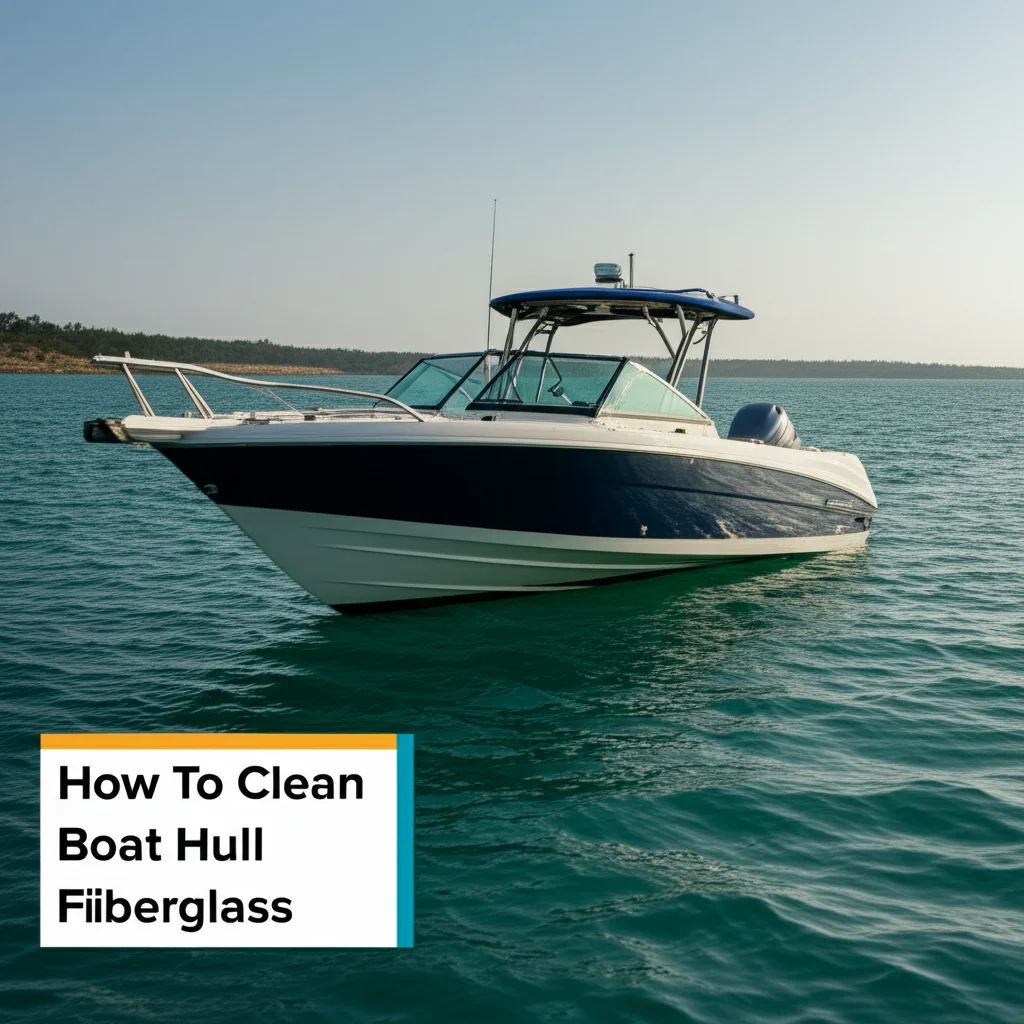
Restore Your Boat: How to Clean Fiberglass Hull Effectively
Maintaining your boat’s appearance is important. A clean hull not only looks good but also helps maintain its value and performance. Over time, your boat hull fiberglass gathers grime, algae, and stubborn stains from water exposure. Understanding how to clean boat hull fiberglass properly is key to preserving your vessel’s beauty and integrity. This guide provides clear steps to bring back its pristine look.
I will walk you through the entire process, from understanding common hull issues to applying protective finishes. We will cover essential tools, specific cleaning methods for different types of stains, and techniques for oxidation removal. By the end, you will have the knowledge to keep your fiberglass hull sparkling.
Takeaway
- Assess Condition: Identify types of stains and oxidation on your fiberglass hull.
- Gather Supplies: Collect appropriate cleaners, brushes, safety gear, and polishing tools.
- Start Gentle: Begin with mild detergents before moving to stronger solutions for stubborn spots.
- Address Specific Stains: Use specialized products for waterline marks, rust, and biological growth.
- Combat Oxidation: Restore faded gelcoat through compounding and polishing.
- Protect Your Work: Apply wax or sealant for long-lasting shine and easier future cleaning.
To clean boat hull fiberglass effectively, start by rinsing loose debris. Then, apply a marine-specific cleaner or mild soap with a soft brush or sponge. Address stubborn stains like algae, rust, or oxidation using targeted products. Finish by rinsing thoroughly and applying a protective wax or sealant.
Understanding Your Boat’s Fiberglass Hull
Your boat’s hull is its foundation, and for many boats, this means fiberglass. Fiberglass hulls are popular because they are strong and relatively light. The outer layer of a fiberglass hull is usually a gelcoat. Gelcoat gives the hull its color and provides a smooth, protective finish.
However, the marine environment is harsh. Water, sunlight, and biological growth constantly challenge your hull. Common problems include:
- Waterline Stains: These appear as brown or yellow lines along the hull where the water meets the boat. Minerals, pollutants, and tannin from decaying organic matter cause them. These stains can be tough to remove with regular soap and water.
- Algae and Barnacles: Boats left in the water will inevitably attract marine growth. Green algae, slime, and even hard-shelled barnacles cling to the hull. This growth not only looks unsightly but also reduces the boat’s efficiency by increasing drag.
- Oxidation: Exposure to UV rays from the sun causes the gelcoat to break down over time. This breakdown results in a chalky, dull appearance, often called oxidation. Light colors show oxidation more readily.
- Rust Stains: Metal fittings on your boat or nearby structures can drip rust onto the hull. These orange or reddish-brown marks can penetrate the gelcoat if left untreated.
- Scuff Marks and Fenders Stains: Contact with docks, other boats, or even your own fenders can leave dark scuff marks. These marks are usually from rubber or other materials rubbing against the fiberglass.
Understanding these common issues helps you choose the right cleaning approach. Each type of stain or degradation requires a specific method for best results. Neglecting these issues can lead to deeper problems, making future cleaning more difficult and potentially harming the gelcoat.
Essential Tools and Supplies for Cleaning Fiberglass
Cleaning your boat’s fiberglass hull requires the right set of tools and cleaning agents. Using the correct products prevents damage to the gelcoat and ensures an effective clean. Before you begin, gather everything you need. This preparation saves time and makes the job smoother.
Here is a list of essential items:
- Soft-Bristle Brushes: Choose brushes with soft bristles to avoid scratching the gelcoat. A long-handle brush helps you reach the bottom of the hull easily.
- Sponges and Wash Mitts: These are good for applying cleaners and gentle scrubbing. Microfiber mitts are excellent for their absorbency and softness.
- Buckets: You will need at least two buckets, one for clean wash solution and one for rinsing your dirty tools.
- Hose with Spray Nozzle: A strong spray helps pre-rinse the hull and thoroughly wash off cleaners.
- Marine Boat Soap/Wash: A pH-neutral, biodegradable soap specifically designed for boats is ideal. Avoid harsh household detergents that can strip wax.
- Specialized Hull Cleaners:
- Waterline Stain Remover: Products containing oxalic or hydrochloric acid are effective for these stains.
- Algae/Mildew Cleaner: Look for marine-safe cleaners that target biological growth. For fiberglass surfaces that suffer from stubborn biological growth, you might find some parallels with methods used to clean mold off boat seats.
- Rust Stain Remover: These often contain oxalic acid or other rust-dissolving agents. These are often similar to agents you might use to clean rust off concrete for other applications.
- Oxidation Remover/Compound: These products contain abrasives that cut through the oxidized layer. They come in different grades (light, medium, heavy).
- Polishing Pads and Buffer (Optional but Recommended): For larger boats or heavily oxidized hulls, a variable-speed rotary buffer with appropriate foam pads speeds up the compounding and polishing process significantly.
- Marine Wax or Sealant: This protects the gelcoat after cleaning and polishing. Liquid or paste waxes provide UV protection and a glossy finish.
- Safety Gear:
- Gloves: Chemical-resistant gloves protect your hands from harsh cleaners.
- Eye Protection: Safety glasses or goggles are crucial to shield your eyes from splashes.
- Respirator/Mask: Use this when working with strong fumes or when buffing creates dust.
- Pressure Washer (Use with Caution): A low-pressure setting can help remove loose debris and marine growth. High pressure can damage gelcoat.
- Detailing Supplies: Microfiber towels for wiping and buffing, and a soft chamois for drying.
Having these items ready ensures you can tackle every aspect of cleaning your fiberglass hull efficiently and safely. Choosing marine-specific products often provides the best results for your boat’s unique materials and environment. For other fiberglass cleaning tasks around your home, knowing how to clean a fiberglass shower floor can provide additional insights into general fiberglass care.
Pre-Cleaning Steps: Preparing Your Boat Hull
Proper preparation sets the stage for effective hull cleaning. Rushing this phase can make the cleaning process harder and less efficient. These preliminary steps help remove loose dirt and ensure you have a safe, organized workspace.
First, consider your boat’s location. If your boat is on a trailer, find a flat, stable surface. Ensure you have ample space to move around the hull safely. If your boat is in the water, cleaning the hull below the waterline becomes more challenging. For in-water cleaning, you might need to use a diving kit or a long-handle brush from above. Hauling the boat out of the water provides the best access for thorough cleaning.
Next, give the entire hull a good rinse with a hose. Use a strong stream of water to wash away loose dirt, sand, and light biological growth. Start from the top of the hull and work your way down. This initial rinse removes the easiest debris, allowing your cleaning products to work on the tougher stains. If you have access to a pressure washer, use it on a low-pressure setting. Hold the nozzle at a distance to avoid damaging the gelcoat. High pressure can force water into cracks or even peel off old wax.
After rinsing, you need to protect surrounding areas. If you are on a driveway or near landscaping, consider where the runoff water will go. Some hull cleaners contain acids or strong chemicals. These can harm plants or concrete. You might need to tarp off sensitive areas or use a collection system for runoff, especially if using strong chemicals. Always check local environmental regulations regarding discharge, especially near water bodies.
Finally, gather all your cleaning supplies and place them within easy reach. This prevents interruptions and ensures a smooth workflow. Put on your safety gear: gloves, eye protection, and a respirator if you anticipate strong fumes. Being prepared helps you focus on the task and work safely. Proper pre-cleaning makes the actual cleaning much easier and more effective, ensuring your hull gets the best possible treatment.
Tackling Common Boat Hull Stains
Once your boat hull is prepped, it is time to tackle the specific stains. Different types of stains require different approaches and cleaning agents. Using the right product for the right stain saves effort and protects your gelcoat.
Waterline Stains (Brown/Yellow)
Waterline stains are very common. They appear as a distinct line where your boat sits in the water. These stains come from minerals, rust, or organic matter in the water. Standard soap will not remove them.
To remove waterline stains, use a marine-specific hull cleaner designed for this purpose. Many of these products contain oxalic acid or other mild acids. Apply the cleaner directly to the dry stained area. Use a soft brush or sponge to spread it evenly. Let the cleaner dwell for a few minutes, as directed by the product label. You will often see the stain disappear before your eyes. Rinse the area thoroughly with fresh water afterward. For tough stains, a second application might be necessary. Some boat owners even use common household vinegar for lighter stains, much like you might clean mold with vinegar in other areas.
Algae and Mild Growth
Green algae and slimy films are common on hulls left in the water. They are usually easy to remove if caught early.
For algae, a marine boat wash or a diluted bleach solution works well. Mix your boat wash with water according to instructions. Apply it to the hull using a soft-bristle brush. Scrub the affected areas thoroughly. For more stubborn algae or mildew, a 1:10 bleach-to-water solution can be effective. Always test a small, inconspicuous area first. Ensure good ventilation if using bleach. Rinse immediately and completely with fresh water. For more persistent mold or mildew, you may find that some cleaning techniques for textured surfaces, like how to clean a fiberglass tub with textured bottom, can offer transferable wisdom.
Barnacles and Hard Growth
Barnacles are harder to remove than algae. They are calcified organisms that attach firmly to the hull. Never try to scrape them off with a metal scraper, as this will damage your gelcoat.
For barnacles, you might need a specialized barnacle remover, which usually softens the shells. Alternatively, carefully use a plastic scraper or a stiff plastic brush to chip them away. You might need to knock them off with a hammer and a wooden block to protect the hull. After removing the bulk of the barnacles, use a hull cleaner for the remaining stains or residue. Always be gentle to avoid scratching the fiberglass.
Rust Stains
Rust stains often come from metal fittings, anchors, or even fishing gear left on deck. They can be very unsightly.
Use a dedicated marine rust stain remover. These products contain agents that dissolve rust without harming fiberglass. Apply the remover to the stain with a sponge or cloth. Allow it to sit for the recommended time. The rust stain should begin to fade or disappear. Rinse the area thoroughly with fresh water. If the stain persists, reapply or gently scrub with a soft brush.
By choosing the right cleaner for each specific type of stain, you can effectively restore your boat’s hull. Always follow product instructions carefully and prioritize safety by wearing gloves and eye protection.
Removing Oxidation and Restoring Shine
Over time, sun exposure causes your boat’s gelcoat to oxidize. This results in a dull, chalky appearance that masks the original vibrant color. Removing oxidation is a crucial step to restore your fiberglass hull’s shine and protect it from further damage. This process involves a combination of compounding and polishing.
What is Oxidation? Gelcoat is a resin that sits on the surface of your fiberglass. UV rays break down the resin’s molecular bonds. This causes the pigment to lose its color vibrancy and the surface to become rough and porous. You can often feel this as a chalky residue when you rub your hand across it. Oxidation makes the hull look old and neglected, even if it is otherwise well-maintained.
Compounding: Compounding is the first step in oxidation removal. Compounds are abrasive liquids or pastes. They work by removing a microscopic layer of the oxidized gelcoat, revealing the fresh, un-oxidized layer underneath. Compounds come in different grades:
- Light Cut: For minimal oxidation or to remove minor swirl marks.
- Medium Cut: For moderate oxidation and light scratches.
- Heavy Cut: For severe oxidation and deeper scratches.
Apply a small amount of compound to a foam or wool pad. If using a rotary buffer, spread the compound evenly over a small section (about 2x2 feet) before turning on the machine. Work the compound into the gelcoat using consistent, overlapping passes. Maintain moderate pressure. You will see the chalkiness disappear and the color become vibrant again. If working by hand, use a firm, circular motion with an applicator pad. This takes more effort but is effective for smaller areas or lighter oxidation. Regularly clean your pads to avoid transferring removed oxidation back onto the surface.
Polishing: After compounding, the gelcoat will look much better, but it might have fine swirl marks from the compounding process. Polishing refines the surface further, removing these marks and enhancing the gloss. Polishes contain finer abrasives than compounds.
Apply a small amount of marine polish to a clean, soft foam pad. Work in small sections, similar to compounding. Use a slightly lighter pressure. The goal is to achieve a deep, mirror-like finish. For best results, use a dual-action polisher or orbital buffer. This tool creates less heat and minimizes swirl marks, making it safer for beginners. Wipe off polish residue with a clean microfiber towel.
Tips for Success:
- Work in Shade: Direct sunlight can cause compounds and polishes to dry too quickly, making them harder to work with and potentially leaving streaks.
- Small Sections: Always work on small areas. This ensures the product stays wet and workable, allowing for thorough application.
- Cleanliness: Keep your pads clean. Rinse them frequently or use multiple pads to avoid contaminating your work.
- Test Spot: Always test compounds and polishes on a small, inconspicuous area first. This helps you determine the right grade of product and technique for your hull’s specific oxidation level.
Removing oxidation is a time-consuming but highly rewarding process. It rejuvenates your boat’s appearance and prepares the surface for vital protection. The difference before and after will be dramatic, making your boat look years younger.
Post-Cleaning Protection and Maintenance
After you have put in the effort to clean and restore your boat’s fiberglass hull, the next crucial step is protecting that hard work. Applying a protective layer not only maintains the hull’s newfound shine but also makes future cleaning much easier. This step is essential for long-term hull health.
The primary way to protect your fiberglass hull is by applying a marine wax or sealant. These products create a barrier over the gelcoat. This barrier helps to:
- Protect against UV Rays: Just like sunscreen for your skin, wax or sealant shields the gelcoat from harmful ultraviolet radiation. UV rays are the main cause of oxidation and fading. A good protective layer significantly slows down this process.
- Repel Water and Stains: A waxed surface is hydrophobic, meaning water beads up and rolls off. This reduces water spotting and makes it harder for algae, grime, and waterline stains to stick. Stains that do form are much easier to wipe away.
- Enhance Shine: Wax or sealant adds a final layer of gloss, making the hull look even more vibrant and deep. It seals in the shine achieved from compounding and polishing.
Choosing a Product:
- Marine Wax: Typically carnauba-based, providing a deep, warm shine. It is durable but might require reapplication every 3-6 months, depending on exposure.
- Polymer Sealants: These synthetic products offer longer-lasting protection, often up to 6-12 months or more. They might not have the same “depth” of shine as carnauba but excel in durability and ease of application.
- Hybrid Products: Some products combine wax and sealant properties for the best of both worlds.
Application Process:
- Ensure Cleanliness: The hull must be perfectly clean and dry before applying wax or sealant. Any dirt or residue will be trapped under the protective layer.
- Apply Thinly: Use an applicator pad to apply the wax or sealant in a thin, even layer. Work in small sections, about 2x2 feet at a time. Too much product makes it harder to remove.
- Allow to Haze: Let the product dry to a haze, as specified by the manufacturer’s instructions. This usually takes a few minutes.
- Buff Off: Using a clean, soft microfiber towel, buff the waxed area until it shines. Turn the towel frequently to a clean side. For larger areas, a random orbital buffer with a soft finishing pad can speed up buffing.
- Multiple Coats (Optional): Applying a second coat after an hour or two can provide enhanced protection and gloss.
Ongoing Maintenance: Protection is not a one-time job. Regular maintenance extends the life of your wax or sealant:
- Rinse After Every Use: A quick rinse with fresh water after each outing washes away salt, dirt, and minor contaminants.
- Regular Washing: Use a pH-neutral marine soap and a soft brush for periodic washes. This prevents dirt buildup and preserves the protective layer.
- Inspect Regularly: Check your hull for new stains or signs of diminishing wax protection (e.g., water no longer beading).
- Reapply Protection: Reapply wax or sealant as needed, typically every 3-12 months depending on the product and how often your boat is used or exposed to the elements.
By consistently protecting your hull, you ensure its longevity, maintain its aesthetic appeal, and save yourself considerable time and effort on future deep cleaning tasks. This ongoing care is a testament to pride in your boat.
Safety First: Protecting Yourself and the Environment
Cleaning your boat hull can involve strong chemicals and physical exertion. Prioritizing safety for yourself and the environment is just as important as achieving a clean hull. Neglecting safety can lead to personal injury or environmental harm.
Personal Protective Equipment (PPE): Always wear appropriate PPE when handling cleaning chemicals.
- Gloves: Chemical-resistant gloves (nitrile or rubber) are essential to protect your skin from irritants and corrosive substances.
- Eye Protection: Safety glasses or goggles shield your eyes from splashes, fumes, and flying debris.
- Respirator/Mask: If using strong cleaners, compounds, or working in poorly ventilated areas, a respirator with appropriate filters protects your lungs from fumes and dust.
- Long Sleeves and Pants: Covering your skin minimizes exposure to chemicals and sun.
- Non-Slip Footwear: Boat ramps and dock areas can be slippery. Wear shoes with good grip to prevent falls.
Working Safely:
- Read Labels: Always read product labels and Material Safety Data Sheets (MSDS) before using any cleaning chemical. Follow all instructions for application, dwell time, and safety precautions.
- Ventilation: Work in a well-ventilated area. If working indoors, open doors and windows. Fumes from some cleaners can be potent and harmful.
- Mix Safely: Never mix different cleaning chemicals unless specifically instructed to do so by the manufacturer. Mixing can create dangerous reactions, toxic fumes, or render products ineffective. For example, mixing bleach with ammonia creates toxic chloramine gas.
- Proper Storage: Store chemicals in their original containers, clearly labeled, and out of reach of children and pets. Store them in a cool, dry place away from direct sunlight.
- Emergency Plan: Know what to do in case of accidental exposure (e.g., skin contact, eye contact, ingestion). Have access to fresh water for rinsing.
Environmental Considerations: Cleaning chemicals and the runoff from hull cleaning can impact the environment. Be mindful of where your wastewater goes.
- Collect Runoff: If possible, perform cleaning in an area where runoff can be contained and properly disposed of. Many marinas have designated wash-down areas with filtration systems.
- Avoid Storm Drains: Never allow cleaning chemicals or heavily contaminated water to enter storm drains, which often lead directly to natural waterways.
- Biodegradable Products: Whenever possible, choose marine-safe, biodegradable cleaning products. These break down more easily in the environment and have less impact.
- Proper Disposal: Dispose of unused chemicals and contaminated rags according to local regulations. Do not pour them down drains or directly onto the ground. Check with your local waste management facility for proper disposal methods.
- Preventative Measures: Regular rinsing and applying wax reduces the need for harsh chemicals, lessening your environmental footprint.
By taking these safety and environmental precautions, you can clean your boat hull effectively while protecting yourself and the delicate marine ecosystem. A responsible boater considers both the boat’s appearance and its impact on the world around it.
FAQ Section
Q1: How often should I clean my boat hull fiberglass? A1: The frequency depends on use and location. For boats kept in the water, a thorough cleaning might be needed every 1-3 months, with regular rinsing after each use. Boats on trailers need cleaning less often, usually before and after the boating season, and when visible dirt or stains appear. Regular maintenance prevents heavy buildup.
Q2: Can I use household cleaners like bleach or dish soap on my fiberglass hull? A2: Use caution with household cleaners. Dish soap is generally too harsh and can strip protective wax layers. Bleach can be used sparingly and diluted for specific stains like mold or algae, but excessive use can dry out or damage gelcoat over time. Always opt for marine-specific, pH-neutral products for best results and gelcoat longevity.
Q3: How do I remove black streaks from my fiberglass hull? A3: Black streaks often come from rainwater runoff mixed with dirt, pollutants, or deteriorated rubber from fittings. Use a marine-specific black streak remover. Apply the product to a clean cloth and wipe the streaks away. For stubborn streaks, a soft brush might be needed. Rinse the area thoroughly afterward to remove any residue.
Q4: Is it necessary to wax my boat hull after cleaning? A4: Yes, waxing your boat hull after cleaning, especially after removing oxidation, is highly recommended. Wax or a polymer sealant provides a protective barrier against UV damage, prevents future staining, and enhances the gelcoat’s shine. This protective layer makes subsequent cleanings easier and extends the life of your hull’s finish.
Q5: What is the best way to remove tough barnacles from a fiberglass hull? A5: For tough barnacles, start by softening them with a specialized marine barnacle remover. Follow the product’s instructions for dwell time. Then, carefully use a plastic scraper or a stiff plastic brush to gently chip and pry them off. Avoid metal scrapers that can scratch the gelcoat. Rinse the area well to remove any remaining residue.
Conclusion
Cleaning your boat hull fiberglass is a significant part of boat maintenance. It keeps your boat looking its best and protects its long-term value. We have covered everything from understanding common hull issues like waterline stains and oxidation to selecting the right tools and products. We explored specific techniques for tackling various stains and the critical steps of compounding and polishing to restore shine. Finally, we emphasized the importance of post-cleaning protection and safety measures.
A clean, protected fiberglass hull performs better on the water and provides more enjoyment for you. By following these steps on how to clean boat hull fiberglass, you can confidently maintain your vessel. Make regular cleaning and protection a part of your routine. This will ensure your boat remains a source of pride for years to come. Now, grab your supplies and get ready to make your boat shine! Your boat will thank you for the care.
- how to clean boat hull fiberglass
- fiberglass boat cleaning
- marine hull maintenance

Todd Martin
Senior Writer
With over 15 years of experience in home renovation and design, I started HEG to share what I’ve learned with homeowners who want to create spaces that are both beautiful and functional. I’ve always believed in a hands-on approach, and over the years, I’ve picked up practical solutions that actually work. Through HEG, I aim to make home improvement more approachable, sharing real tips that help you create a home you truly love.