
· Todd Martin · Outdoor Gear Maintenance · 14 min read
How To Clean Sawyer Squeeze
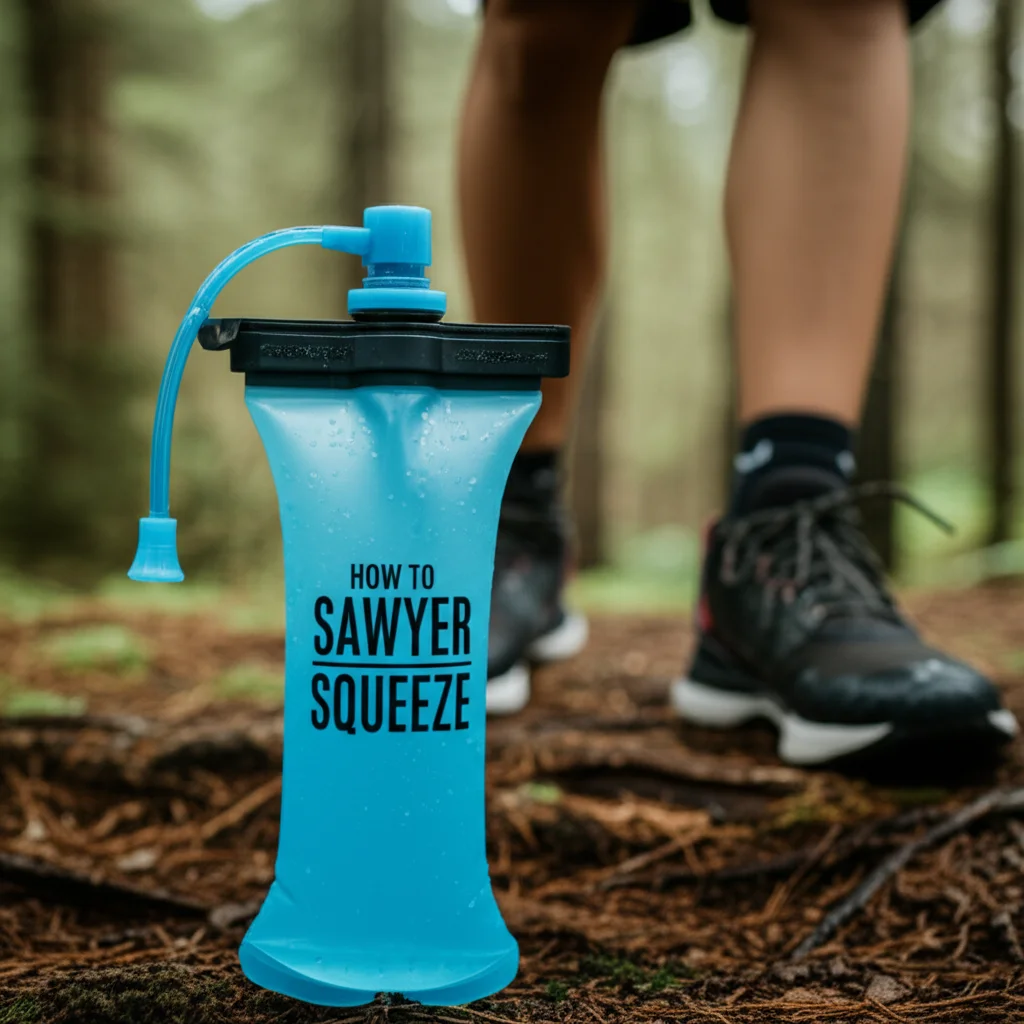
How to Clean Your Sawyer Squeeze Filter for Peak Performance
Clean water is vital, especially when you are out exploring. A reliable water filter, like the Sawyer Squeeze, keeps you hydrated and safe. But even the best tools need care. Knowing how to clean Sawyer Squeeze filters properly ensures they work well every time.
I have relied on my Sawyer Squeeze for many trips, and regular cleaning makes a big difference. This guide helps you understand why cleaning is important. We will cover the tools you need and give you simple, step-by-step instructions. You will learn how to backflush your filter, handle tough clogs, and store it right. This helps your filter last longer and always provides clean drinking water.
Takeaway
- Regular backflushing is crucial for maintaining flow rate.
- Always use the included syringe or a plastic bottle to clean.
- Never use harsh chemicals or boil your filter.
- Proper drying and storage prevent damage.
How do you clean a Sawyer Squeeze filter? You clean a Sawyer Squeeze filter by backflushing it with clean water. Use the included syringe or a clean plastic bottle to force water backward through the filter. This process clears out trapped sediment and restores the flow rate. Regular backflushing ensures your filter performs optimally for safe drinking water.
Understanding Your Sawyer Squeeze Filter’s Design
The Sawyer Squeeze filter is a micro-fiber filter. It has many tiny U-shaped hollow fibers inside. Water flows from the outside of these fibers to the inside. Dirt, bacteria, and protozoa get trapped on the outside walls of the fibers. Clean water then passes through the fiber walls.
This design is very effective at removing harmful particles. It stops things like E. coli, Giardia, and Cryptosporidium. The filter’s pores are so small that they physically block these contaminants. The filter does not use chemicals, making it a safe choice for many people. Its simple design also makes it lightweight and easy to carry.
Over time, these trapped particles build up. This buildup makes it harder for water to pass through. The flow rate slows down, and the filter can even stop working. This is why cleaning the filter is necessary. Cleaning pushes these trapped particles out. This process helps restore the filter’s original flow rate. Knowing how it works helps you understand why specific cleaning methods are important.
Essential Tools for Cleaning Your Sawyer Squeeze
You only need a few simple items to clean your Sawyer Squeeze filter. The most important tool is the backflush syringe. Sawyer includes this syringe with every filter. It is designed to fit perfectly onto the filter’s output nozzle. This fit creates a tight seal.
You also need a source of clean water. This water does not need to be purified for drinking. Tap water works well for cleaning purposes. A clean plastic bottle is also useful if you do not have the syringe. You can often screw the filter onto a standard plastic water bottle. Squeezing the bottle forces water through the filter. This method works well for backflushing when the syringe is not available.
- Sawyer Backflush Syringe: This small plastic syringe is the primary tool. It fits onto the filter’s clean water outlet. Using it forces water backward through the filter.
- Clean Water Source: Tap water, bottled water, or even filtered water from another source works. You need enough water to perform several backflushes.
- Clean Container: Use a bowl or basin to collect the dirty water. This prevents making a mess. It also lets you see the dirt being flushed out.
- Small Towel or Cloth: Have this nearby to wipe off excess water. It helps keep your work area tidy. This simple kit ensures effective maintenance.
These tools are all you need for basic maintenance. Remember, never use soap or harsh chemicals inside the filter. They can damage the delicate filter membranes. For more general guidance on keeping water clean, you might find tips on how to clean water filter helpful.
Step-by-Step Guide: How to Backflush Your Sawyer Squeeze
Backflushing is the main way to clean your Sawyer Squeeze filter. This process pushes dirty water out from the inside. It clears blockages from the filter’s pores. Regular backflushing keeps your filter working well. I backflush mine after every few uses or when the flow rate slows down.
Here are the steps to backflush your filter:
- Gather Your Supplies: Get your Sawyer Squeeze filter, the backflush syringe, and clean water. Find a sink or a basin to catch the dirty water. Make sure everything is ready before you start.
- Attach the Syringe: Remove the cap from the clean water output end of the Sawyer Squeeze filter. This is the smaller opening where filtered water comes out. Push the tip of the backflush syringe firmly onto this opening. Ensure it creates a tight seal so water does not leak out.
- Fill the Syringe: Draw clean water into the syringe. You can do this by placing the syringe tip into a bowl of clean water and pulling the plunger back. Fill the syringe completely. This ensures you have enough water for a strong flush.
- Backflush the Filter: Hold the filter over your sink or basin. Push the syringe plunger firmly and steadily. You will see dirty water come out of the filter’s input end. This is the larger opening where unfiltered water normally enters. Continue pushing until the syringe is empty.
- Repeat as Needed: Remove the syringe and repeat steps 3 and 4 several times. You might notice the water coming out gets clearer with each flush. Continue until the water runs clear. This means most of the trapped debris is gone. The flow rate of your filter should improve significantly.
Sometimes, after backflushing, you might notice small amounts of mold on the exterior plastic, especially if it was stored damp. Learning how to clean mold off plastic can address these external issues.
Advanced Cleaning Techniques for Stubborn Clogs
Sometimes, a simple backflush might not fully restore your Sawyer Squeeze. Stubborn clogs can form, especially with very silty or muddy water. These clogs block the flow significantly. When this happens, you need a more thorough cleaning approach. Do not give up on your filter yet.
One method involves soaking the filter. After a regular backflush, fill a container with clean water. Submerge your Sawyer Squeeze filter completely in this water. Let it soak for several hours, or even overnight. Soaking can help loosen deeply embedded particles. After soaking, perform another vigorous backflush. You might see more debris come out. This often improves the flow rate.
For truly tough clogs, try a series of quick, forceful backflushes. Instead of one continuous push, give the syringe short, sharp pushes. This creates pressure surges inside the filter. These surges can dislodge stubborn particles. You can also try backflushing from both ends if your filter model allows it, although the primary method is always through the clean output. Just be careful not to introduce dirty water into the clean side unintentionally. Always use only clean water for backflushing. Remember that these are not magic fixes but rather ways to amplify the basic backflushing action.
Another trick is to use a soft plastic bottle for backflushing. Some users find that squeezing a soft soda bottle attached to the clean output provides more pressure than the syringe. You can fill the bottle with clean water, attach the filter, and squeeze hard. This can generate a stronger burst of water. Be careful not to use too much force that might damage the filter. A little gentle flexing of the filter body during backflushing might also help dislodge particles. Always ensure any bottle you use is clean before attaching it to the filter. Thinking about general water storage for outdoor trips might also lead you to explore tips on how to clean water tank for your larger containers.
Proper Storage: Keeping Your Sawyer Squeeze Ready
Storing your Sawyer Squeeze filter correctly is as important as cleaning it. Improper storage can damage the filter. It can also reduce its lifespan. The biggest risk is freezing. If water freezes inside the filter, it expands. This expansion can break the tiny fibers. Once the fibers break, the filter no longer works safely.
First, always ensure your filter is completely dry before storing it. After cleaning, backflush it with clean water several times. Then, shake out any excess water. You can also blow air through it. Let it air dry for several days in a warm, dry place. Do not use heat, like a microwave or oven, to dry it. This heat can damage the filter material. You can even backflush it with air to push out more water.
Once dry, store the filter in a warm place. A closet or drawer inside your home is ideal. Avoid leaving it in your car or garage during winter. These places can get very cold. Keeping it above freezing protects the delicate internal fibers. I always bring mine inside after a trip, no matter the season.
- Dry Completely: After each use, and especially before long-term storage, ensure the filter is bone dry. Backflush with air, shake vigorously, and let it air dry for several days.
- Store Above Freezing: The most crucial rule. Never let your Sawyer Squeeze freeze. Store it in a place where temperatures remain above 0°C (32°F). Freezing water expands and destroys the filter’s integrity.
- Keep Away from Chemicals: Store the filter separately from strong chemicals or fuels. These substances can leach odors or even damage the filter material over time.
- Use Original Caps: Replace the caps on both ends of the filter. This keeps the inside clean and protects the filter ends from dirt or damage. The caps also prevent any lingering moisture from escaping too quickly.
Following these storage steps means your Sawyer Squeeze will be ready for your next adventure. You will not have to worry about a damaged filter when you need it most.
Troubleshooting Common Sawyer Squeeze Cleaning Issues
Even with regular care, you might encounter issues with your Sawyer Squeeze. Knowing how to troubleshoot these problems saves time and frustration. Most problems relate to flow rate or suspected damage. I have faced a few myself, and often, the solution is simple.
Slow Flow Rate: This is the most common issue. It usually means the filter is clogged. Your first step should always be a thorough backflush. Use strong, steady pushes of the syringe. If the flow is still slow, try soaking the filter in clean water for a few hours. Then backflush again vigorously. Sometimes, multiple backflushes are needed to clear stubborn debris. Ensure you are using enough clean water for the backflushing process.
Suspected Freezing Damage: If you think your filter might have frozen, test it. Fill the filter with water and observe if it leaks or drips without pressure. A frozen filter often has damaged internal membranes, leading to leaks. It might also have a significantly reduced flow rate even after backflushing. If you suspect freezing, it is safer to replace the filter. You cannot repair a frozen filter. There is no reliable way to fix it once the internal fibers are compromised.
Mold Growth: Mold can appear on the outside of the filter or on the squeeze pouches if not dried properly. For external mold, you can wipe it with a dilute bleach solution or a vinegar solution. Make sure not to let these solutions enter the filter’s interior. Rinse the exterior thoroughly afterward. For the squeeze pouches, wash them with warm soapy water and air dry them completely. Never put bleach or soap inside the filter itself. You can find more information on handling mold on surfaces in general, which might be similar for external cleaning, by looking at articles such as how to clean mold off walls or how to clean mold with vinegar, but always remember to keep chemicals away from the filter membrane.
Lost Syringe: If you lose your backflush syringe, do not worry. You can still backflush your filter using a standard plastic water bottle. Most Sawyer filters fit onto the threads of common plastic soda bottles. Fill the bottle with clean water, screw the filter on, and squeeze the bottle to force water backward through the filter. This method works very well as an alternative. Keep a spare syringe if you travel often.
Why Regular Cleaning of Your Water Filter Matters
Maintaining your Sawyer Squeeze filter is not just about extending its life. It is about ensuring your safety and hydration in the outdoors. A well-maintained filter provides reliable access to clean drinking water. This peace of mind is invaluable, especially in remote areas. I always feel more confident on a trip knowing my filter is in top condition.
Firstly, regular cleaning ensures your filter maintains its optimal flow rate. A clogged filter means you spend more time squeezing water. It can be frustrating to wait for drips when you are thirsty. Backflushing after each trip, or even during a longer trip, prevents major blockages. This makes hydration quick and easy.
Secondly, consistent cleaning protects the filter’s integrity. While freezing is the main threat to the filter’s structure, prolonged clogging can also strain the fibers. By keeping the filter clear, you reduce the stress on its internal components. This helps prevent premature wear and tear. It also ensures the filter continues to remove harmful contaminants effectively. A filter that is not cleaning well might still let dangerous microbes pass through.
Lastly, proper care means you avoid buying replacements too often. Sawyer Squeeze filters are durable, but neglect can shorten their lifespan. A small amount of effort in cleaning and storage saves you money in the long run. It also means you are ready for any adventure without having to buy new gear. Make cleaning a routine part of your outdoor gear maintenance. This habit pays off with every safe sip of water. Remember, your water filter is a lifeline in the backcountry. Treat it well.
FAQ Section
How often should I clean my Sawyer Squeeze? You should backflush your Sawyer Squeeze regularly, ideally after every major outing or whenever you notice a reduced flow rate. For long trips, backflush daily or every few liters, especially if filtering silty water. Consistent, small cleanings prevent larger clogs and maintain efficiency.
Can I use soap or chemicals to clean my Sawyer Squeeze? No, never use soap, bleach, or other harsh chemicals inside your Sawyer Squeeze filter. These substances can damage the delicate filter membranes and make the filter unsafe. Only use clean water for backflushing. Chemical residues can also make your water taste bad.
What if my Sawyer Squeeze is frozen? If your Sawyer Squeeze freezes, it is compromised. Water expands when it freezes, which breaks the tiny internal fibers. A frozen filter is no longer safe to use, even if it looks fine. It will not reliably filter out contaminants. You must replace a frozen filter immediately.
How do I know if my Sawyer Squeeze is clogged? The main sign of a clogged Sawyer Squeeze is a significantly reduced flow rate. Water will come out slowly, or you will need to apply much more pressure to get water through. If backflushing does not improve the flow, it indicates a stubborn clog or potential damage.
Can I clean the inside of the filter directly? No, you cannot physically clean the inside of the filter directly. The Sawyer Squeeze relies on backflushing to push trapped particles out. Attempting to open or manually clean the internal fibers will damage the filter and make it ineffective. Stick to the backflushing method.
What’s the best way to store a Sawyer Squeeze long-term? For long-term storage, ensure your Sawyer Squeeze is completely dry by backflushing with air and letting it air dry for several days. Then, store it indoors in a warm, dry place where temperatures will not drop below freezing. This prevents damage and mold growth, keeping it ready for use.
Conclusion
Keeping your Sawyer Squeeze filter clean is a simple but vital task. Regular cleaning ensures you always have safe, reliable drinking water for your adventures. We have covered the straightforward process of how to clean Sawyer Squeeze filters, focusing on the powerful backflushing technique. You now know the essential tools, advanced tips for stubborn clogs, and the importance of proper storage.
By making filter maintenance a part of your routine, you extend your filter’s life. You also guarantee its peak performance when you need it most. Do not let a clogged filter cut short your outdoor fun. Take care of your gear, and it will take care of you. So, get out there, explore, and stay hydrated with confidence, knowing your Sawyer Squeeze is clean and ready.
- Sawyer Squeeze cleaning
- water filter maintenance
- backflushing filter
- outdoor gear care
- portable water filter

Todd Martin
Senior Writer
With over 15 years of experience in home renovation and design, I started HEG to share what I’ve learned with homeowners who want to create spaces that are both beautiful and functional. I’ve always believed in a hands-on approach, and over the years, I’ve picked up practical solutions that actually work. Through HEG, I aim to make home improvement more approachable, sharing real tips that help you create a home you truly love.