· Todd Martin · Kitchen Hygiene · 14 min read
How To Clean Soda Gun
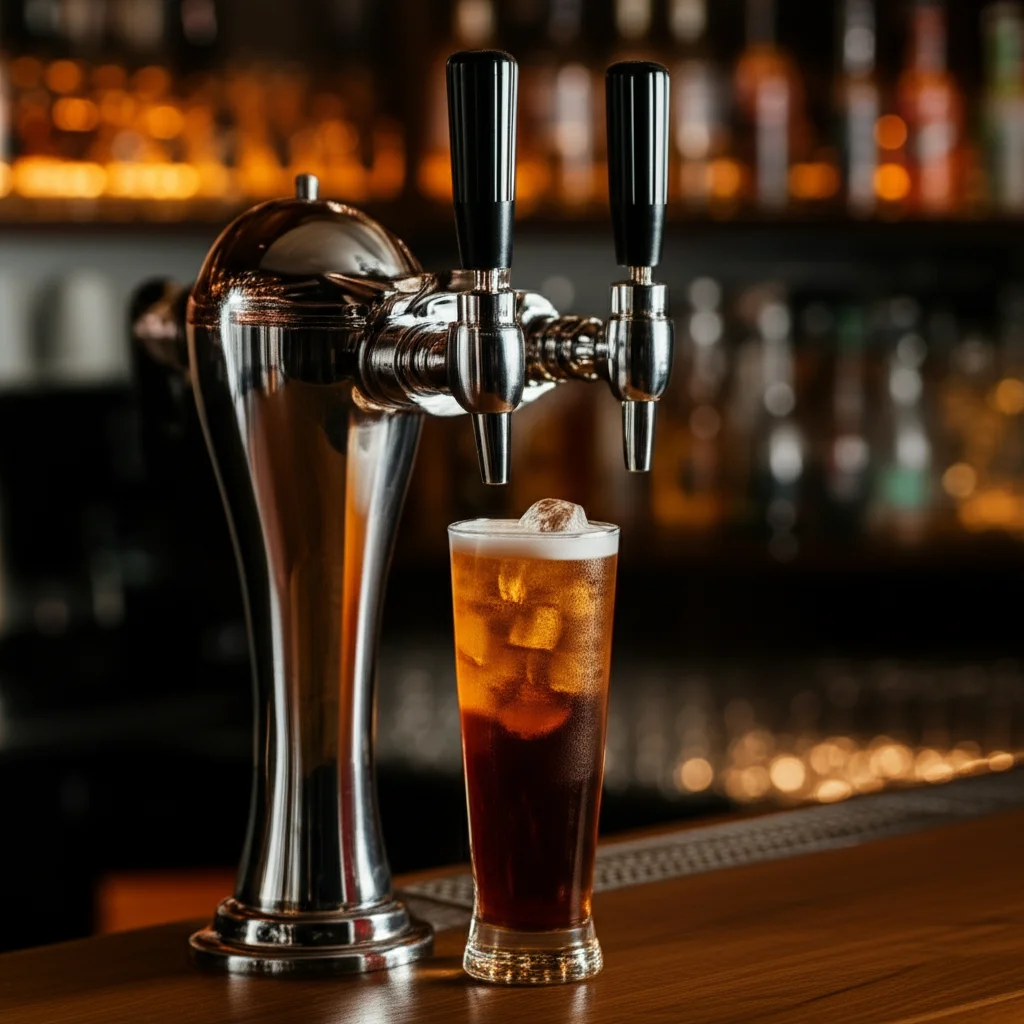
Clean Your Soda Gun: A Simple Guide
Imagine pouring a refreshing drink, only to find it tastes a little off. Often, the culprit is a dirty soda gun. Learning how to clean a soda gun is not just about good taste; it is vital for health and safety. Neglecting this crucial piece of bar equipment can lead to bacterial growth. It can also affect the quality of your beverages.
This guide will help you keep your soda gun sparkling clean. We will cover why cleaning matters. We will discuss the tools you need. Then, we will walk through daily routines and deep cleaning steps. You will learn how to clean syrup lines and reassemble your gun. Finally, we will share troubleshooting tips and maintenance advice. Get ready to serve the freshest drinks possible.
Takeaway: Keep Your Soda Gun Pristine
- Rinse your soda gun daily with warm water after closing.
- Perform a weekly deep clean, disassembling the nozzle and diffuser.
- Soak parts in warm, soapy water or an approved sanitizer solution.
- Use small brushes to scrub inside the nozzle and other components.
- Clean the syrup lines and holster regularly to prevent buildup.
To effectively clean a soda gun, you must perform daily rinses and weekly deep cleaning. Disassemble the nozzle and diffuser. Soak parts in warm, soapy water or a food-grade sanitizing solution. Scrub away syrup residue. Rinse thoroughly, then air dry. This ensures hygiene and preserves drink quality.
Why Cleaning Your Soda Gun Matters
Have you ever wondered why that carbonated drink tastes flat or strange? A dirty soda gun is often the cause. This piece of equipment handles many different syrups and carbonated water. Over time, these substances leave sticky residues.
This residue creates a perfect environment for bacteria and mold. These unseen guests can contaminate every drink you serve. They can also cause health problems for your customers. Regular cleaning protects public health. It also maintains a positive reputation for your establishment. A clean gun signals a commitment to quality.
Beyond hygiene, cleanliness affects taste. Old syrup and microbial growth alter the flavor profile of beverages. Drinks lose their crisp, fresh taste. Customers expect their sodas to taste as intended. A clean gun ensures consistent, high-quality drinks every time. This directly impacts customer satisfaction and repeat business.
Finally, proper cleaning extends the life of your equipment. Syrup residue can corrode internal components. It can block lines and nozzles. This leads to costly repairs or premature replacement. Regular maintenance saves money in the long run. It keeps your operations running smoothly without unexpected breakdowns.
Essential Tools and Supplies for Soda Gun Cleaning
Before you begin the cleaning process, gather your supplies. Having everything ready saves time and effort. You will need a few common items. Each item serves a specific purpose in effective cleaning.
First, get a dedicated cleaning bucket or basin. This container will hold your cleaning solution. It is also where you will soak disassembled parts. Make sure it is clean and used only for food-service equipment. Cross-contamination is a serious concern in kitchens.
Next, you need cleaning brushes. Look for small, narrow brushes designed for intricate parts. Bottle brushes, straw brushes, and detail brushes work well. These allow you to reach inside nozzles and other tight spaces. They help scrub away stubborn syrup buildup.
You will also need a food-grade cleaning solution or sanitizer. Many commercial options exist specifically for beverage dispensing equipment. You can also use a mixture of warm water and mild dish soap for general cleaning. For sanitizing, follow product instructions carefully. Some people also use natural solutions like cleaning with baking soda for deodorizing.
Finally, gather clean cloths or sponges. These are for wiping down the gun’s exterior and drying parts. Wear gloves to protect your hands from chemicals and for hygiene. Having all these items ready makes the cleaning process efficient and effective.
Daily Routine: Quick Clean for Your Soda Gun
Maintaining a soda gun requires consistent attention. Your daily cleaning routine prevents sticky buildup. It stops small issues from becoming big problems. This quick clean should happen at the end of every day.
First, turn off the carbon dioxide and syrup pumps. This step ensures safety. It also prevents spills during the cleaning process. You do not want unexpected pressure releases. Always prioritize safety when working with equipment.
Next, remove the soda gun from its holster. Some holsters have a drip tray. Empty and rinse this drip tray immediately. This area collects spilled syrup and water. It can quickly become a breeding ground for mold.
Then, flush the soda gun. Hold the gun over a drain or bucket. Press all buttons simultaneously. Let water run through for at least 30 seconds. This helps clear out any residual syrup from the lines. It pushes out carbonated water too.
Finally, wipe down the exterior of the soda gun. Use a clean, damp cloth. Pay attention to the nozzle and handle. Sticky residue attracts pests. A quick wipe keeps the gun looking presentable. This daily habit ensures your gun stays fresh for the next day. It also makes deep cleaning easier.
Weekly Deep Clean: Dismantling Your Soda Gun
A weekly deep clean is essential. It addresses buildup that daily rinsing misses. This process involves disassembling parts. It ensures thorough sanitation. I find this step crucial for long-term hygiene.
Start by shutting off the CO2 and syrup lines. This step is critical for safety. You need to relieve any pressure in the system. Disconnect the soda gun from the carbonator and syrup boxes if possible. This makes the gun completely portable for cleaning.
Carefully remove the nozzle and diffuser from the soda gun head. These parts are often twisted or pulled off. Consult your soda gun’s manual if you are unsure. Each model might have slight variations. Be gentle to avoid damaging small components.
Now, soak these disassembled parts. Place them in a bucket with warm, soapy water. Alternatively, use a food-grade sanitizing solution. Let them soak for at least 15-20 minutes. This helps loosen dried syrup and dissolve sugar. Some sticky residues, like those found on kitchen pots, benefit from a good soak or a scrub with a mild abrasive. You might even consider a scrub with baking soda to clean pots if dealing with very stubborn grime on other kitchen items, which shows its cleaning power.
While parts soak, use small brushes to clean internal components. Scrub inside the nozzle, diffuser, and any other removable parts. Pay close attention to crevices where syrup can hide. Thorough scrubbing is key to removing all contamination. Just like when you clean your stove, you need to get into all the nooks and crannies. Rinse all parts thoroughly with clean, warm water after scrubbing. Ensure no soap residue remains.
Cleaning the Syrup Lines and Holster
Cleaning the soda gun itself is only part of the job. The syrup lines and holster also require regular attention. Neglecting these areas can re-contaminate your freshly cleaned gun. This compromises all your hard work.
Syrup lines carry concentrated sweeteners from their boxes to the gun. Over time, sugar residues can build up inside these lines. This buildup can restrict flow. It can also create an environment for mold and bacteria. Flushing these lines is important. Use a specialized line cleaning solution recommended by the manufacturer. Follow the instructions precisely. This often involves connecting a cleaning solution directly to the syrup pump. Then, you run it through the lines.
The soda gun holster is another critical area. It holds the gun when not in use. Spills and drips often accumulate here. This creates a sticky, dirty mess. Remove the holster if possible. Wash it thoroughly with warm, soapy water. Use a brush to scrub all surfaces. For persistent grime, a general all-purpose cleaner might be needed. Just like a bathroom requires consistent cleaning to prevent buildup, so does this frequently used area. Maintaining the holster is as vital as keeping your bathroom clean.
If the holster is fixed, wipe it down meticulously. Use a clean cloth and a sanitizing spray. Ensure all syrup drips and splashes are removed. Pay attention to the inside where the gun rests. A clean holster prevents cross-contamination. It also keeps the gun from getting dirty again right after cleaning. Consistent attention to these areas supports overall beverage hygiene.
Reassembly and Testing Your Clean Soda Gun
After thorough cleaning, proper reassembly is next. This step ensures the soda gun functions correctly. It also prevents leaks or other issues. Take your time to do it right.
First, ensure all parts are completely dry. Air drying is best to prevent water spots. It also reduces the risk of moisture-related growth. A damp cloth can wipe excess water. However, allow parts to fully air dry before putting them back together.
Next, carefully reattach the diffuser and nozzle to the soda gun head. These parts usually click or twist into place. Refer to your soda gun’s manual if you need a reminder. Forgetting how to put things back together is common. Small components fit only one way. Do not force them. For instance, when you clean a spray foam gun, reassembly requires attention to unique parts, much like a soda gun.
Once the gun is reassembled, reconnect it to the syrup lines and carbonator. Double-check all connections. Make sure they are secure. Loose connections can lead to leaks or poor performance. I always give them an extra tug to be sure.
Finally, test the soda gun. Press each button individually. Ensure that the correct beverage dispenses. Check for proper flow and carbonation. Look for any leaks around the nozzle or connections. If you notice any issues, disassemble the problematic area and recheck. Sometimes a small piece is misaligned. This final test confirms your cleaning was successful. Your soda gun is now ready to serve fresh, delicious drinks.
Troubleshooting Common Soda Gun Cleaning Issues
Even with regular cleaning, you might encounter issues. Knowing how to troubleshoot helps resolve problems quickly. Here are some common challenges and their solutions. Addressing these ensures your soda gun always performs its best.
Blocked Nozzles or Slow Flow: This is a common problem. It usually means syrup or mineral buildup is obstructing the opening. If your daily flush does not clear it, a deep clean is necessary. Disassemble the nozzle and diffuser. Soak them in a hot, soapy solution. Use a small, stiff brush to scrub the inside. Sometimes, a toothpick can carefully clear small blockages. Ensure you rinse thoroughly after scrubbing.
Off-Taste or Odor in Drinks: An unpleasant taste or smell indicates bacterial or mold growth. This often happens from inadequate cleaning or dirty syrup lines. Perform an immediate deep clean of the soda gun, including full disassembly. Also, flush all syrup lines with a food-grade sanitizing solution. Make sure the gun is fully sanitized. The solution for this is similar to needing to clean a drain with baking soda when it smells. You need to target the source of the odor.
Mold Growth: Mold appears as black or green spots. It loves damp, sugary environments. If you see mold, a strong sanitizing solution is required. Soak all affected parts for an extended period. Scrub meticulously with brushes. Ensure all visible mold is gone. Then, increase the frequency of your deep cleaning. Ensure all parts dry completely after washing. Proper ventilation can also help prevent future mold.
Leaking Soda Gun: Leaks often point to worn-out O-rings or improper reassembly. Check all connections after reassembly. Make sure the nozzle and diffuser are seated correctly. If leaks persist, inspect the O-rings for cracks or damage. Replace them if necessary. Manufacturers often sell replacement kits. A small leak wastes product and creates a mess. Address it quickly.
No Carbonation: This problem is usually not cleaning related but can indicate a need for maintenance elsewhere. Check your CO2 tank and regulator. Ensure the tank has gas. Confirm the pressure is set correctly. If those are fine, inspect the carbonator itself. Sometimes, the issue is as simple as a disconnected line.
Solving these problems keeps your soda gun in top condition. Regular checks and prompt action prevent minor issues from escalating.
Maintenance Tips to Keep Your Soda Gun Pristine
Keeping your soda gun in top shape goes beyond cleaning. Regular maintenance ensures its longevity. It also guarantees consistent performance. I have learned that prevention is always better than a cure.
First, always use filtered water for your carbonator. Hard water can lead to mineral deposits. These deposits can clog lines and damage internal components. A water filter can extend the life of your entire beverage system. It also improves drink taste.
Inspect your soda gun regularly for wear and tear. Look for cracked hoses or damaged O-rings. These small parts are vital for preventing leaks. Replace any worn components immediately. Proactive replacement prevents bigger problems later on. A torn O-ring can cause significant leaks and pressure loss.
Avoid using harsh abrasive cleaners. These can scratch or damage the gun’s surfaces. They can also leave chemical residues. Stick to mild soap and food-grade sanitizers. This preserves the integrity of the materials. It also protects the safety of your drinks. Using the right cleaning agents is important for all appliances, just as it is for cleaning a dishwasher with baking soda or other kitchen tools.
Store your soda gun properly when not in use for extended periods. Disconnect it from the lines. Perform a thorough deep clean. Store it in a clean, dry place. This prevents dust and debris accumulation. It also stops any residual moisture from causing issues.
Finally, train all staff on proper soda gun handling and cleaning. Everyone who uses the gun should know how to perform the daily rinse. They should also understand the importance of weekly deep cleaning. Consistent practice from everyone ensures the gun stays clean. It also reduces the workload for any single person. Proper maintenance ensures your soda gun is always ready. It will dispense perfect drinks for years to come.
FAQ Section
How often should I clean my soda gun?
You should perform a quick rinse and exterior wipe of your soda gun daily. A thorough deep clean, involving disassembly and scrubbing, is essential once a week. This regular schedule prevents syrup buildup and bacterial growth. Consistent cleaning ensures optimal hygiene and drink quality.
What cleaning solutions are safe for soda guns?
Mild dish soap mixed with warm water works well for general cleaning. For sanitizing, use food-grade sanitizing solutions designed for beverage equipment. Always follow manufacturer instructions for dilution and contact time. Avoid harsh chemicals or abrasives that could damage the gun.
Can I clean a soda gun without disassembling it?
You can perform a daily quick rinse without disassembly. This flushes out immediate residues. However, for a complete and effective clean, disassembly is necessary. This allows you to reach internal components and remove stubborn buildup. Only full disassembly guarantees proper sanitation.
Why does my soda gun taste off after cleaning?
An off-taste usually means some residue or microbial growth remains. It might also indicate incomplete rinsing of cleaning solution. Re-disassemble the gun and scrub all parts thoroughly. Flush the syrup lines with sanitizer. Ensure all soap or sanitizer is completely rinsed away before use.
What are signs a soda gun needs cleaning?
Signs include sticky residue on the exterior, slow beverage flow, or unusual tastes. You might also notice mold inside the nozzle or an unpleasant odor. Any visible accumulation or changes in drink quality signal an immediate need for cleaning. Do not wait for these signs to appear.
How do I prevent mold in my soda gun?
Prevent mold by consistently performing daily rinses and weekly deep cleans. Ensure all parts are completely dry before reassembly after deep cleaning. Use a good sanitizing solution regularly. Storing the gun in a clean, dry environment also helps prevent mold growth.
Conclusion
Keeping your soda gun clean is simple. It makes a big difference in beverage quality and hygiene. We have explored why proper cleaning is so important. We have discussed the tools you need. We have shown you how to perform both daily and weekly cleaning routines. You now know how to tackle syrup lines and the holster. You can also confidently reassemble and troubleshoot your clean soda gun.
A well-maintained soda gun ensures every drink tastes its best. It protects the health of your customers. It also extends the life of your valuable equipment. Make cleaning your soda gun a priority. Integrate these steps into your routine today. Your customers and your business will thank you.
- soda gun cleaning
- beverage dispenser maintenance
- bar hygiene tips

Todd Martin
Senior Writer
With over 15 years of experience in home renovation and design, I started HEG to share what I’ve learned with homeowners who want to create spaces that are both beautiful and functional. I’ve always believed in a hands-on approach, and over the years, I’ve picked up practical solutions that actually work. Through HEG, I aim to make home improvement more approachable, sharing real tips that help you create a home you truly love.