· Todd Martin · Home Maintenance, HVAC · 15 min read
How To Clean Swamp Cooler
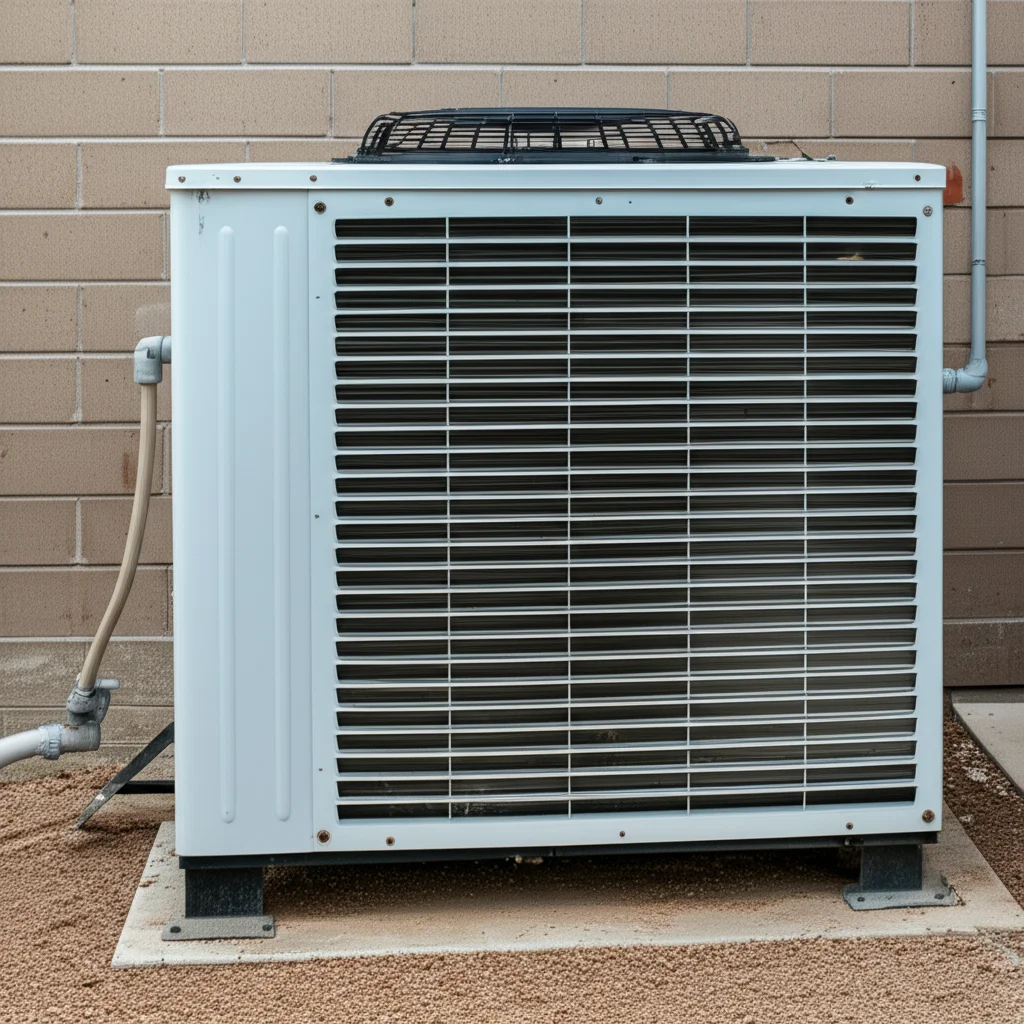
Unlock Peak Performance: How To Clean Your Swamp Cooler
Swamp coolers, also known as evaporative coolers, offer an energy-efficient way to cool your home, especially in dry climates. These systems work by drawing warm outside air through water-saturated pads, where evaporation cools the air before it circulates indoors. Over time, dust, mineral deposits, and even mold can build up, reducing efficiency and affecting air quality. Learning how to clean your swamp cooler properly keeps it running smoothly and extends its lifespan.
Regular maintenance is key to enjoying cool, fresh air all season long. A dirty cooler wastes energy and may even circulate unpleasant odors or allergens. This article will guide you through the essential steps for a thorough swamp cooler cleaning. We will cover the tools you need, safety precautions, and detailed instructions for each component. You will also learn how to tackle common issues like hard water scale and mold.
Takeaway:
- Regular swamp cooler cleaning boosts efficiency and air quality.
- Gather tools and prioritize safety before starting.
- Drain, disassemble, and clean components like pads and reservoir.
- Address hard water and mold for optimal performance.
- Perform routine checks for long-term cooler health.
To clean a swamp cooler, first disconnect power and drain all water. Remove and clean or replace the cooling pads, then scrub the water reservoir and internal components to remove mineral deposits and grime. Finally, reassemble and refill the unit, ensuring all parts are functioning correctly for efficient cooling.
Why Cleaning Your Swamp Cooler Matters
Cleaning your swamp cooler is not just about keeping it looking nice. It significantly impacts how well the unit performs and the quality of the air it produces. I always prioritize this task because I know it saves money and ensures my family breathes clean air. A clean cooler cools more effectively.
A dirty swamp cooler struggles to cool properly. Mineral deposits build up on the pads and in the water reservoir, blocking water flow and reducing evaporation. This means the cooler has to work harder to achieve the desired temperature. Harder work translates directly into higher energy bills.
Beyond energy savings, air quality is a major concern. Uncleaned water and pads can become breeding grounds for mold, mildew, and bacteria. When your swamp cooler runs, it circulates this contaminated air throughout your home. This can lead to unpleasant odors and potentially trigger allergies or respiratory issues for sensitive individuals. Regularly cleaning your swamp cooler prevents these problems. It ensures that the air circulated is fresh, cool, and healthy.
Gathering Your Tools and Safety First
Before you start any cleaning project, preparing your workspace and gathering the right tools is important. This makes the job easier and safer. I always make a list of everything I need to avoid interruptions once I begin. Safety is also paramount when working with electrical appliances and water.
Here is a list of the basic tools and supplies you will need:
- Gloves and Safety Goggles: Protect your hands from cleaning solutions and your eyes from splashes.
- Bucket or Wet/Dry Vacuum: For draining old water from the cooler.
- Stiff Bristle Brush or Scrub Brush: Essential for scrubbing away stubborn deposits.
- Mild Detergent or Commercial Cooler Cleaner: A gentle cleaner for general grime.
- White Vinegar or Descaling Solution: Crucial for tackling hard water mineral buildup. Many people find that cleaning with vinegar is effective for various household tasks, including descaling.
- Garden Hose with Spray Nozzle: For rinsing components thoroughly.
- Clean Cloths or Sponges: For wiping down surfaces.
- Screwdriver (Phillips or Flathead): You may need this to remove panels or components.
- New Cooler Pads (Optional): If your old pads are beyond cleaning or are very old.
Always remember to disconnect the power supply to your swamp cooler before you touch it. Turn off the circuit breaker that supplies power to the unit. This step prevents electric shock, which is a serious hazard. If your cooler is on the roof, ensure you have a stable ladder and someone to assist you for safety. Always wear your protective gear throughout the cleaning process.
Step-by-Step Guide to Cleaning Your Swamp Cooler
Cleaning a swamp cooler involves several distinct steps, each important for effective results. I break the process down into manageable sections to make sure I do not miss anything. Following these steps ensures a thorough clean and optimal performance.
Draining and Disconnecting
The first step is always safety and preparation. You must disconnect the power to the swamp cooler. Locate the circuit breaker in your home’s electrical panel and turn it off. This prevents accidental startup during cleaning. Next, open the drain plug or cap at the bottom of the swamp cooler’s reservoir. Allow all the old, dirty water to drain completely. You can use a bucket or a wet/dry vacuum to collect the water if needed. Once the reservoir is empty, you can carefully remove the side panels of the cooler. These panels usually slide out or are held in place with clips or screws.
Cleaning the Reservoir and Components
With the panels removed, you will see the internal components. The water reservoir at the bottom is often the dirtiest part, accumulating mineral deposits and sludge. Use your stiff-bristle brush and a mixture of warm water and mild detergent. Scrub the bottom and sides of the reservoir vigorously to remove all grime and scale. For stubborn hard water deposits, I find that a solution of equal parts white vinegar and water works wonders. Let it sit for 15-20 minutes before scrubbing. Then, rinse the reservoir thoroughly with a garden hose until no soap residue or loose debris remains. Clean the float valve, pump, and water distribution lines. Remove any mineral buildup or blockages from these parts. If the pump appears heavily scaled, you can soak it in a vinegar solution for a few hours.
Inspecting and Cleaning Cooler Pads
The cooler pads are crucial for evaporation. They absorb water and interact with the air. Carefully remove the pads from their frames. Inspect them for damage, tears, or excessive mineral buildup. If your pads are heavily saturated with mineral deposits, mold, or simply falling apart, it is best to replace them. This is often the most impactful step for improving air quality and efficiency. You can easily find air cooler honeycomb pads online or at hardware stores. If the pads are still in good condition but dirty, you can clean them. Use a garden hose to gently spray them down. Rinse them from the inside out to push dirt and mineral flakes away. Avoid high pressure, as this can damage the pad material. For minor mold spots, a diluted bleach solution (1 part bleach to 10 parts water) or a vinegar solution can be used, but always rinse thoroughly afterward. If you encounter significant mold, replacing the pads is usually the best approach. Proper cleaning of the evaporative pads helps maintain optimal cooling performance.
Reassembling and Testing
Once all components are clean and dry, you can begin reassembling your swamp cooler. Place the clean or new cooler pads back into their frames. Ensure they fit snugly. Carefully reposition the water distribution lines and the pump. Secure the side panels back in place. Double-check all connections and screws to ensure everything is secure. Then, refill the water reservoir with fresh water. Go back to your electrical panel and turn the circuit breaker for the swamp cooler back on. Test the unit by turning it on. Listen for any unusual noises and observe the water flow over the pads. Ensure the pump is working correctly and the pads are evenly saturated. Check for any leaks. This final test confirms that your hard work has paid off and the cooler is ready for efficient operation.
Tackling Common Swamp Cooler Cleaning Challenges
While general cleaning is straightforward, certain issues can make the process more challenging. Hard water and mold are two common problems. Addressing these specific issues ensures your swamp cooler performs its best and provides healthy air. I have learned tricks over the years to manage these stubborn problems effectively.
Dealing with Hard Water Deposits
Hard water is a common issue in many regions. It contains high levels of minerals like calcium and magnesium. When water evaporates, these minerals are left behind, forming stubborn white or chalky deposits. These deposits build up on cooler pads, in the water reservoir, and on the pump components. They reduce the cooler’s efficiency by blocking water flow and pad saturation.
To tackle hard water deposits, white vinegar is your best friend. Its acidic nature effectively dissolves mineral scale.
- For the Reservoir and Hard Surfaces: After draining, fill the reservoir with a mixture of equal parts white vinegar and water. Let it sit for several hours, or even overnight, to allow the vinegar to break down the deposits. Then, scrub vigorously with a stiff brush and rinse thoroughly.
- For the Pump and Water Lines: Disassemble the pump if possible and soak its components in undiluted white vinegar for a few hours. Use a small brush or pipe cleaner to clear any clogs in the water distribution lines.
- For Cooler Pads: If pads are not too saturated, you can try gently rinsing them with a vinegar-water solution. However, severely scaled pads often need replacement.
Regularly using a descaling solution specifically designed for evaporative coolers can also help prevent future buildup. Some people install a water softener or an in-line filter to minimize mineral content in the water supplied to the cooler.
Eliminating Mold and Mildew
Mold and mildew thrive in damp environments, making swamp coolers a prime location for their growth if not maintained. Mold presents as black, green, or fuzzy patches. It causes musty odors and can release spores into your home’s air, impacting health. Addressing mold quickly is important.
- For Cooler Pads: If pads show signs of extensive mold, replacement is highly recommended. It is difficult to completely remove mold from fibrous pad materials, and spores can remain. If mold is minor, you can try a solution of 1 part bleach to 10 parts water or a strong vinegar solution. Soak the pads briefly, then rinse them thoroughly with clean water multiple times. Ensure no bleach residue remains, as it can damage cooler components over time. For more information on using vinegar for mold, you can check out guides on how to clean mold with vinegar.
- For the Reservoir and Internal Surfaces: Clean these surfaces with a solution of white vinegar and water. Scrub all affected areas thoroughly. For persistent mold, a mild bleach solution can be used, but always rinse extensively afterwards. Ensure the area dries completely before reassembly to prevent immediate regrowth.
- Preventive Measures: To prevent mold, run the fan for about 30 minutes after turning off the water supply at the end of each day. This helps dry out the pads and internal components. Ensure good ventilation around the cooler. Consider using a cooler treatment product that contains algaecides and fungicides to inhibit microbial growth.
By proactively addressing hard water and mold, you keep your swamp cooler running efficiently and maintain healthy indoor air quality. This attention to detail extends the life of your unit significantly.
Routine Maintenance for Long-Term Efficiency
Cleaning your swamp cooler thoroughly at the start and end of the cooling season is essential. However, small, routine checks throughout the operational period can greatly enhance its efficiency and extend its lifespan. I make these quick checks a habit to avoid bigger problems later. These simple steps keep your unit running smoothly and save you money in the long run.
- Check Water Level Regularly: Ensure the water reservoir has enough water. A low water level can cause the pump to run dry and burn out. It also reduces cooling efficiency.
- Inspect Cooler Pads Weekly: Take a quick look at your cooler pads. Check for signs of excessive mineral buildup, tearing, or mold growth. If you see significant deposits, a quick rinse or replacement might be needed. This simple check ensures your cooler is always at its best, just like regularly checking on your evaporative cooler can prevent major issues.
- Clean the Strainer Screen: Most swamp cooler pumps have a small strainer screen to prevent debris from entering the pump mechanism. Check and clean this screen every few weeks. A clogged screen can reduce water flow and damage the pump.
- Verify Water Distribution: Ensure water is evenly distributed over all the cooler pads. If some areas are dry, the distribution lines might be clogged. Clear any blockages using a small brush or wire.
- Drain and Refill Periodically: In areas with very hard water, consider draining and refilling the reservoir every few weeks. This helps reduce the concentration of minerals and slows down scale buildup.
- Listen for Unusual Noises: Pay attention to any new or strange noises coming from the cooler. A rattling fan, grinding pump, or squeaking motor can indicate a problem. Addressing these early prevents more serious breakdowns.
- Ensure Proper Airflow: Make sure nothing obstructs the air intake or output vents. Clear away any leaves, dust, or other debris that might block airflow. Good airflow is vital for efficient cooling.
By incorporating these routine maintenance tasks into your schedule, you ensure your swamp cooler remains efficient and reliable. These small efforts prevent major repairs and keep your home comfortably cool throughout the season.
When to Call a Professional for Swamp Cooler Service
While many swamp cooler cleaning and maintenance tasks are DIY-friendly, there are times when calling a professional is the best course of action. Knowing your limits can save you time, money, and potential hazards. I understand that some jobs require specialized knowledge or tools.
You should consider professional service if:
- You Notice Electrical Problems: If the unit is not turning on, tripping breakers, or you smell burning wires, do not attempt to fix it yourself. Electrical issues can be dangerous. A qualified HVAC technician can diagnose and safely repair electrical faults.
- The Cooler is Not Cooling Effectively After Cleaning: If you have thoroughly cleaned your swamp cooler, replaced the pads, and performed all routine maintenance, but it still fails to cool properly, there might be a deeper mechanical issue. This could involve a faulty pump, a dying motor, or issues with the water distribution system that are not easily visible.
- There Are Complex Mechanical Issues: Problems like a seized motor, a broken fan, or significant leaks that you cannot locate or fix require professional expertise. These components often need specialized tools for repair or replacement.
- You Suspect Extensive Mold or Pest Infestation: While you can handle minor mold, a widespread mold problem, especially if it returns quickly, might require professional remediation. Similarly, if pests like rodents or insects have made a home inside your cooler, a professional can safely remove them and address any damage.
- Your Cooler is on the Roof and Difficult to Access: Working on a roof can be dangerous, especially without proper safety equipment. If your swamp cooler is in a high or hard-to-reach location, hiring a professional ensures the work is done safely. They have the right equipment and training for working at heights.
- You Need a Seasonal Tune-Up or Winterization: Even if you clean your cooler yourself, a professional tune-up before the season or proper winterization can extend its life and ensure peak performance. They can spot small issues before they become major problems.
A professional can provide diagnostics, repair complex issues, and ensure your swamp cooler runs safely and efficiently. Do not hesitate to call for help when the job goes beyond basic cleaning and maintenance.
Frequently Asked Questions About Cleaning Swamp Coolers
Here are common questions people ask about swamp cooler cleaning and maintenance.
How often should I clean my swamp cooler?
You should perform a comprehensive cleaning at least once a year, ideally before the cooling season begins. If you live in an area with hard water or high dust, consider a mid-season cleaning as well. Routine checks like pad inspection and water level should be done weekly or bi-weekly.
Can I use bleach to clean swamp cooler pads?
You can use a very diluted bleach solution (1 part bleach to 10 parts water) for minor mold on cooler pads. However, rinse the pads extremely thoroughly afterward to remove all bleach residue. For extensive mold, replacing the pads is usually safer and more effective.
Why does my swamp cooler smell bad after cleaning?
A lingering bad smell, often musty or sour, can indicate mold or bacterial growth that wasn’t fully removed, or dirty standing water. Ensure the reservoir is completely clean and dry before refilling. Check the pads for hidden mold. Sometimes, a “cooler odor eliminator” additive can help.
How do I prevent hard water buildup in my swamp cooler?
To prevent hard water buildup, regularly drain and refill the reservoir. You can also use white vinegar as a descaling agent during cleaning. Consider installing a water softener or using a commercial cooler treatment product that inhibits mineral deposits.
Should I replace my swamp cooler pads or clean them?
If your swamp cooler pads are heavily caked with mineral deposits, damaged, or show extensive mold, it is best to replace them. Cleaning might not restore their efficiency or air quality. If they have minor dirt or light mold, gentle cleaning can suffice.
What causes a swamp cooler to stop cooling?
A swamp cooler might stop cooling due to dry pads from insufficient water, a clogged pump, or blocked water lines. It could also be from dirty pads restricting airflow or evaporation, a broken fan motor, or electrical issues. Regular cleaning often resolves the most common causes.
Breathe Easy: A Clean Swamp Cooler Delivers Comfort
Maintaining a clean swamp cooler is a simple yet powerful way to ensure your home remains cool and comfortable. We have covered every step on how to clean your swamp cooler, from preparing your tools to tackling stubborn issues like hard water and mold. Regular cleaning ensures your unit operates at peak efficiency, saves energy, and circulates clean, fresh air throughout your living space.
Remember that a little consistent effort goes a long way in prolonging your cooler’s life. By following these guidelines, you prevent costly repairs and enjoy the full benefits of your evaporative cooling system. Make swamp cooler cleaning a priority, and breathe easier knowing you have a clean, efficient system working for you. Your home, your wallet, and your health will thank you.
- swamp cooler cleaning
- evaporative cooler maintenance
- cooler efficiency
- air cooler pads
- hard water scale

Todd Martin
Senior Writer
With over 15 years of experience in home renovation and design, I started HEG to share what I’ve learned with homeowners who want to create spaces that are both beautiful and functional. I’ve always believed in a hands-on approach, and over the years, I’ve picked up practical solutions that actually work. Through HEG, I aim to make home improvement more approachable, sharing real tips that help you create a home you truly love.