· Todd Martin · Sports Gear Care · 12 min read
How To Clean Volleyball Knee Pads
Keep Your Knees Fresh: How to Clean Volleyball Knee Pads
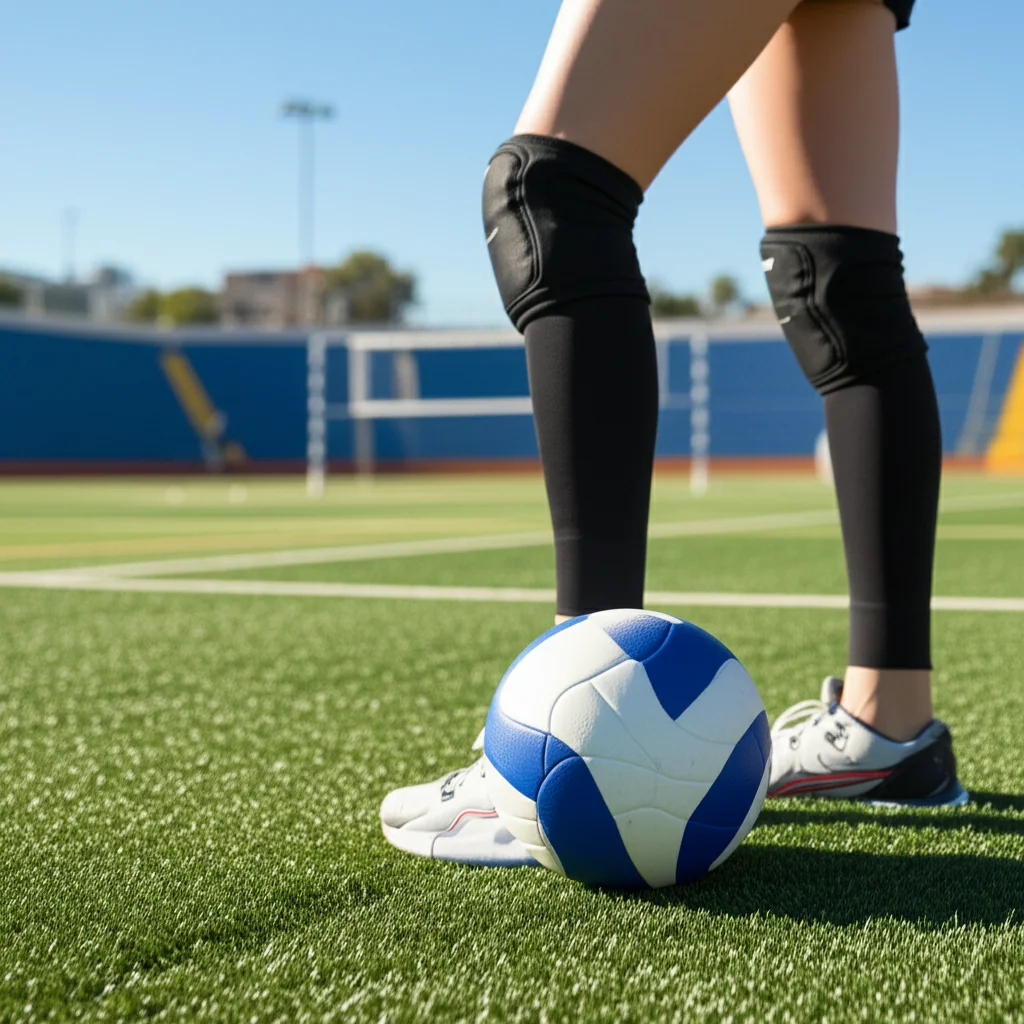
Volleyball knee pads are essential gear for players. They protect your knees during dives and impacts on the court. However, these pads absorb sweat, dirt, and bacteria with every game and practice. Over time, they can become smelly and unhygienic. This happens even faster than you might think. Knowing how to clean volleyball knee pads correctly is important. It ensures your pads stay fresh, last longer, and protect your skin from irritation.
Ignoring dirty knee pads can lead to skin issues like rashes or infections. It also causes unpleasant odors in your gym bag. Cleaning your knee pads regularly helps keep them in top condition. This guide will show you easy and effective ways to clean your volleyball knee pads. We will cover everything from hand washing to machine washing, drying, and tackling stubborn odors. You will learn how to maintain your gear so you can focus on your game.
Takeaway
- Hand wash knee pads for best results and longevity.
- Machine wash with caution on a gentle cycle, using a mesh bag.
- Air dry pads completely to prevent mildew and odor.
- Address odors with specialized sports detergents or natural solutions.
- Clean regularly to maintain hygiene and extend pad life.
How do you clean volleyball knee pads?
To clean volleyball knee pads, hand wash them with mild detergent and warm water for best results. Alternatively, machine wash them on a gentle cycle inside a mesh laundry bag. Always air dry knee pads completely. This prevents mildew and maintains their shape.
Why Cleaning Your Volleyball Knee Pads Is Crucial
Regular cleaning of your volleyball knee pads is not just about keeping them smelling nice. It is about hygiene, health, and maintaining your gear. These pads absorb a lot of sweat during play. This creates a perfect environment for bacteria and fungi to grow. I know from experience how quickly gear can get smelly.
Unwashed knee pads can cause skin irritation or infections. The bacteria from your pads can transfer to your skin. This leads to issues like folliculitis or fungal infections. Nobody wants that. Plus, lingering sweat and dirt break down the material of your pads. This shortens their lifespan. Over time, the padding can flatten, and the fabric can weaken. Properly washing your pads helps them retain their protective qualities. It also makes them last longer. Clean pads simply perform better and feel more comfortable. They also make you feel more confident on the court.
You also share spaces with teammates. Unpleasant odors from dirty gear can affect others. Keeping your pads clean shows good sportsmanship. It contributes to a more pleasant team environment. Think of it as part of your training routine. Just as you stretch and hydrate, you also clean your gear. This ensures peak performance and comfort every time you play. Clean pads are a sign of a prepared athlete.
Gathering Your Essential Cleaning Supplies
Before you start cleaning, gather all the necessary items. Having everything ready makes the process smoother and more efficient. You likely have most of these supplies at home already. You will need a few basic things for effective athletic equipment cleaning.
First, get a mild detergent. I prefer detergents specifically designed for athletic wear. These detergents often have enzymes that break down sweat and odor. Regular laundry detergent can also work, but avoid harsh bleaches. Bleach can damage the fabric and padding of your knee pads. Next, you will need a bucket or a sink. This is for hand washing. If you plan to machine wash, a mesh laundry bag is essential. This bag protects your pads from damage inside the washing machine. It also keeps them from snagging on other clothes.
You may also want a soft brush or an old toothbrush. This helps scrub away stubborn dirt or grime. For drying, a clean towel and a drying rack are very useful. Never use a dryer for knee pads. The heat can melt the foam or elastic. Finally, consider a sports-specific odor eliminator or white vinegar for tough smells. White vinegar is a natural disinfectant and deodorizer. It is a fantastic option for neutralizing lingering odors. Having these items ready ensures you can properly care for your gear.
Method 1: Hand Washing Volleyball Knee Pads for Best Care
Hand washing is the gentlest and most recommended method for cleaning volleyball knee pads. It helps extend their lifespan. This method also ensures thorough cleaning without damaging the padding or elastic. I always recommend hand washing for delicate sports gear. It gives you control over the cleaning process. This helps preserve the integrity of the material.
Start by filling a sink or a bucket with lukewarm water. Do not use hot water. Hot water can degrade the materials. Add a small amount of mild detergent. About a teaspoon or two is usually enough for a pair of pads. Swish the water to mix the detergent. Next, submerge your knee pads completely in the soapy water. Let them soak for about 15-30 minutes. This helps loosen dirt and break down sweat. For items like shoulder pads, a similar soaking method works well.
After soaking, gently rub the pads together. Pay special attention to any visibly dirty areas or stains. Use a soft brush for stubborn spots. Avoid harsh scrubbing that could damage the fabric. Squeeze the pads gently to work the soapy water through the foam. Do this several times. Finally, rinse the pads thoroughly under cool, running water. Keep rinsing until all soap residue is gone. Squeeze out excess water gently. Do not wring or twist the pads forcefully. This can distort their shape. This careful approach helps your knee pads stay in great condition.
Method 2: Machine Washing Your Volleyball Knee Pads (With Caution)
Machine washing can be a convenient option if you are short on time. However, it requires more caution. Using a washing machine can be harder on the materials. This is especially true for the foam and elastic. I usually save machine washing for when my pads need a deep clean. Always prioritize gentleness when using a machine.
Before putting your knee pads in the washing machine, place them inside a mesh laundry bag. This step is crucial. The mesh bag protects the pads from snagging on other clothes or the machine’s agitator. It also prevents the padding from getting misshapen. If you are washing other items, wash them with similar colors and fabrics. Avoid washing your pads with heavy items like jeans or towels. These can be too abrasive. This is similar to how you would protect delicate items like reusable makeup pads in the wash.
Select a gentle cycle on your washing machine. Use cold water. Cold water is important because hot water can damage the foam and elastic components of the knee pads. Add a small amount of mild detergent. Avoid using fabric softeners. Fabric softeners can leave a residue on athletic gear. This residue can trap odors over time. Once the cycle finishes, promptly remove the pads from the machine. Do not leave them sitting in the washer. Leaving them can cause mildew. Take extra care to protect the integrity of the knee pads.
Drying Your Volleyball Knee Pads Properly
Proper drying is one of the most critical steps in cleaning volleyball knee pads. Incorrect drying can lead to mildew, unpleasant odors, and damage to the pads’ structure. You must never put your volleyball knee pads in a clothes dryer. The high heat from a dryer can melt the foam padding. It can also shrink or damage the elastic components. I always emphasize air drying for all athletic gear.
After washing, gently squeeze out as much excess water as you can from the knee pads. Be careful not to twist or wring them aggressively. This can distort their shape. Next, lay the pads flat on a clean, dry towel. You can also hang them on a drying rack. Ensure there is good airflow around them. Placing them near a fan can speed up the drying process. Do not hang them in direct sunlight for extended periods. While sunlight can help sanitize, too much can degrade the materials over time.
It is vital that your knee pads dry completely before you store them or wear them again. Moisture trapped inside the foam is a breeding ground for bacteria and mold. This is the primary cause of persistent smells. Drying can take anywhere from 24 to 48 hours, depending on humidity levels. Check them thoroughly before putting them away. Make sure every part of the foam and fabric is dry to the touch. This step ensures your pads stay fresh. It also keeps them ready for your next game.
Tackling Stubborn Odors and Stains
Sometimes, even after a good wash, your volleyball knee pads might still smell or have lingering stains. This happens especially with heavily used pads. Do not worry; there are effective ways to tackle these issues. Dealing with odors is common for athletic gear. I have used a few tricks that work well.
For persistent odors, white vinegar is a fantastic natural solution. Mix equal parts white vinegar and water in a spray bottle. Spray the mixture directly onto the knee pads, focusing on the padded areas. Let it sit for about 15-30 minutes. The vinegar neutralizes odors without masking them. Then, rinse the pads thoroughly with cool water and air dry them as usual. You can also add half a cup of white vinegar to the wash cycle if machine washing. This helps to eliminate tough smells and works similarly for general cleaning of foam-based items, like foam buffing pads.
For stubborn stains, a pre-treatment can make a big difference. Apply a small amount of laundry stain remover directly to the stain. Let it sit for the recommended time on the product label. Then proceed with hand washing or machine washing. You can also make a paste with baking soda and water. Apply this paste to the stain. Let it dry completely. Then brush it off before washing. This method often lifts dirt and absorbs odors. Baking soda is a natural abrasive and deodorizer. Remember to always test any new cleaning solution on an inconspicuous area first. This prevents potential discoloration or damage.
Preventative Care: Keeping Knee Pads Cleaner Longer
Preventing dirt buildup and odor before it starts is key to maintaining your volleyball knee pads. A little preventative care goes a long way. It reduces the need for frequent deep cleaning. I always try to implement these habits right after a game or practice. This ensures my pads stay fresh.
First, always air out your knee pads immediately after use. Do not leave them balled up in your gym bag. The moist, dark environment in a bag is perfect for bacteria to thrive. Hang them up or lay them flat in a well-ventilated area. This allows sweat to evaporate quickly. If you can, turn them inside out to expose the sweaty areas to the air. This helps dry the inner padding more effectively. Consider adding a small deodorizer packet or cedar balls to your gym bag. This absorbs moisture and odors.
You can also lightly spray your pads with an odor-eliminating spray after each use. Look for sprays designed for athletic gear. These sprays often contain antimicrobial agents. These agents help to prevent bacterial growth. While they do not replace washing, they can significantly reduce odor between washes. Another tip is to have a spare pair of knee pads. Rotating between two pairs allows each pair to fully dry and air out. This reduces wear and tear on a single pair. By following these simple steps, you can keep your knee pads cleaner. This extends their life and keeps them smelling fresh.
FAQ Section
How often should I clean my volleyball knee pads?
You should clean your volleyball knee pads after every 2-3 uses, or immediately if they become excessively sweaty or dirty. Regular cleaning prevents odor buildup and bacterial growth. For intense training schedules, cleaning after every use is ideal. This routine maintains hygiene and extends the life of your gear.
Can I put my volleyball knee pads in the dryer?
No, you should never put your volleyball knee pads in the dryer. The high heat can damage the foam padding. It can also shrink or melt the elastic and fabric components. Always air dry your knee pads completely. This preserves their shape and protective qualities.
What kind of detergent should I use for cleaning knee pads?
Use a mild detergent for cleaning volleyball knee pads. Detergents formulated for athletic wear are best. They effectively neutralize odors and break down sweat. Avoid harsh chemicals, bleach, or fabric softeners. These can damage the materials and leave residue.
How do I remove stubborn sweat smells from knee pads?
To remove stubborn sweat smells, soak your knee pads in a solution of equal parts white vinegar and water for 30 minutes before washing. White vinegar is a natural deodorizer. You can also add half a cup of white vinegar to your wash cycle. Ensure pads are completely air dried afterward.
Can I use disinfectant sprays on my knee pads?
Yes, you can use disinfectant sprays or odor-eliminating sprays specifically designed for athletic gear. These sprays can help prevent bacterial growth and reduce odors between washes. Spray them lightly after each use. Always ensure the pads are dry before storing them.
What is the best way to store volleyball knee pads?
Store clean and completely dry volleyball knee pads in a well-ventilated area. Avoid stuffing them into a closed gym bag. Good air circulation prevents moisture buildup. This helps prevent mildew and unpleasant odors. A mesh bag or a simple hook works well for storage.
Conclusion
Keeping your volleyball knee pads clean is more than a chore; it is an essential part of player hygiene and gear maintenance. You now have the knowledge to effectively clean volleyball knee pads. Whether you choose the gentle hand-washing method or the cautious machine-washing approach, remember to prioritize the integrity of your pads. Always focus on thorough drying to prevent mildew and extend their lifespan.
Implementing regular cleaning routines will keep your pads fresh and odor-free. It protects your skin and ensures your gear performs its best. By addressing stubborn odors and practicing preventative care, you are investing in your comfort and health on the court. Make cleaning your knee pads a consistent part of your post-game routine. Your knees, teammates, and nose will thank you. Step onto the court with confidence, knowing your gear is clean, fresh, and ready for action.
- volleyball knee pads
- athletic equipment cleaning
- knee pad odor removal
- sports gear maintenance
- washing knee pads

Todd Martin
Senior Writer
With over 15 years of experience in home renovation and design, I started HEG to share what I’ve learned with homeowners who want to create spaces that are both beautiful and functional. I’ve always believed in a hands-on approach, and over the years, I’ve picked up practical solutions that actually work. Through HEG, I aim to make home improvement more approachable, sharing real tips that help you create a home you truly love.