· Katria Melrose · Home Essentials & Pet Care · 22 min read
What Is Pet Carpet
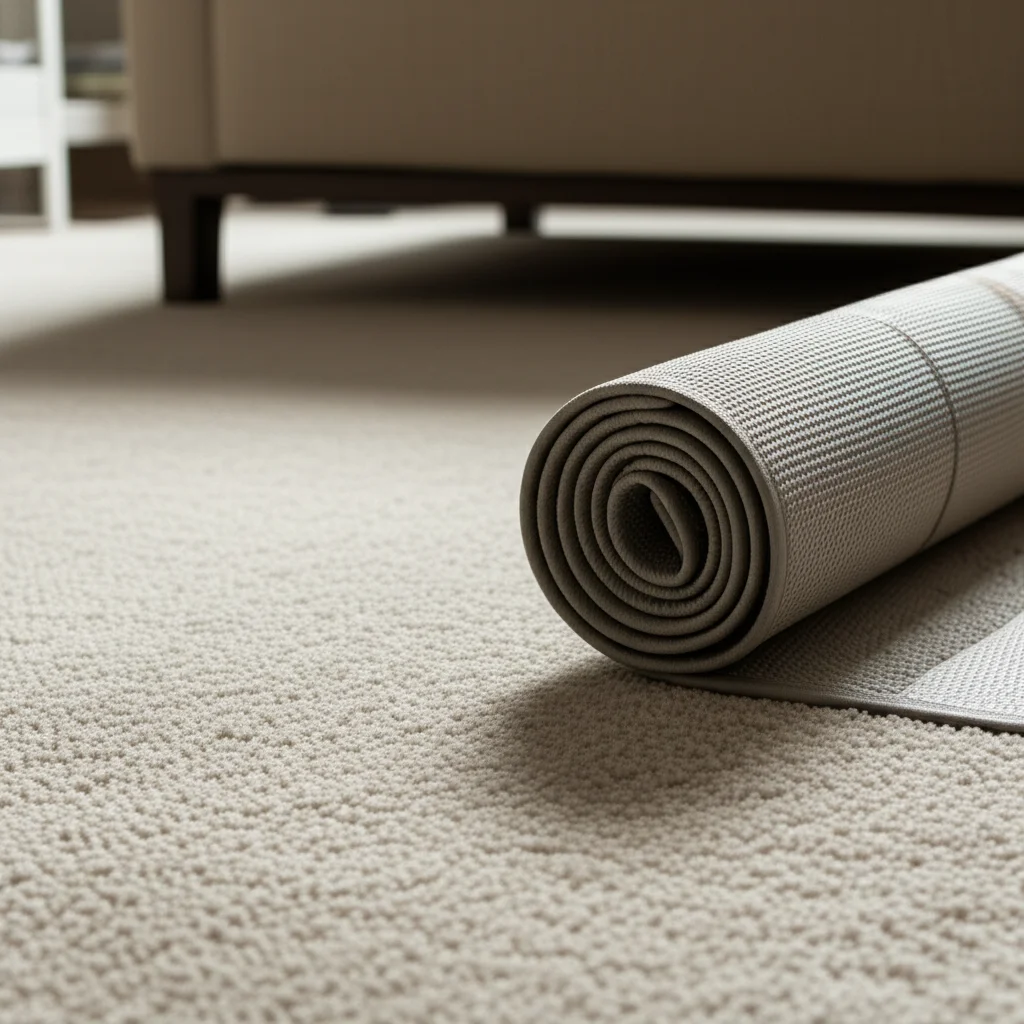
What Is Pet Carpet: Your Guide to Pet-Friendly Flooring
Having pets brings so much joy into our lives. They are family members. However, pets can also bring unique challenges to our homes, especially when it comes to flooring. Traditional carpets often struggle with pet hair, accidents, and lingering odors. This is where the concept of “pet carpet” becomes a game-changer for many homeowners. Understanding what is pet carpet means knowing about a specialized type of flooring. It addresses the common issues pet owners face. This article will explore the specific features of pet carpet. We will also discuss its benefits. We will share how to choose the right one for your home and how to care for it. Get ready to learn how pet carpet can make your home more comfortable for both you and your furry friends.
Takeaway
- Pet carpet is specialized flooring designed to resist stains, odors, and wear from pets.
- It often features waterproof backings, durable fibers, and integrated odor protection.
- Choosing the right pet carpet means looking at fiber type, pile density, and stain warranties.
- Proper care, including regular vacuuming and quick spill cleanup, extends its life.
- Pet carpet creates a cleaner, healthier, and more comfortable home for pets and humans.
Pet carpet is a specific type of flooring designed with features to resist pet-related issues. It handles stains, odors, and wear better than standard carpets. This carpet often has special fibers, waterproof backings, and antimicrobial treatments. It keeps your home cleaner and fresher for both you and your animal companions.
Understanding Pet Carpet: More Than Just Regular Carpet
When we talk about what is pet carpet, we are discussing more than just a typical floor covering. Pet carpet represents a significant upgrade in durability and functionality. It is engineered to withstand the rigors of pet ownership. This means it can handle everything from muddy paws to accidental spills. Regular carpets often absorb liquids. They trap odors and show wear quickly, especially with active pets. Pet carpets, however, use advanced technology. This technology protects against these common problems. They help maintain a cleaner, more hygienic home environment.
The fundamental difference lies in the materials and construction. Many pet carpets feature synthetic fibers like nylon or olefin. These materials are naturally resistant to moisture absorption. They also stand up well to abrasion. Manufacturers often treat these fibers with special coatings. These coatings create a barrier against spills. This prevents liquids from penetrating deep into the carpet fibers. Instead, spills bead up on the surface. This makes cleanup much easier. This design philosophy focuses on prevention. It stops pet messes from becoming permanent stains or smells.
Beyond the fibers, the backing of a pet carpet is also crucial. Many pet-friendly options include a waterproof or moisture-resistant backing. This layer prevents liquids that soak through the carpet pile from reaching the subfloor. Protecting the subfloor is vital. Pet urine, for example, can cause severe damage and odors if it seeps into the padding and subfloor. A good backing acts as a protective shield. It keeps your underlying floor structure safe and sound. My own experience shows me this makes a huge difference. Preventing subfloor damage saves a lot of hassle and expense. For more on preventing damage, you might find our guide on how to clean subfloor from pet urine helpful.
Another key feature in defining what is pet carpet is odor control. Pet carpets often come with built-in odor-reducing treatments. These treatments work at a molecular level. They neutralize odors instead of just masking them. This is important for maintaining a fresh-smelling home. Pet odors can linger in standard carpets even after cleaning. Pet carpets tackle this problem head-on. They provide a continuous defense against unpleasant smells. This technology keeps your home smelling pleasant, even with multiple pets.
In summary, pet carpet is a specialized flooring solution. It focuses on resilience, easy cleaning, and odor management. It provides a practical and aesthetically pleasing option for any home with pets. Choosing pet carpet is an investment. It pays off in peace of mind and a more hygienic living space.
Key Features That Define Pet-Friendly Carpet
Understanding what is pet carpet involves looking at its specific design features. These features set it apart from traditional carpets. They make it ideal for homes with furry residents. Manufacturers engineer these carpets with pet-specific problems in mind. This includes everything from sharp claws to unexpected accidents. I find these features make a daily difference.
Stain Resistance and Protection
One of the most important features of pet carpet is its superior stain resistance. Pet accidents, like urine or vomit, can quickly ruin a standard carpet. Pet carpets use advanced fiber technology. This often involves solution-dyed fibers or special treatments. These treatments create an invisible barrier on each fiber. Liquids cannot penetrate the fiber. Instead, they sit on the surface. This gives you more time to clean up spills before they set. My research shows that many pet carpets offer lifetime stain warranties against pet messes. This gives homeowners great peace of mind. Learning how to clean pet urine from carpet becomes much easier with this type of carpet.
Odor Control Technology
Lingering pet odors are a major concern for pet owners. Pet carpet often incorporates built-in odor-reducing agents. These agents work to neutralize odors rather than just covering them up. Some carpets have active charcoal layers. Others use specific chemical treatments that break down odor molecules. This keeps your home smelling fresh, even with multiple pets. This technology is a significant step up from traditional carpets. Those often absorb and hold onto unpleasant smells. For advice on deeper odor issues, check out our article on how to remove pet pee smell from carpet.
Durable and Resilient Fibers
Pets, especially dogs, can be tough on carpets. Their claws can snag loops. Their constant movement causes wear and tear. Pet carpets are made from durable synthetic fibers. Nylon and triexta are common choices. These fibers are known for their strength and resilience. They resist crushing and matting. They also stand up to heavy foot traffic. A dense pile construction helps here. It means the carpet fibers are packed tightly together. This reduces the chances of snags and extends the carpet’s lifespan. I always recommend checking the carpet’s face weight and density rating. Higher numbers generally mean better durability.
Waterproof Backing and Moisture Barrier
A critical element of a true pet carpet is its waterproof or moisture-resistant backing. This backing acts as a protective barrier. It prevents liquids from soaking through to the carpet padding and subfloor below. This is incredibly important for hygiene and preventing structural damage. If pet urine reaches the subfloor, it can cause persistent odors and mold growth. A sealed backing keeps the mess contained on the surface of the carpet. This makes cleanup more effective. It also protects your home’s foundation. This feature provides a crucial line of defense for your floors.
Easy Maintenance and Cleaning
Because of these features, pet carpets are much easier to clean and maintain. Their stain-resistant properties mean most spills can be blotted away with ease. The durable fibers resist shedding and matting. This makes vacuuming more effective. Many pet carpets are also designed to release pet hair more easily. This simplifies routine cleaning. Quick cleanup is key to preventing stains and odors from setting. Regular maintenance will keep your pet carpet looking new for years. You might find our general tips on how to keep carpet clean helpful too.
The Benefits of Choosing Pet Carpet for Your Home
Choosing pet carpet offers a range of significant advantages for pet owners. It goes beyond simple aesthetics. It impacts the daily life of both you and your beloved animals. These benefits address common pain points. They make living with pets much more enjoyable. I have seen firsthand how these carpets reduce stress for homeowners.
First, the most obvious benefit is enhanced cleanliness and hygiene. Pet carpet’s stain-resistant properties are a lifesaver. Accidents happen, but with pet carpet, they don’t have to become permanent problems. Liquids bead on the surface, making them easy to blot up. This prevents spills from seeping deep into the carpet fibers. This means fewer permanent stains and a much cleaner living environment. This feature greatly simplifies the chore of cleaning up after pets. You can quickly tackle spills, keeping your home spotless. If you want to know more about handling pet-related stains, explore our guide on how to clean carpet stains pets.
Second, pet carpets offer superior odor control. Traditional carpets can trap pet odors. This leads to a stale or unpleasant smell in your home. Pet carpets often come with integrated odor-neutralizing technologies. These technologies break down odor-causing molecules. This keeps your home smelling fresh and inviting. This is a huge benefit for anyone sensitive to smells. It also makes your home more welcoming to guests. I appreciate not having to constantly worry about lingering pet smells.
Third, durability is a major advantage. Pets, especially active ones, can be hard on flooring. Their claws can snag and tear loops. Their constant movement can cause wear paths. Pet carpet is constructed with robust fibers and dense piles. This makes it highly resistant to everyday wear and tear. It holds up better against scratching and heavy foot traffic. This durability means your carpet will look good for longer. It reduces the need for frequent replacement. This also saves you money in the long run.
Fourth, pet carpet can contribute to a healthier home environment. By resisting moisture and inhibiting odor-causing bacteria, pet carpet helps reduce allergens and irritants. Some pet carpets even have antimicrobial treatments. These treatments prevent the growth of mold and mildew. This is especially important for individuals with allergies or respiratory sensitivities. A cleaner carpet means less pet dander and fewer potential triggers for allergic reactions. This helps with concerns about does carpet cleaning remove pet dander.
Finally, choosing pet carpet provides peace of mind. Knowing your flooring can handle whatever your pets throw at it reduces stress. You can relax and enjoy time with your furry companions. You won’t constantly worry about potential damage or stains. This translates to a more comfortable and happy home for everyone. The investment in pet carpet enhances both functionality and quality of life.
Types of Pet Carpet Fibers: What Makes Them Pet-Friendly?
Understanding what is pet carpet also involves knowing about the specific fiber types used. The fiber material is perhaps the most critical factor. It dictates the carpet’s performance against stains, wear, and odors. Each fiber has unique properties. These properties contribute to the overall pet-friendliness of the carpet.
Nylon: The Durable Workhorse
Nylon is a popular choice for pet carpet due to its exceptional durability and resilience. It is known for its ability to bounce back from crushing and matting. This makes it ideal for high-traffic areas and homes with active pets. Nylon fibers are strong. They resist abrasion from pet claws and heavy furniture. Many nylon carpets receive stain-resistant treatments during manufacturing. These treatments repel spills effectively. However, untreated nylon can absorb stains. So, look for treated or solution-dyed options. Solution-dyed nylon means the color goes all the way through the fiber. This makes it highly resistant to fading and bleach spills. It also holds up very well to rigorous cleaning.
Polyester/PET: Great for Stain Resistance
Polyester, and its recycled form PET (polyethylene terephthalate), offers excellent stain resistance. It is naturally resistant to water-based stains. This makes it a great option for pet owners concerned about spills. Polyester carpets often feel soft underfoot. They can mimic the luxurious feel of wool. While generally less resilient than nylon, advancements in polyester technology have improved its durability. Modern polyester fibers resist matting better than older versions. Its main strength remains its superior stain resistance. This makes it easy to clean up most pet messes. I often recommend polyester for its stain-fighting abilities.
Triexta: Inherently Stain-Proof
Triexta, often marketed under brand names like SmartStrand, is gaining popularity for pet-friendly applications. Its unique molecular structure makes it inherently stain-resistant. This is not a treatment applied to the fiber. The stain resistance is built into the fiber itself. This means it will not wash off or wear away over time. Triexta is also incredibly durable and soft. It combines the best qualities of nylon and polyester. It resists crushing and matting very well. Pet owners particularly appreciate its ease of cleaning. Even tough pet stains often come out with just water. For me, this fiber type truly redefines what is pet carpet by setting a new standard for performance.
Olefin (Polypropylene): Economical and Moisture-Resistant
Olefin, also known as polypropylene, is an economical choice. It is naturally resistant to moisture, mold, and mildew. This makes it a good option for basements or areas prone to dampness. Olefin is solution-dyed. This means it has excellent colorfastness. It resists fading, even from bleach. Its strength lies in its moisture resistance. However, olefin is generally less resilient than nylon or triexta. It can mat down in high-traffic areas over time. It also tends to attract oil-based stains. While not as high-performing as nylon or triexta for overall pet wear, it offers a budget-friendly option with good moisture and stain resistance for water-based spills.
When choosing pet carpet, consider the combination of fiber type, pile construction, and any additional treatments. These elements together determine how well the carpet will perform in a pet-filled home. Each fiber type offers specific benefits. Matching the fiber to your lifestyle and pets’ habits will ensure satisfaction.
Choosing the Right Pet Carpet: What to Look For
Selecting the ideal pet carpet involves more than just picking a color. You need to consider several key factors. These factors ensure the carpet performs well. They guarantee it meets the specific needs of your home and pets. Understanding these elements will help you make an informed decision about what is pet carpet that works best for you.
Pile Type and Density
The pile type and density greatly affect a carpet’s durability and cleanability.
- Loop Pile (Berber): This type has continuous loops. It is durable and resists crushing. However, pet claws can snag loops. This can cause pulls or runs in the carpet. It is generally not recommended for homes with cats or dogs that scratch.
- Cut Pile: Here, the loops are cut. This creates an upright pile. It is softer and generally less prone to snagging by pet claws. Within cut pile, look for:
- Frieze: Tightly twisted fibers that curl. This style hides dirt and footprints well. It is very durable and a good choice for pets.
- Textured: Varied twist levels create a less uniform surface. This also helps hide imperfections.
- Saxony: A plush, dense pile that shows footprints and vacuum marks more easily. Less ideal for active pets.
- High Density: A denser carpet means more fibers per square inch. This translates to better durability and resistance to matting. It stands up better to heavy traffic and pet activity. Always check the carpet’s face weight and density ratings. Higher numbers are usually better for pets.
Backing and Underpad
The carpet backing is crucial for pet carpet. Look for a waterproof or moisture-resistant backing. This prevents pet urine and other liquids from soaking into the padding and subfloor. This feature is non-negotiable for pet owners. It protects your home from costly damage and lingering odors. The underpad, or carpet pad, also plays a role. Choose a dense, low-absorbency pad. Some specialized pet pads offer odor barriers or moisture barriers themselves. A good pad also provides comfort and extends the life of your carpet. I always advise inspecting the backing. Make sure it forms a solid barrier.
Stain and Odor Warranties
Many pet carpets come with specific warranties against pet stains and odors. Read these warranties carefully. Understand what they cover and for how long. Some warranties cover all pet stains, while others might exclude certain types. Look for lifetime warranties against pet stains. These show the manufacturer’s confidence in their product. An odor warranty is also a great bonus. These warranties provide peace of mind. They assure you that your investment is protected.
Color and Pattern Selection
The right color and pattern can help hide pet hair and minor spills.
- Mid-tone colors: These are often best. They are light enough to brighten a room. They are dark enough to disguise pet hair and everyday dirt.
- Multi-colored or heathered patterns: These blend different shades. They are excellent at camouflaging stains and pet hair.
- Patterns: Subtle patterns can also hide small imperfections.
- Avoid very light or very dark solid colors: These tend to show dirt, hair, and stains more prominently. My personal choice is always a patterned, mid-tone carpet. It blends well with various decors.
Comfort and Safety for Pets
Consider how the carpet feels to your pets. A soft, comfortable surface is great for lounging. Ensure the carpet provides good traction. This helps prevent slips and falls, especially for older or very active pets. Some carpets are engineered for low VOCs (Volatile Organic Compounds). This improves indoor air quality. This creates a healthier environment for both humans and pets.
By considering these factors, you can choose a pet carpet that not only looks great but also stands up to the challenges of pet ownership. This ensures a comfortable and clean home for everyone.
Installation and Maintenance Tips for Pet Carpet
Once you have chosen the perfect pet carpet, proper installation and ongoing maintenance are key. They ensure its longevity and performance. Even the best pet carpet needs care. These steps will maximize its benefits. They will keep your home looking its best. I have learned that good habits truly make a difference.
Professional Installation is Recommended
While some might consider DIY, professional installation is always recommended for pet carpet. Installers have the right tools and expertise. They ensure the carpet is stretched properly. This prevents ripples and buckling. They also correctly seam the carpet. A tight, secure installation helps the carpet withstand heavy traffic and pet activity. An improperly installed carpet can wear out faster. It can also create tripping hazards. Professionals also understand the specific requirements of different carpet backings and padding types. They ensure your pet carpet’s moisture barrier works effectively. This protects your subfloor.
Regular Vacuuming is Essential
Regular vacuuming is the most important part of pet carpet maintenance. Pet carpet is designed to release hair and dirt more easily. However, frequent vacuuming prevents these elements from building up. Aim to vacuum high-traffic areas daily. Vacuum less trafficked areas at least twice a week. Use a vacuum cleaner with strong suction. It should have a good brush roll. This combination lifts pet hair and dirt from the fibers. My routine includes a thorough vacuuming every other day. This keeps the carpet looking fresh. You might also want to explore articles on cleaning specific vacuum models like how to clean Hoover PowerDash Pet or how to clean Bissell Revolution Pet Pro for optimal results.
Immediate Stain Cleanup
Pet carpet’s stain resistance buys you time, but prompt cleanup is still crucial. Blot liquid spills immediately with a clean, white cloth. Do not rub. Rubbing can spread the stain. It can also push it deeper into the fibers. For solid messes, scoop them up gently. Then, blot any residue. Use a pet-friendly carpet cleaner designed for enzymatic action. These cleaners break down organic matter. They neutralize odors. Always follow the manufacturer’s instructions for the carpet cleaner. Test any cleaner in an inconspicuous area first. This ensures it does not damage or discolor the carpet. For specific advice on different types of stains, you may find our guide on how to clean old stains from carpet helpful. Also, learning how to spot clean carpet effectively is key for immediate issues.
Deep Cleaning and Professional Cleaning
Even with regular vacuuming and spot cleaning, pet carpets benefit from occasional deep cleaning. Consider using a carpet extractor or hiring professional carpet cleaners every 12-18 months. Deep cleaning removes embedded dirt and allergens. It refreshes the carpet’s appearance. Professionals have powerful equipment and specialized solutions. They can extract deep-seated grime and odors. This extends the life of your carpet. Some pet carpet warranties require professional cleaning at specific intervals. Always check your warranty details. Professional cleaning helps maintain your carpet’s performance. It also helps with the effectiveness of its odor-reducing features.
Protect from Sunlight and Heavy Furniture
Direct sunlight can cause fading over time. Use blinds or curtains to protect your pet carpet from prolonged sun exposure. For heavy furniture, use furniture coasters. These distribute the weight. They prevent permanent indentations. If dents do occur, you can often fix them. Try placing ice cubes on the dent and then blotting the moisture. Gently brush the fibers back into place. These small steps help preserve your carpet’s look and feel for years. Knowing what can i put over carpet to protect it can help prevent damage.
By following these installation and maintenance guidelines, you can ensure your pet carpet remains a durable, beautiful, and functional addition to your pet-friendly home.
Comparing Pet Carpet to Regular Carpet: Why the Difference Matters
Many people ask, “Why bother with pet carpet? Isn’t all carpet the same?” Understanding what is pet carpet truly means recognizing its fundamental differences from regular carpet. These differences directly impact the comfort, cleanliness, and longevity of your home when pets are involved. I’ve seen countless homes struggle with traditional carpets. They just aren’t designed for the unique challenges pets present.
The most significant distinction lies in stain resistance. Regular carpet fibers are often more absorbent. They act like sponges. When a pet accident occurs, liquids quickly soak into the fibers and padding. This leads to deep-set stains and lingering odors. It becomes very difficult to clean thoroughly. Pet carpet, on the other hand, typically features hydrophobic fibers. These repel liquids. Spills bead up on the surface. This gives you precious time to blot them away before they penetrate. This makes cleanup far more effective and less stressful. Think of it as a built-in protective shield. This is especially true for those concerned about how to clean dog urine from carpet or how to clean cat urine out of carpet.
Next, consider odor control. Standard carpets have no special defense against pet odors. Urine, dander, and general pet smells can become trapped in the fibers. They can create an unpleasant atmosphere over time. This requires constant air fresheners or deep cleaning. Pet carpet, however, often incorporates advanced odor-neutralizing technologies. These are built directly into the carpet or its backing. They work to break down odor-causing bacteria. This results in a consistently fresher home environment. This proactive approach to odor management is a game-changer for pet owners.
Durability and wear also set pet carpet apart. Traditional carpets, especially those with looser weaves or lower pile densities, can quickly show wear from pet claws and heavy traffic. They might snag easily. They can mat down over time. Pet carpet utilizes tougher, more resilient fibers like nylon or triexta. It often has a denser construction. This combination helps it withstand scratching, rough play, and constant foot traffic much better. It resists crushing and matting. This means your carpet will maintain its appearance and structural integrity for a longer period.
Perhaps the most crucial difference for long-term home health is the moisture barrier backing. Regular carpets usually have a permeable backing. Any liquid that soaks through the carpet pile will reach the padding and potentially the subfloor. This can lead to mold, mildew, and permanent odors. This can also cause structural damage. Pet carpets often come with a waterproof or moisture-resistant backing. This forms an impermeable barrier. It keeps pet accidents contained on the surface. This protects your subfloor. This feature saves homeowners from significant remediation costs and headaches down the line. It’s a key factor in protecting your overall home structure.
In essence, while both are floor coverings, pet carpet is a specialized solution. It is designed to mitigate the common problems pets create. It offers superior stain and odor resistance, enhanced durability, and crucial moisture protection. This makes it a smart investment for a cleaner, healthier, and more enjoyable home for both you and your furry companions. The initial cost might be slightly higher, but the long-term benefits and reduced hassle are priceless.
Environmental and Health Considerations of Pet Carpet
Beyond its practical benefits for pet owners, understanding what is pet carpet also involves looking at its environmental and health impact. Modern pet carpet manufacturing often incorporates practices and materials that are more sustainable and safer for indoor air quality. This is an important consideration for many homeowners today. I find that choosing products with these benefits offers extra peace of mind.
One major aspect is material sourcing and recycling. Many pet carpets, particularly those made from PET (polyester), use recycled content. Plastic bottles are a common source for these fibers. This reduces waste and conserves resources. Some manufacturers also have take-back programs. These programs allow old carpets to be recycled into new products. This minimizes landfill waste. Opting for carpets with significant recycled content or those that are recyclable contributes to a circular economy. It supports environmental conservation efforts.
Next, consider Volatile Organic Compounds (VOCs). These are chemicals released into the air from various products, including some carpets. High VOC levels can impact indoor air quality. They can contribute to respiratory issues or allergies. Many pet carpets are designed with low-VOC emissions. They adhere to strict indoor air quality standards. Look for certifications like Green Label Plus from the Carpet and Rug Institute. This certification ensures the carpet meets stringent low-VOC requirements. Choosing low-VOC carpets creates a healthier breathing environment. This benefits both humans and pets, who spend a lot of time close to the floor.
Antimicrobial and odor-reducing treatments can also play a role. While these treatments are great for controlling odors and preventing mildew, it is worth understanding their composition. Reputable manufacturers use safe, tested additives. These additives do not pose health risks. These treatments help prevent the growth of odor-causing bacteria and fungi. This creates a more hygienic surface. This reduces the presence of allergens that might otherwise thrive in a damp, untreated carpet. This is especially helpful for households where someone has allergies.
The longevity of pet carpet also has an environmental benefit. Because pet carpets are designed to be more durable, they last longer. This reduces the frequency of carpet replacement. Less frequent replacement means less manufacturing and less waste going to landfills. Investing in a high-quality, long-lasting pet carpet is a more sustainable choice in the long run. It reduces your environmental footprint.
- pet-friendly carpet
- stain-resistant carpet
- durable carpet
- easy-clean flooring
- pet home solutions

Katria Melrose
Cleaning Specialist
With over 12 years of experience in commercial cleaning and a certification in workplace ergonomics, I’ve developed a deep understanding of what makes a workspace truly productive. At HEG, I specialize in helping people transform their home offices into clean, efficient, and comfortable environments. Through smart cleaning routines and strategic organization solutions, I empower readers to create spaces that support focus, comfort, and success—one well-organized desk at a time.