
· Todd Martin · Baby Product Care · 19 min read
How To Clean Munchkin Straw Cup
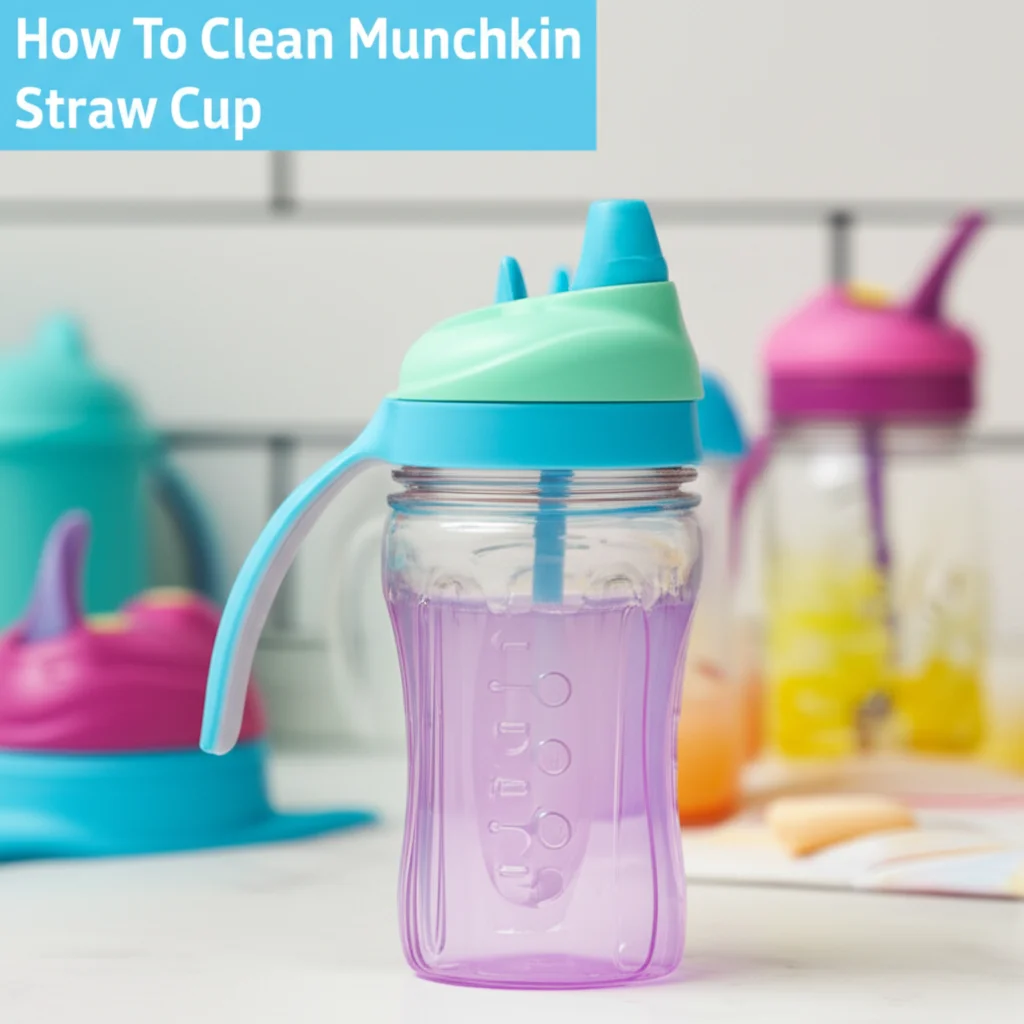
Clean Your Munchkin Straw Cup Safely
Parents often rely on straw cups for young children. These cups are easy for little hands to hold and reduce spills. Munchkin straw cups are a popular choice for many families. However, proper cleaning is essential for your child’s health.
I know how vital it is to keep children’s items hygienic. A dirty cup can harbor bacteria and mold. This article helps you understand how to clean Munchkin straw cup parts thoroughly. We will cover the best tools and methods. You will also learn how to prevent common issues like mold growth. Our guide provides simple, step-by-step instructions. You can ensure your child’s cup is always clean and safe.
Takeaway
- Disassemble all Munchkin straw cup parts every time you clean it.
- Use warm, soapy water and specialized brushes for thorough cleaning.
- Pay close attention to the straw and valve areas to prevent mold buildup.
- Air dry all components completely before reassembly to avoid moisture.
- Sanitize cups regularly, especially after illness, using safe methods.
To clean a Munchkin straw cup, disassemble all parts: cup, lid, straw, and valve. Wash each component with warm, soapy water and a straw brush, paying attention to hidden crevices where mold can form. Rinse thoroughly and allow parts to air dry completely before reassembling to prevent moisture buildup.
Why Regular Cleaning Is Essential
Keeping your child’s Munchkin straw cup clean goes beyond simple tidiness. Regular cleaning prevents health issues. Bacteria and mold thrive in moist environments. The liquid remains in straw cups. These cups often sit at room temperature for extended periods. This creates a perfect breeding ground for germs.
Mold can grow in hidden spots. It often appears in the straw or the valve. My child once used a cup that looked clean from the outside. Upon disassembling it, I found mold inside the straw. This experience showed me the importance of thorough cleaning. Such contamination can cause stomach upset or allergic reactions in children. Proper cleaning protects your child from these risks. It ensures they drink from a clean, safe vessel every time. This regular cleaning protects your family’s well-being.
Gather Your Cleaning Arsenal
Before you begin cleaning, you need the right tools. Having everything ready makes the process easier. The proper tools ensure you can reach every part of the cup. This prevents any hidden spots from retaining grime. You likely have most of these items in your kitchen.
First, you need a good quality dish soap. Choose one that is safe for baby items. Second, a sink or basin filled with warm water is necessary. Third, you will need a small brush for the cup body. Fourth, a straw cleaning brush is a must-have. These thin brushes fit inside the straw. Lastly, a small, soft brush can clean the valve. Some Munchkin cups come with their own brushes. If yours did not, separate brushes are easy to buy. These tools help you reach every crevice.
- Dish Soap: Use a gentle, baby-safe dish soap. I prefer fragrance-free options. This avoids any chemical residue on the cup.
- Warm Water: Fill a basin or your sink with warm water. This helps loosen food particles and sticky residues.
- Cup Brush: A standard bottle brush works well for the main cup body. It reaches the bottom and scrubs the sides effectively.
- Straw Brush: This is the most crucial tool. A tiny, long brush slides into the straw. It removes milk, juice, or water residue that sticks to the inside. You can learn more about how to clean inside a straw here.
- Valve Brush: A small, soft brush, often like a nipple brush, cleans the small valve component. This valve controls liquid flow. It can trap tiny bits of food.
Having these tools ready saves time. It also makes sure no part of the Munchkin straw cup gets left uncleaned. Proper tools lead to a truly clean cup.
Step-by-Step Guide to Disassembly
Cleaning a Munchkin straw cup properly begins with taking it apart. Each part needs individual attention. Do not skip this step. Simply rinsing a whole cup does not remove all hidden residues. Many parents overlook this. I learned early that disassembly is key to hygiene.
Munchkin straw cups generally have four main components: the cup, the lid, the straw, and the valve. Some cups combine the straw and valve. Others have separate pieces. Learn your specific cup’s design. This knowledge helps you take it apart correctly. Follow these steps carefully to disassemble your cup.
Removing the Straw
The straw is often easy to pull out. It usually pushes through a hole in the lid. Firmly pull the straw from the underside of the lid. Some straws have a soft, silicone base. This base secures them to the lid. Gently wiggle and pull it through. Be careful not to tear the silicone. This part gets dirty quickly, so pay attention.
Detaching the Valve
The valve is critical for spill prevention. It is also a common spot for grime. Many Munchkin cups have a small silicone valve. This valve fits into a slot on the lid. Gently pinch or push the valve from its position. It should pop out. This valve is often clear or translucent. It can hide dirt well. Separate the valve from the straw if they connect. Treat it as a separate piece for cleaning. For similar items, understanding how to clean Brita water bottle straw can offer useful insights into cleaning valve and straw systems.
Separating the Lid
The lid usually twists off the cup. Some lids simply snap on. Once the straw and valve are removed, the lid becomes a separate piece. Check the underside of the lid for any extra rubber gaskets. These gaskets create a seal. They can also trap liquid and food particles. If present, remove these gaskets too. They often just peel off. Every removable part needs cleaning.
Once you separate all parts, you are ready to wash them. This complete disassembly ensures every surface gets cleaned. It is the first critical step to a truly hygienic cup.
Deep Cleaning Each Component
After disassembly, it is time for the main cleaning. Each part of the Munchkin straw cup requires specific attention. The goal is to remove all traces of milk, juice, or water. This prevents residue buildup and mold growth. I always make sure to clean each piece thoroughly.
Use warm, soapy water for all parts. Fill a basin or your sink. Submerge all cup components. This lets the soap begin to break down any stubborn films. Let them soak for a few minutes if they are particularly dirty. This simple step makes scrubbing much easier. Then, use your specific brushes for each piece.
Cleaning the Cup Body
The main cup body is the easiest part. Use your standard cup or bottle brush. Scrub the inside surfaces vigorously. Reach the bottom and all around the sides. Ensure no film remains. Rinse the brush and continue scrubbing until the interior feels completely smooth. Pay attention to the rim where the lid attaches. Food particles can sometimes stick here.
Scrubbing the Straw
The straw is often the hardest part to clean. Residue builds up inside it. Use your straw cleaning brush. Insert the brush into one end of the straw. Push it all the way through. Then, pull it out from the other end. Repeat this process from both sides. You may see a lot of gunk come out. Rinse the straw under running water while brushing. Keep brushing until the water runs clear and no debris remains. This attention helps prevent mold inside. For similar challenges, consider learning how to clean inside a straw more broadly.
Washing the Lid and Valve
The lid has many small crevices. Use a smaller brush, like a nipple brush or a detail brush, to clean these spots. Pay attention to the areas around the straw opening. Scrub any grooves or ridges. The valve is also a common culprit for hidden grime. Gently scrub the valve, especially its tiny openings. I use my small brush to clean the valve’s nooks and crannies. This is where mold often starts. If the valve is silicone, gently squeeze it while washing. This helps remove any trapped residue. Clean plastic parts thoroughly to prevent mold off plastic.
After scrubbing, rinse each component under clear, running water. Ensure all soap bubbles are gone. Hold each piece up to the light to check for cleanliness. No film or residue should be visible. This step-by-step approach ensures your Munchkin straw cup is spotless.
Dishwasher Cleaning: What to Know
Many Munchkin straw cups claim to be dishwasher safe. While convenient, the dishwasher is not always a perfect solution. I often use my dishwasher for cleaning, but I still do some pre-work. Dishwashers clean with hot water and detergent. This can save time. However, certain parts of the cup might not get clean enough.
Always check your specific Munchkin cup’s instructions. Some parts might be top-rack safe only. High heat on the bottom rack can warp plastic. Warped parts do not seal properly. This leads to leaks. Also, the small parts, like the straw and valve, can easily get lost. They might fall through the racks. This means they do not get clean.
Pre-Rinse is Important
Even with dishwasher-safe cups, I recommend a quick pre-rinse. Rinse away any large food particles or thick liquid. This prevents them from clogging the dishwasher. It also helps the dishwasher detergent work better. I often do a quick scrub of the straw with a brush before putting it in the dishwasher. This ensures the straw is truly clean. You can find general tips for cleaning your dishwasher with how to clean dishwasher with vinegar.
Placement in the Dishwasher
Place the cup body on the top rack. Invert it so water drains out. Place the lid securely on the top rack. Ensure it faces down slightly. The straw and valve need special care. Some dishwashers have a small basket for tiny items. Use this if you have one. Otherwise, secure them in a spot where they will not move. I sometimes place them in a mesh bag designed for small items. This prevents them from flying around.
Limitations of Dishwashers
Dishwashers might not reach every tiny spot. The strong jets can clean surfaces. However, they may not scrub inside narrow straws effectively. They might also not clean tight corners of the valve. After a dishwasher cycle, I still inspect the straw and valve. If I see any residue, I hand wash those parts. Using a dishwasher saves effort for the main cup and lid. For optimal hygiene, a combination of machine and hand washing works best for me.
Preventing Mold and Odors
Mold and odors are common problems with straw cups. They are signs of moisture and bacteria. Preventing them is easier than removing them. I always make sure to follow these steps. Consistent good habits protect your child’s cup.
Mold often appears as black or dark spots. It thrives in damp, dark places. The inside of a straw or the valve is a prime spot. Odors come from old liquid or bacterial growth. A sour smell is a clear sign. Addressing these issues means understanding their root cause: trapped moisture.
Complete Drying Is Key
This is the most critical step. After washing, every single part must dry completely. Do not reassemble the cup if any part is damp. Moisture trapped inside leads to mold. I lay all parts on a clean drying rack. I ensure good airflow around them. Sometimes, I use a dedicated drying rack for baby bottles and cups. These racks often have pegs that allow air to circulate. Leave the parts to air dry for several hours, or even overnight. Patience here saves you from future cleaning headaches.
Avoid Leaving Liquids in the Cup
Do not let liquid sit in the cup for long periods. Finish the drink, then empty and rinse the cup. If your child uses the cup all day, rinse it between refills. Do not leave milk or juice in the cup overnight. These liquids spoil quickly. They create a perfect environment for bacteria and mold. Water is better, but even water can lead to mold if stagnant. If you notice persistent odors, you might need to use a deeper cleaning method. This could involve vinegar or baking soda. Learning how to clean mold with vinegar can be very helpful for many cleaning tasks.
Regular Deep Cleaning
Even with daily washing, some cups need extra attention. I do a deep clean weekly. This involves soaking the parts in a sterilizing solution or a vinegar solution. A vinegar soak helps eliminate stubborn odors and kills many types of mold. Combine equal parts white vinegar and water. Soak all disassembled parts for 30 minutes to an hour. Then, wash and dry them as usual. This routine prevents future mold problems. For general cleaning with these ingredients, see how to clean with vinegar and baking soda.
By following these prevention steps, you can keep your Munchkin straw cup fresh. This ensures it is always ready for your child to use. It prevents the need for intense mold removal later.
Sanitizing and Sterilizing Methods
Beyond daily cleaning, sanitizing adds an extra layer of protection. It kills germs that regular washing might miss. Sterilization is even more thorough. It destroys almost all microorganisms. I often sanitize my child’s cups, especially after sickness.
There are several methods for sanitizing Munchkin straw cups. Choose the method that best suits your needs and the cup’s materials. Always check the cup’s manufacturer guidelines first. Some plastics are not suitable for high heat.
Boiling Method
Boiling is a common and effective method. Disassemble all cup parts. Place them in a large pot of boiling water. Ensure all parts are fully submerged. Boil for about 5 minutes. Use tongs to carefully remove the parts. Place them on a clean drying rack. Allow them to air dry completely. Be careful with this method. Some thin plastics can warp if boiled too long or if they touch the bottom of the hot pot. This method is great for occasional deep sanitation.
Steam Sterilizers
Electric steam sterilizers are convenient. They are designed for baby bottles and cup parts. You place the disassembled cup parts inside. The machine uses steam to sanitize them. Follow the sterilizer’s instructions. This method is quick and safe for most plastics. It avoids direct contact with boiling water. Many parents find this method very easy to use regularly.
Sterilizing Tablets or Solutions
You can buy sterilizing tablets or liquid solutions. These dissolve in cold water. You soak the cup parts in the solution for a specified time. This method is excellent if you do not have access to boiling water or a steam sterilizer. It is also good for cup parts that cannot withstand high heat. Always read the product instructions carefully for dilution ratios and soaking times. Rinse the parts thoroughly after soaking. This removes any chemical residue.
UV Sterilizers
Some modern sterilizers use UV light. These units claim to kill germs without heat or water. They are usually compact and portable. Place the clean, dry cup parts inside. The UV light does its work. This is a very gentle method for plastics. It leaves no residue. However, the effectiveness depends on the unit. Ensure UV light reaches all surfaces of the cup parts for full sanitation.
Regardless of the method you choose, always clean the cup thoroughly first. Sanitizing dirty cups will not be effective. Sanitization ensures your child’s cup is truly germ-free. This peace of mind is invaluable for parents.
Common Issues and Troubleshooting
Even with diligent cleaning, you might encounter issues. Problems like persistent odors or mysterious stains can arise. Knowing how to troubleshoot these helps maintain your Munchkin straw cup’s hygiene. I have faced these challenges myself and found solutions.
Addressing these issues promptly prevents them from worsening. Ignoring them can lead to a truly unusable cup. Sometimes, the problem is not dirt, but wear and tear. Knowing the difference helps you decide between cleaning or replacement.
Persistent Odors
A lingering sour or plastic-like smell usually means bacteria. Even after washing, some odors cling to plastic.
- Vinegar Soak: As mentioned, a vinegar soak is excellent for odors. Mix equal parts white vinegar and water. Soak all disassembled parts for 30 minutes to an hour. Then, wash them with soap and water. Rinse very well.
- Baking Soda Paste: For stubborn odors, make a paste of baking soda and water. Rub it onto the affected plastic parts. Let it sit for a few hours or overnight. Then, wash and rinse. Baking soda absorbs odors effectively. This works well for how to clean mold off silicone or other similar materials.
- Sunlight: Natural sunlight can also help. Place clean, dry plastic parts in direct sunlight for a few hours. UV rays help neutralize odors and kill some bacteria.
Mold Spots
If you see black or dark spots, it is mold. This needs immediate action.
- Targeted Scrubbing: Use a strong scrub with a small brush and soapy water. Focus on the moldy area.
- Vinegar or Bleach Solution: For persistent mold, a vinegar solution (equal parts vinegar and water) is effective. Soak moldy parts. For severe cases on non-porous plastic, a very dilute bleach solution (1 teaspoon bleach per gallon of water) can be used. Rinse extremely well afterward. Always wash with soap and water after using bleach. Be cautious with bleach around baby items. Learn more about how to clean mold with bleach.
- Discarding Parts: If mold cannot be removed completely, or if it has deeply stained the plastic, discard that part. Mold can embed in plastic. It is safer to replace it.
Leaks After Cleaning
Leaks often happen if parts are not assembled correctly.
- Check Assembly: Ensure the straw and valve are firmly in place. Double-check that rubber gaskets are seated properly.
- Inspect for Damage: Look for cracks or tears in the lid, straw, or valve. Even a small tear can cause leaks. Silicone valves can tear from pulling too hard.
- Warped Plastic: High heat, especially in dishwashers, can warp plastic. If the lid no longer fits snugly, it might be warped. Replace warped parts.
Regular inspection helps catch these issues early. Addressing them quickly keeps your Munchkin straw cup in top condition.
When to Replace Your Munchkin Straw Cup
Even the most diligent cleaning cannot make a cup last forever. Munchkin straw cups, like all baby products, have a lifespan. Knowing when to replace them is crucial for your child’s safety and hygiene. I always keep an eye out for signs of wear.
Replacement becomes necessary for several reasons. Material breakdown, persistent issues, and safety concerns are primary indicators. Using an old, worn cup can be risky. It might harbor germs despite cleaning.
Signs of Wear and Tear
- Discoloration: If the plastic changes color permanently, especially yellowing or cloudiness, it indicates material breakdown. This can trap germs more easily.
- Cracks or Scratches: Any cracks, even tiny ones, create breeding grounds for bacteria and mold. Scratches on the plastic also make cleaning difficult. Bacteria can hide in these imperfections.
- Tears in Silicone: The straw and valve are often made of soft silicone. If you see tears, rips, or nicks in these parts, replace them immediately. Tears affect functionality, causing leaks. They also create hidden spots for mold.
- Loss of Functionality: If the lid no longer seals tightly, or the straw does not provide a good flow, the cup is losing its function. This can be due to warping or worn-out gaskets. A leaky cup is not only messy but also unhygienic.
Persistent Odors or Mold
If you have tried all cleaning and sanitizing methods, but odors or mold return quickly, it is time to replace the cup. This indicates that bacteria or mold have embedded too deeply into the plastic. No amount of cleaning will fully remove them. It is not worth the risk to your child’s health. My experience has taught me that sometimes, a fresh start is the best solution.
Age of the Cup
Plastic degrades over time. Even if a cup looks okay, very old plastics might leach chemicals. While Munchkin cups are generally safe, manufacturers recommend replacing baby bottles and cups periodically. This helps ensure material integrity. Consider replacing cups after consistent daily use for a year or two.
Investing in new cups when necessary is a small price. It ensures your child always drinks from a safe, clean, and fully functional vessel. Regular checks and proactive replacement contribute to your child’s well-being.
FAQs About Cleaning Munchkin Straw Cups
How often should I clean a Munchkin straw cup?
You should clean a Munchkin straw cup after every use. Disassemble all parts and wash them thoroughly with warm, soapy water. Daily cleaning prevents food and liquid residue buildup. This also stops bacteria and mold from growing. A quick rinse is not enough for proper hygiene.
Can I put Munchkin straw cups in the dishwasher?
Many Munchkin straw cups are dishwasher safe, usually on the top rack. However, hand washing with brushes is often more effective for the straw and valve. Small parts might not get clean or could get lost in the dishwasher. Always pre-rinse and ensure small parts are secure.
How do I remove mold from a Munchkin straw?
To remove mold, disassemble the straw and clean it with a straw brush and warm, soapy water. For stubborn mold, soak the straw in a solution of equal parts white vinegar and water for 30-60 minutes. Scrub again. Rinse thoroughly. If mold persists or stains the plastic, replace the straw for safety.
What causes a strange smell in my Munchkin cup?
A strange smell often comes from trapped liquid residue or bacterial growth. Milk or juice left too long is a common cause. Ensure you disassemble all parts and wash them well. A vinegar soak (equal parts white vinegar and water) can neutralize odors effectively. Air dry completely to prevent future smells.
Are Munchkin straw cups safe for sanitizing methods?
Yes, most Munchkin straw cups are safe for common sanitizing methods like boiling or steam sterilization. Always check the specific product instructions first. Ensure plastic parts do not touch the bottom of a hot pot during boiling. Steam sterilizers or cold water sterilizing tablets are also good options.
What if I lose a small part, like the valve?
Munchkin offers replacement parts for many of their cups. Check the Munchkin website or contact their customer service. You can often buy replacement straws and valves separately. Do not use the cup without all its parts. This can lead to leaks or hygiene issues.
Conclusion
Keeping your Munchkin straw cup clean is a simple but vital task. Regular and thorough cleaning ensures your child’s safety and health. We have covered the importance of daily washing and the necessity of proper disassembly. You now know the right tools for the job. You also learned the benefits of deep cleaning each component.
Remember to pay special attention to the straw and valve areas. These are common spots for hidden grime and mold. Air drying all parts completely before reassembly is crucial for preventing moisture buildup. Whether you hand wash or use a dishwasher, vigilance is key.
Consider periodic sanitization for an extra layer of protection. By following these steps on how to clean Munchkin straw cup parts, you maintain a hygienic environment for your child. Make clean cups a habit in your home. Your child deserves a safe and spotless drinking experience every time.
- Munchkin cup cleaning
- straw cup hygiene
- baby cup care
- preventing mold
- straw cleaning tips

Todd Martin
Senior Writer
With over 15 years of experience in home renovation and design, I started HEG to share what I’ve learned with homeowners who want to create spaces that are both beautiful and functional. I’ve always believed in a hands-on approach, and over the years, I’ve picked up practical solutions that actually work. Through HEG, I aim to make home improvement more approachable, sharing real tips that help you create a home you truly love.