· Todd Martin · Spa & Hot Tub Care · 20 min read
How To Clean Spa Filter
Clean Your Spa Filter for Crystal Clear Water
Do you love soaking in your spa, but worry about cloudy water? A dirty spa filter often causes this issue. Learning how to clean spa filter parts properly keeps your water sparkling and safe. This process improves water quality and extends the life of your filter and spa equipment.
In this guide, I will walk you through everything you need to know about spa filter cleaning. We will cover why cleaning is important, what supplies you need, and provide step-by-step instructions for both basic rinsing and deep chemical cleaning. We will also discuss when to perform these tasks and how to maintain your spa for clear water. Get ready to enjoy a cleaner, healthier spa experience.
Takeaway
Regularly cleaning your spa filter is crucial for clear water and efficient spa operation. Here’s what to remember:
- Rinse weekly: Use a strong garden hose to remove loose debris.
- Chemically clean monthly/quarterly: Soak filters in a specialized solution for deep grime removal.
- Replace annually: Filters wear out and lose effectiveness over time.
- Maintain water balance: Proper chemical levels support filter performance.
Your spa filter is the heart of your spa’s water purification system. To clean your spa filter, remove it from the housing, rinse it thoroughly with a strong stream of water from a garden hose, then soak it in a specialized filter cleaning solution, and finally rinse it again before reinserting. This process removes oils, dirt, and mineral deposits, ensuring clear and safe spa water.
Understanding Your Spa Filter’s Role
Your spa filter plays a vital role in maintaining clean and safe water. It acts as the spa’s kidneys, trapping impurities before they cloud your water. I know how quickly a spa can get dirty with regular use. Without a working filter, your spa water would become unpleasant and unhealthy very fast.
The filter captures hair, skin cells, lotions, oils, and other particles that enter the water. These contaminants can cause cloudy water, bad odors, and even skin irritation. A clean filter ensures efficient circulation and sanitation. It works hand-in-hand with your spa chemicals to keep the water pristine.
Why a Clean Spa Filter Matters
A dirty filter cannot trap contaminants effectively. This leads to several problems. First, the water looks cloudy and unappealing. No one wants to relax in murky water. Second, the water can become a breeding ground for bacteria and algae. This poses health risks to users.
Third, a clogged filter makes your spa pump work harder. This increases energy consumption and can damage the pump over time. Regular cleaning prevents these issues. It keeps your spa running efficiently and saves you money on repairs. A well-maintained filter extends the life of your entire spa system.
Types of Spa Filters
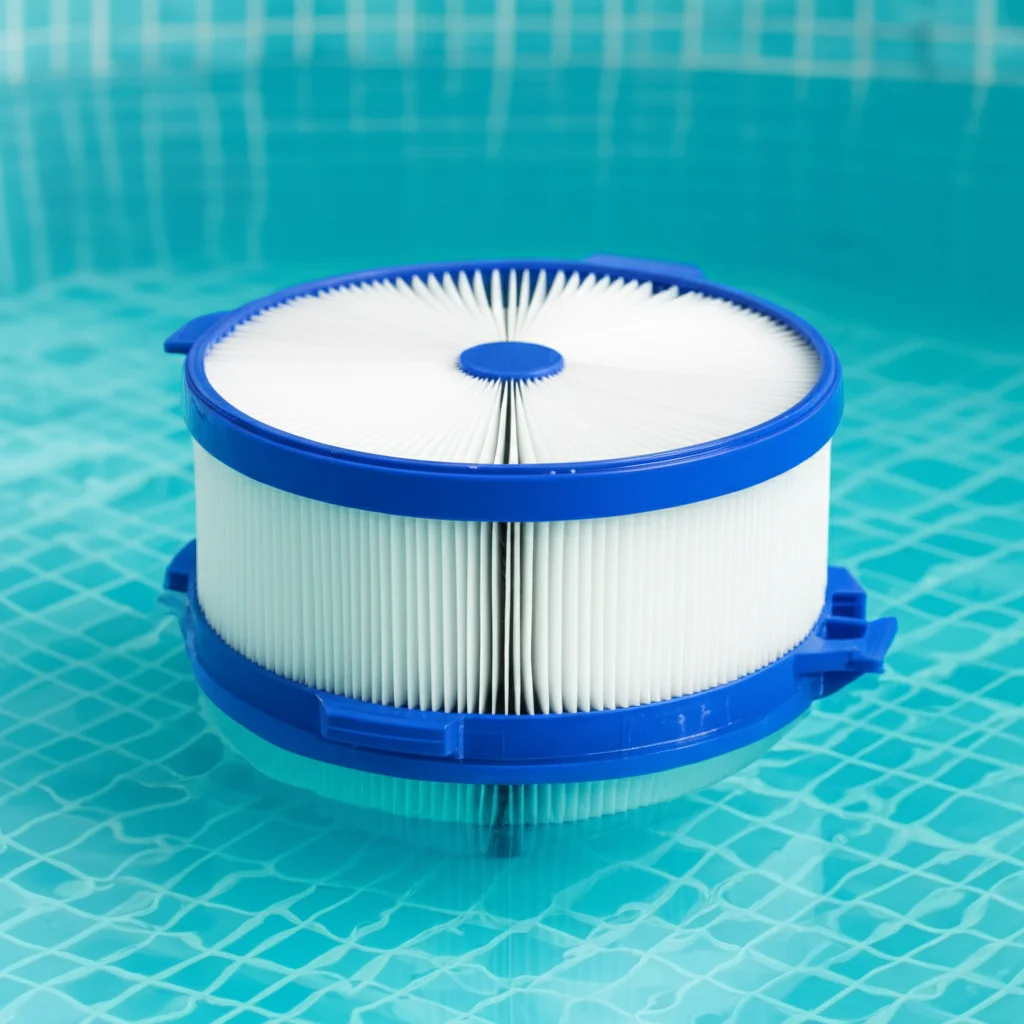
Most residential spas use cartridge filters. These filters consist of pleated fabric material. The pleats increase the surface area for filtration. Water flows through the fabric, leaving particles behind.
Other spa types might use sand filters or DE (diatomaceous earth) filters, but cartridge filters are by far the most common for portable spas and hot tubs. Cartridge filters are simple to remove and clean. This makes them popular for homeowners. Understanding your filter type is the first step in proper cleaning. If you own a hot tub, many of the same principles apply, and you can learn more about how to clean hot tub filter in our detailed guide.
Gathering Your Spa Filter Cleaning Essentials
Before you begin the cleaning process, make sure you have all the necessary tools and supplies ready. Having everything on hand makes the job easier and faster. I always gather my items beforehand to avoid interruptions. This preparation ensures a smooth and effective cleaning session.
You do not need many specialized items for basic rinsing. However, a deeper chemical clean requires specific products. Using the right tools protects your filter and ensures thorough cleaning. Do not use harsh household cleaners, as they can damage the filter material.
Essential Tools and Supplies
Here is a list of what you will need for effective spa filter cleaning:
- Garden Hose with a high-pressure nozzle: This helps dislodge debris from the pleats. A regular nozzle often does not provide enough force.
- Stiff-bristle brush (optional): Some people find this helpful for stubborn dirt, but use it gently to avoid damaging the filter.
- Specialized spa filter cleaning solution: These solutions break down oils, lotions, and mineral deposits. Do not use laundry detergent or dish soap.
- Large bucket or container: This is for soaking the filter in the cleaning solution. Make sure it is large enough to submerge the filter completely.
- Rubber gloves: Protect your hands from the cleaning solution and spa water.
- Eye protection: Safeguard your eyes from splashes, especially when using chemicals.
- Replacement filter (optional, but recommended): Having a second filter allows you to swap them out. This lets one filter dry completely while the other is in use. A dry filter is more efficient.
Choosing the Right Filter Cleaner
There are several types of spa filter cleaning solutions available. Some are acid-based, and others are enzyme or alkaline-based. Enzyme cleaners are good for breaking down oils and organic matter. Acid cleaners target mineral deposits and scale. Many products offer a combination.
Read the product label carefully to ensure it is safe for your filter material. Follow the manufacturer’s instructions for dilution and soaking times. A good filter cleaner will dissolve grime without damaging the filter’s fabric. Investing in a quality cleaner pays off in filter longevity and water clarity. Many people wonder about using common household items, but I advise against it. Using household detergents, for example, can lead to excessive foaming and residual chemicals in your spa, which is why we also have a specific guide on how to clean hot tub filter with dishwasher detergent for those who choose that path, though a dedicated cleaner is safer.
Step-by-Step Guide: How to Rinse Your Spa Filter
Regular rinsing is the most frequent cleaning task you will perform. It removes loose dirt and debris, preventing premature clogging. I usually recommend rinsing your filter weekly, especially if you use your spa often. This simple step makes a huge difference in water clarity.
This process is quick and easy. It does not require any chemicals, just water pressure. You can perform this basic rinse during your regular spa maintenance routine. It helps keep your water flowing freely between deep cleanings.
Pre-Rinse Preparation
First, you need to turn off the spa. This stops the pump and prevents water from circulating. Safety is paramount when working with spa equipment. Locate your spa filter housing. It is usually easily accessible on the side of the spa, often under a skimmer basket.
Remove the spa cover. Then, carefully remove the skimmer basket if your spa has one. You will then see the top of the filter cartridge. Some spas have a twist-lock system, while others have a simple lift-out design. Carefully pull the filter cartridge out of its housing. It may drip, so be ready with a towel or bucket.
Rinsing the Filter Thoroughly
Once the filter is out, take it to an area where you can spray it down, such as your driveway or lawn. Make sure the area can handle runoff water. Use your garden hose with a strong nozzle. I prefer a “jet” or “flat” spray setting for this job.
Start spraying from the top of the filter. Direct the water stream between each pleat. Work your way down the filter, rotating it as you go. The goal is to dislodge all visible debris, dirt, and particles. Make sure to spray both sides of the pleats. Continue until the water running off the filter is clear. This usually takes a few minutes, depending on how dirty the filter is. Do not use a pressure washer too close, as it can damage the filter material. For a more general understanding of cartridge filter cleaning, you might also find our guide on how to clean pool cartridge filter helpful, as the principles are very similar.
Reinstalling the Clean Filter
After rinsing, visually inspect the filter for any remaining debris. If it looks clean, you can reinstall it. Place the clean filter back into the filter housing. Ensure it seats correctly and securely.
Replace the skimmer basket and spa cover. Turn your spa power back on. Your spa is now ready to circulate water with a cleaner filter. This simple rinsing process helps maintain optimal spa performance. Remember, this is a basic cleaning; a deep chemical clean is still needed regularly.
Deep Cleaning Your Spa Filter with Chemicals
While rinsing removes loose debris, a deep chemical cleaning is essential for removing embedded oils, lotions, and mineral deposits. These substances cling to the filter fibers and reduce its efficiency over time. I typically perform a deep chemical clean every one to three months, depending on spa usage. This process rejuvenates your filter and ensures superior water quality.
Chemical cleaning restores the filter’s ability to trap fine particles. It prevents the filter from becoming “greasy” or clogged with unseen contaminants. This extends the lifespan of your filter and keeps your spa water truly pristine. It is a more thorough process than simple rinsing.
Preparing for Chemical Soaking
First, follow the same initial steps as for rinsing. Turn off your spa power. Carefully remove the filter cartridge from its housing. Take it to your cleaning area. Give the filter a quick rinse with the garden hose to remove any large, loose debris. This pre-rinse makes the chemical soak more effective.
Prepare your filter cleaning solution according to the product’s instructions. Most solutions require dilution with water. Pour the prepared solution into a large bucket or container. Ensure the container is big enough to fully submerge the filter. Always wear rubber gloves and eye protection when handling chemicals. My personal experience teaches me that proper safety gear is essential.
Soaking and Rinsing the Filter
Carefully submerge the pre-rinsed filter into the chemical cleaning solution. Make sure the entire filter is covered. Allow the filter to soak for the recommended time. This can range from a few hours to overnight, depending on the product and how dirty the filter is. Some heavily soiled filters may benefit from an overnight soak. The solution will break down oils, minerals, and other stubborn grime.
After the soaking period, remove the filter from the solution. Discard the used cleaning solution responsibly, following local guidelines. Rinse the filter thoroughly with a garden hose. This is crucial to remove all traces of the chemical solution and the loosened contaminants. Spray between each pleat until no suds or residue remain. The water running off should be completely clear. A very thorough rinse prevents chemicals from entering your spa water.
Drying and Reinstalling the Filter
After rinsing, allow the filter to air dry completely. Drying helps the filter pleats to reform and become more efficient. You can place it upright in a clean, dry area. Direct sunlight can also help with drying. Some people keep a second filter on hand for this purpose. This allows them to swap filters immediately and let the cleaned one dry.
Once completely dry, carefully place the filter back into your spa’s filter housing. Ensure it is seated properly. Replace the skimmer basket and cover. Turn your spa power back on. Your spa is now ready with a deeply cleaned, highly efficient filter. This deep cleaning process will greatly improve your water quality.
Knowing When to Clean and Replace Your Spa Filter
Understanding the right timing for filter maintenance is just as important as the cleaning process itself. Cleaning too infrequently leads to poor water quality. Cleaning too often might not be necessary and adds extra work. I follow a simple schedule to keep my spa water consistently clear. This schedule combines routine rinsing with less frequent deep cleaning.
Recognizing the signs of a dirty or failing filter helps you act promptly. Your spa will often tell you when its filter needs attention. Paying attention to these indicators ensures your spa remains a clean and enjoyable space. Knowing when to replace your filter saves you from ongoing water problems.
Frequency of Cleaning
The frequency of spa filter cleaning depends on several factors:
- Spa Usage: A spa used daily by multiple people will need more frequent cleaning than one used weekly by a single person. More bather load means more contaminants.
- Water Chemistry: Properly balanced water helps your filter work more efficiently. Imbalanced water can lead to scale buildup or increased organic load, taxing the filter more.
- Environment: Spas exposed to dirt, leaves, or pollen will accumulate more debris. Consider covering your spa when not in use, and keep your spa cover clean as well, as a dirty cover can contribute to filter load.
As a general guideline, I recommend:
- Weekly Rinse: A quick spray with a garden hose to remove loose debris. This is your most frequent cleaning.
- Monthly Chemical Soak: For moderate use, aim for a deep chemical clean every month. For light use, every 2-3 months might suffice. This removes embedded oils and minerals.
Signs Your Spa Filter Needs Attention
Your spa often gives clues when its filter is struggling. Pay attention to these indicators:
- Cloudy or Murky Water: This is the most common sign. If your water looks dull or hazy, the filter likely cannot trap particles effectively.
- Reduced Water Flow: The jets might feel weaker than usual. A clogged filter restricts water circulation, putting strain on your pump.
- Unpleasant Odor: A musty or chemical smell can indicate bacteria or algae buildup on a dirty filter.
- Increased Chemical Consumption: You might find yourself adding more sanitizers than usual. This happens because the filter is not removing contaminants, forcing chemicals to do more work.
- Foaming Water: Excessive foam, even after chemical treatment, can indicate a buildup of organic matter or soap residue on the filter.
When to Replace Your Spa Filter
Spa filters do not last forever. Even with diligent cleaning, the filter material degrades over time. The pleats can become brittle, and the fabric fibers lose their ability to effectively trap fine particles. I typically replace my spa filter once a year. This annual replacement ensures peak filtration performance.
Signs that your filter needs replacement, even after cleaning, include:
- Damaged Pleats: Visible tears, cracks, or flattened pleats mean the filter is no longer efficient.
- Persistent Cloudiness: If the water remains cloudy even after a thorough chemical clean and proper water balance, your filter might be worn out.
- Stiff or Brittle Material: The filter fabric should feel somewhat pliable. If it feels hard or brittle, its filtering capacity is likely compromised.
- Recurring Water Problems: If you constantly battle cloudy water, algae, or chemical imbalances despite good practices, a new filter might be the solution.
Replacing your filter annually, or sooner if needed, is a small investment that greatly contributes to clear water and a healthy spa environment.
Maintaining Optimal Spa Water Quality and Filter Longevity
Keeping your spa water pristine involves more than just cleaning the filter. A holistic approach to spa maintenance ensures your filter works at its best and your water remains inviting. I have found that consistent care practices prevent many common spa problems. This proactive maintenance routine extends the life of your spa components, including the filter.
Proper water chemistry, regular draining, and sensible spa use all contribute to a healthier environment for your filter. These steps reduce the workload on your filtration system. They also help minimize the frequency of intensive filter cleaning. My goal is always to create an enjoyable and low-maintenance spa experience.
Balancing Spa Water Chemistry
Proper water balance is critical for both water quality and filter longevity. Incorrect pH, alkalinity, or calcium hardness levels can cause problems. For instance, high pH can lead to scale buildup on your filter. Low pH can cause corrosive water that damages spa components.
Regularly test your spa water using test strips or a liquid test kit. Adjust the levels as needed. Maintain pH between 7.4-7.6, total alkalinity between 80-120 ppm, and calcium hardness between 150-250 ppm. Balanced water reduces strain on your filter and allows sanitizers to work effectively. It also prevents mineral deposits from clogging filter pleats. If you are also dealing with other types of filters in your home, understanding how to clean water filter elements in various systems can further highlight the importance of water quality.
Regular Draining and Refilling
Even with a clean filter and balanced chemicals, your spa water accumulates total dissolved solids (TDS) over time. These are mineral salts, body oils, and chemical byproducts that cannot be filtered out. High TDS levels reduce sanitizer effectiveness and can lead to cloudy water.
I recommend draining and refilling your spa every three to four months. This “fresh start” removes built-up contaminants. It provides a clean slate for your chemicals and filter. A fresh fill also means less stress on your filtration system, as it starts with clean water. Always clean your filter thoroughly during this process.
Sensible Spa Use Practices
How you use your spa directly impacts how quickly the filter gets dirty. Simple habits can reduce the workload on your filter:
- Shower Before Entering: Encourage everyone to rinse off before getting into the spa. This removes lotions, oils, deodorants, and dirt from skin and hair. These substances are major contributors to filter clogging.
- Limit Bather Load: More people in the spa means more organic material enters the water. Do not overcrowd your spa.
- Avoid Soaps and Detergents: Never use soaps or detergents in your spa water, even if you are trying to clean accessories. These cause excessive foaming and can be very difficult for your filter to manage.
- Use a Spa Cover: Always keep your spa cover on when not in use. This prevents leaves, dust, insects, and other outdoor debris from entering the water. A good cover also helps maintain water temperature, reducing energy costs.
By following these practices, you help your filter last longer and keep your spa water invitingly clear. Consistent small efforts lead to big results in spa maintenance.
Troubleshooting Common Filter Issues
Even with regular cleaning, you might encounter issues with your spa filter or water quality. Knowing how to troubleshoot these problems helps you quickly return to clear, healthy spa water. I have faced many of these common issues myself. Learning to identify the cause saves time and frustration.
Many problems trace back to the filter. A seemingly clean filter might still not perform well if it is old or damaged. Other times, the issue lies elsewhere in the spa system. Understanding the interplay between your filter, water chemistry, and spa equipment is key.
Persistent Cloudy Water
Cloudy water is the most common spa complaint. If you have cleaned your filter and the water remains cloudy, consider these possibilities:
- Chemical Imbalance: Check your pH, alkalinity, and sanitizer levels. Improper balance can make sanitizers ineffective, allowing particles to remain suspended. Adjust chemicals as needed.
- High Total Dissolved Solids (TDS): If your spa water has not been drained and refilled in a long time (more than 3-4 months), TDS levels might be too high. Drain and refill the spa to reset your water quality.
- Worn-Out Filter: Even if it looks clean, an old filter might have degraded fibers. The material loses its ability to trap fine particles. Replace the filter with a new one.
- Poor Circulation: Ensure your spa jets are working properly and circulation settings are adequate. The filter cannot clean water that does not pass through it.
Reduced Water Flow or Weak Jets
If your spa jets feel weak, or you notice reduced water circulation, it often points to a flow restriction.
- Clogged Filter: Even a partially clogged filter significantly reduces water flow. Perform a thorough rinse or chemical clean.
- Skimmer Basket Debris: Check your skimmer basket for large debris like leaves or hair. A full skimmer basket restricts water intake to the pump.
- Closed Valves: Ensure all spa valves, especially those leading to and from the pump and filter, are fully open.
- Pump Issues: If the filter and lines are clear, the problem might be with the spa pump itself. This could indicate air in the lines, a failing impeller, or a motor issue. Consult your spa manual or a professional if you suspect pump failure.
Algae Growth
Algae growth turns your spa water green, yellow, or black. While primarily a chemical issue, a dirty filter can contribute to its persistence.
- Insufficient Sanitizer: Algae thrives when there is not enough sanitizer (chlorine or bromine) in the water. Shock the spa with a higher dose of sanitizer.
- Poor Circulation: A dirty filter can hinder proper water circulation, creating “dead spots” where algae can grow. Clean your filter to improve flow.
- pH Imbalance: High pH reduces sanitizer effectiveness. Adjust pH to the ideal range.
- Sunlight Exposure: Excessive sunlight can promote algae growth. Use your spa cover consistently to block sunlight.
- Contaminated Filter: If your filter has algae spores embedded in it, it can reintroduce them into the spa. A thorough chemical clean is essential, or even replacement if the algae is persistent.
Addressing these common issues ensures your spa remains a hygienic and enjoyable retreat. Always tackle filter issues first, as they are often the root cause of many water problems.
Frequently Asked Questions
How often should I clean my spa filter?
You should rinse your spa filter weekly with a garden hose to remove loose debris. Perform a deep chemical clean using a specialized filter solution every one to three months, depending on how often you use your spa. Heavy use requires more frequent cleaning. Consistent cleaning keeps your water clear and extends filter life.
Can I clean my spa filter with bleach?
No, you should not clean your spa filter with bleach. Bleach can damage the filter material and cause it to degrade prematurely. It can also leave residues that are harmful to your spa water chemistry and equipment. Always use a cleaning product specifically designed for spa filters to ensure safety and effectiveness.
How long do spa filters last?
Spa filters typically last for one to two years with proper care and regular cleaning. Their lifespan depends on usage frequency, water chemistry, and the quality of the filter itself. You should replace your filter annually or when you notice signs of damage, persistent cloudiness, or a significant reduction in water flow, even after cleaning.
What happens if I don’t clean my spa filter?
If you do not clean your spa filter regularly, it will become clogged with debris, oils, and minerals. This leads to cloudy water, reduced water circulation, and inefficient chemical use. A dirty filter also puts a strain on your spa pump, potentially leading to costly repairs. Furthermore, it can become a breeding ground for bacteria and algae, compromising water safety.
Can I run my spa without a filter?
No, you should never run your spa without a filter. The filter is essential for trapping impurities and maintaining clean, healthy water. Running the spa without a filter allows dirt, debris, and contaminants to circulate freely, leading to extremely dirty water and potential damage to your pump and heating elements. Always ensure a clean, properly installed filter is in place.
Conclusion
Taking the time to regularly clean your spa filter is a crucial step for any spa owner. This simple maintenance task directly impacts your water quality, the efficiency of your spa, and the longevity of your equipment. My personal experience shows that a clean filter is the cornerstone of a truly enjoyable spa. It ensures crystal clear water, efficient operation, and a hygienic environment for relaxation.
Remember the key steps: regular rinsing to remove loose debris, and periodic deep chemical cleaning to tackle stubborn oils and mineral buildup. Knowing when to clean and when to replace your spa filter ensures you are always operating at peak performance. By integrating these practices into your routine, you protect your investment and enhance your spa experience. So, take action today and keep your spa water pristine by learning how to clean spa filter elements thoroughly. Your relaxing retreat depends on it!
- spa filter
- hot tub maintenance
- filter cleaning
- water quality
- cartridge filter

Todd Martin
Senior Writer
With over 15 years of experience in home renovation and design, I started HEG to share what I’ve learned with homeowners who want to create spaces that are both beautiful and functional. I’ve always believed in a hands-on approach, and over the years, I’ve picked up practical solutions that actually work. Through HEG, I aim to make home improvement more approachable, sharing real tips that help you create a home you truly love.